Hurricane Bells

Rock
Indie Rock
Alternative Rock
 Viberate Rank: 199660
 Viberate Rank: 199660
 Monthly ListenersFollowers
 Subscribers
 Followers
 Followers
 FansTop Spotify Songs
| Track | 7-Day Streams | |
|---|---|---|
1 | 28.65K | |
2 | 381 | |
3 | 119 | |
4 | 98 | |
5 | 65 |
Top YouTube VideosMonthly ListenersFeatured in Playlists| Playlist | Followers | |
|---|---|---|
1 |  Twilight Saga - Twilight Complete Soundtrack KULTPOP! | 586.59K |
2 |  twilight songs - in order of appearance isabelle 🧛🏼 | 266.77K |
3 |  Whoa-hoa-hoa-hoa-hoa season veronikaku | 112.78K |
4 | Twilight Series Soundtrack Shari Hunt | 95.22K |
5 |  twilight saga complete soundtracks Annalise Grima | 89.08K |
Audience| City | Monthly Listeners | |
|---|---|---|
1 |  | 1.06K |
2 | | 783 |
3 |  | 733 |
4 | | 691 |
5 | | 640 |
See full performance history, audience data, playlist activity, rankings, comparisons, and more in Viberate music analytics. Start with a free trial, then continue with a paid plan.
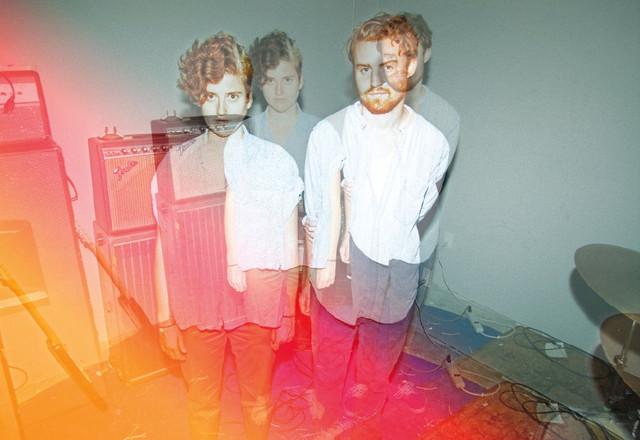
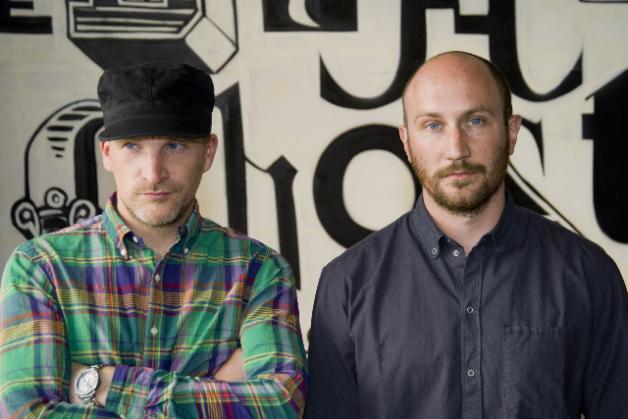
Hurricane Bells’ Spotify BioAfter touring in support of Longwave’s fourth album, Secrets Are Sinister, frontman Steve Schiltz took some time off to record a solo set of songs. The music was mellow, nocturnal, and atmospheric, a far cry from Longwave's steamroller indie rock. Working quickly, Schiltz recorded the material in his basement -- pulling triple duty as composer, musician, and sound engineer -- and prepared to release an album under the moniker Hurricane Bells. Two months before the album’s scheduled release, though, “Monsters” appeared on the platinum-selling soundtrack to New Moon, the second installment of the popular Twilight movie series. The resulting attention transformed Hurricane Bells from a small side project into a genuine buzz band, and Schiltz spent the bulk of 2010 touring behind the group's debut, Tonight Is the Ghost. ~ Andrew Leahey, Rovi
Viberate is a music analytics platform built for A&Rs, artist managers, labels, booking agents, marketers, and artists.
It helps music professionals track artist growth, analyze audience data, monitor playlist activity, compare artists, follow song performance, and identify opportunities across the music market.
Public artist pages provide a free preview of selected artist data. Paid plans provide access to deeper analytics, historical data, charts, comparisons, playlist tools, exports, alerts, reports, and additional professional features.
Yes. Public Viberate artist pages provide selected artist analytics and music data for free.
Viberate also offers a 7-day free trial of the full platform. A credit card is required to start the trial. The trial includes access to the complete product so users can test deeper artist analytics, historical views, playlist insights, comparisons, charts, exports, alerts, and reporting features before choosing a paid plan.
Viberate provides artist analytics across streaming, playlists, social media, video, radio airplay, songs, and audience markets.
Users can analyze Spotify performance, Spotify and Apple Music playlists, YouTube activity, TikTok and Instagram growth, radio spins, song performance, audience locations, demographics, rankings, and overall artist momentum.
Artist profiles also connect to music charts, similar artists, and comparison tools, helping users benchmark performance and evaluate artists in context.
Viberate updates key artist and track data daily.
For followed artists and tracks, selected data is refreshed multiple times per day. This helps teams monitor playlist changes, streaming movement, audience growth, releases, and campaign performance with more current data.
Update frequency can vary depending on the metric and data source.
Yes. Viberate lets users compare up to five artists side by side across streaming, social media, audience, and engagement metrics.
Users can compare fanbase growth, audience demographics, locations, Spotify performance, social metrics, and other artist data over selected time periods.
Artist comparison can be used for A&R scouting, benchmarking, booking decisions, campaign planning, and evaluating artists with similar audiences or market positions.