The Enid

Rock
Progressive Rock
Classical Crossover
 Viberate Rank: 257630
 Viberate Rank: 257630
 Monthly ListenersFollowers
 Subscribers
 Followers
 Followers
 FansTop Spotify SongsTop YouTube VideosMonthly ListenersFeatured in Playlists
| Playlist | Followers | |
|---|---|---|
1 | Best of Progressive Rock Niels N. | 51.41K |
2 |  The Sound of Progressive Rock The Sounds of Spotify | 3.64K |
3 |  Obscure 60s/70s/80s Prog Rock/Psych/Folk/Fusion Masterpieces Christian Feemster | 3.18K |
4 |  Songs to Test Headphones with - audiophile mega mix rwilliamson.family | 2.36K |
5 |  Best of Prog: Top 250 Prog Rock Songs | 2.03K |
Audience| City | Monthly Listeners | |
|---|---|---|
1 | | 91 |
2 |  | 42 |
3 | | 41 |
4 |  | 29 |
5 |  | 28 |
See full performance history, audience data, playlist activity, rankings, comparisons, and more in Viberate music analytics. Start with a free trial, then continue with a paid plan.
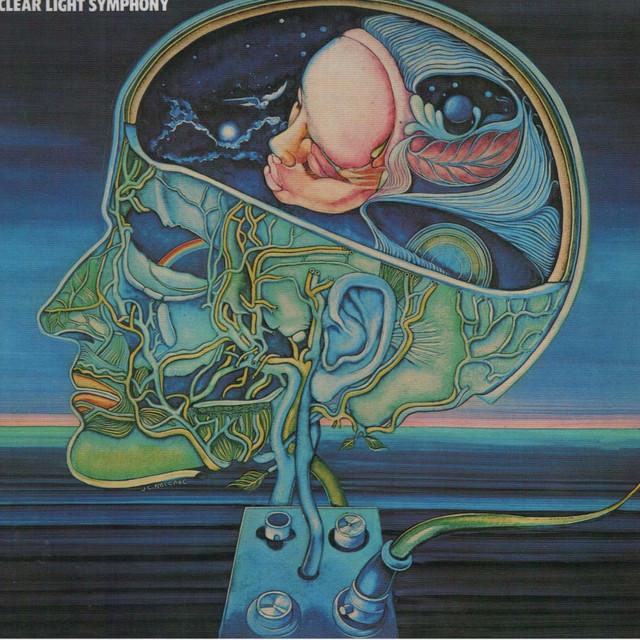
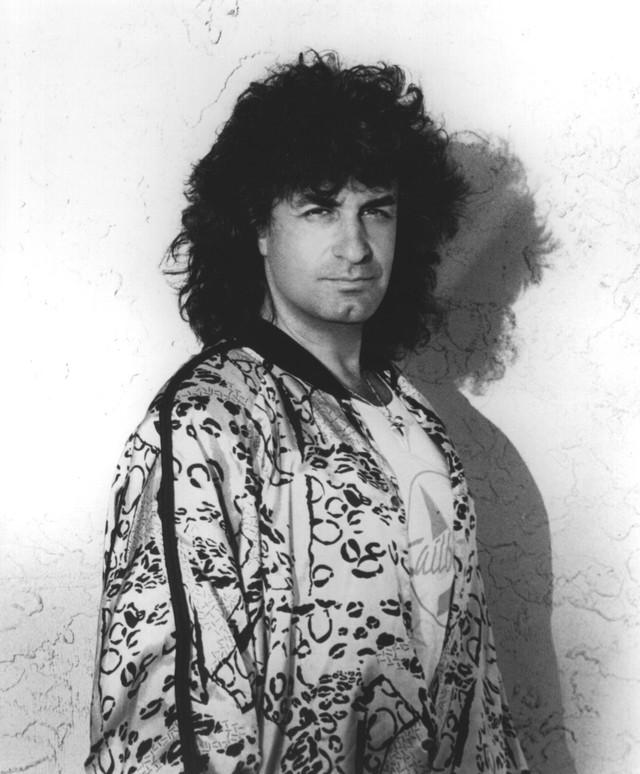
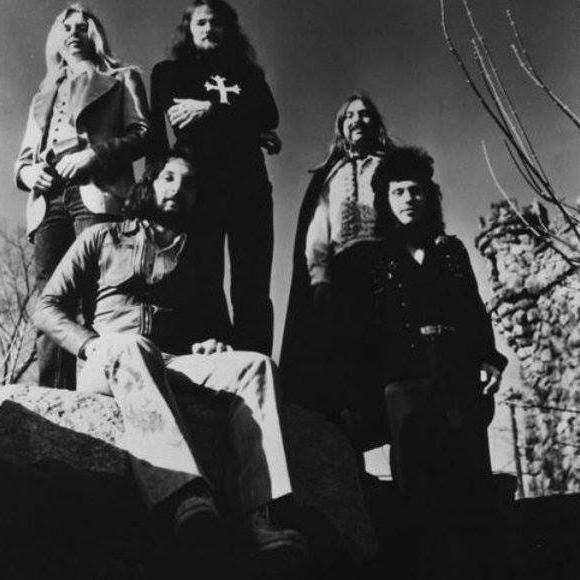
The Enid’s Spotify BioBritish group the Enid were formed in 1974. The founder of the band was Robert John Godfrey (Barclay James Harvest). In forming the group he was joined by Stephen Stewart and Francis Lickerish. They released their first album in 1976. Coming at the heart of the punk rock era, the jazz/progressive rock-ish release (In the Region of the Summer Stars) certainly did not fit into that genre. Two years later the group followed that release with Aerie Faerie Nonsense. In 1979 they released Touch Me and Six Pieces came out the following year. The group, for all intents and purposes, broke up for a time after that album. However, they wound up continuing on as a two-piece, recording Something Wicked This Way Comes in 1983. That same year saw the release of a two-disc live set, Live at Hammersmith. In 1985 the group released The Spell and the following year saw the release of Salome. In 1988 the Enid performed a farewell gig and called it a day. The show was later released as Final Noise.… However, the end was not permanent as the band reformed in 1995. Since then they have released two new albums, Tripping the Light Fantastic and Sundialer. ~ Gary Hill, Rovi
Viberate is a music analytics platform built for A&Rs, artist managers, labels, booking agents, marketers, and artists.
It helps music professionals track artist growth, analyze audience data, monitor playlist activity, compare artists, follow song performance, and identify opportunities across the music market.
Public artist pages provide a free preview of selected artist data. Paid plans provide access to deeper analytics, historical data, charts, comparisons, playlist tools, exports, alerts, reports, and additional professional features.
Yes. Public Viberate artist pages provide selected artist analytics and music data for free.
Viberate also offers a 7-day free trial of the full platform. A credit card is required to start the trial. The trial includes access to the complete product so users can test deeper artist analytics, historical views, playlist insights, comparisons, charts, exports, alerts, and reporting features before choosing a paid plan.
Viberate provides artist analytics across streaming, playlists, social media, video, radio airplay, songs, and audience markets.
Users can analyze Spotify performance, Spotify and Apple Music playlists, YouTube activity, TikTok and Instagram growth, radio spins, song performance, audience locations, demographics, rankings, and overall artist momentum.
Artist profiles also connect to music charts, similar artists, and comparison tools, helping users benchmark performance and evaluate artists in context.
Viberate updates key artist and track data daily.
For followed artists and tracks, selected data is refreshed multiple times per day. This helps teams monitor playlist changes, streaming movement, audience growth, releases, and campaign performance with more current data.
Update frequency can vary depending on the metric and data source.
Yes. Viberate lets users compare up to five artists side by side across streaming, social media, audience, and engagement metrics.
Users can compare fanbase growth, audience demographics, locations, Spotify performance, social metrics, and other artist data over selected time periods.
Artist comparison can be used for A&R scouting, benchmarking, booking decisions, campaign planning, and evaluating artists with similar audiences or market positions.