Greenslade

Rock
Progressive Rock
 Viberate Rank: 178395
 Viberate Rank: 178395
 Monthly ListenersFollowers
 Subscribers
 Followers
 Followers
 FansTop Spotify Songs
| Track | 7-Day Streams | |
|---|---|---|
1 | 974 | |
2 | 522 | |
3 | 467 | |
4 | 368 | |
5 | 322 |
Top YouTube VideosMonthly ListenersFeatured in Playlists| Playlist | Followers | |
|---|---|---|
1 | Best of Progressive Rock Niels N. | 51.41K |
2 |  FENRIZ METAL Gylve | 32.35K |
3 |  Prog Rock Classics SWÖRD BOY | 13.43K |
4 |  Deep Cuts, Forgotten Gems & Classic Rock Gold Rick Kirby - music nerd | 5.63K |
5 | Rock Progresivo Jota Bueno | 4.74K |
Audience| City | Monthly Listeners | |
|---|---|---|
1 | | 125 |
2 |  | 121 |
3 |  | 111 |
4 | | 90 |
5 |  | 83 |
See full performance history, audience data, playlist activity, rankings, comparisons, and more in Viberate music analytics. Start with a free trial, then continue with a paid plan.
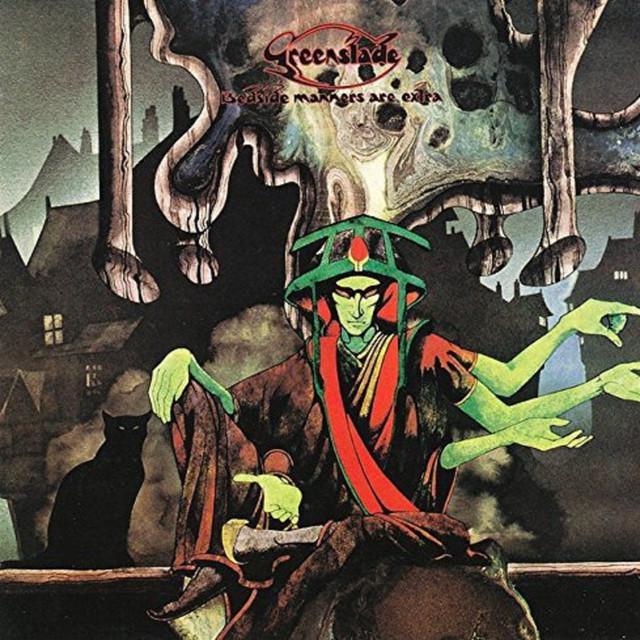
Greenslade’s Spotify BioGreenslade were an English progressive rock band formed in 1972 by keyboardist and composer Dave Greenslade and bassist Tony Reeves from the ashes of Colosseum. Known as much for their Roger Dean-illustrated album covers as their double-keyboard-driven sound (the other played by ex-Episode Six keyboardist Dave Lawson), they issued a handful of original albums for Warner Bros., including their critically acclaimed self-titled debut and Bedside Manners Are Extra in 1973, Spyglass Guest in 1974, and Time and Tide in 1975. Their Mellotron-dominated sound juxtaposed and combined classical, jazz, rock, blues, and symphonic rock in relatively brief compositions that showcased intricate melodies alongside syncopated rhythms and expansive harmonies as well as creative, quirky arrangements. Unlike other progressive acts, Greenslade favored shorter tunes without the long soloing that marked recordings of peers Emerson Lake & Palmer and Yes. In 2000, more than two decades after their split,… Greenslade reunited for the studio effort Large Afternoon, and after a subsequent tour, issued 2002's Live: The Full Edition before splitting permanently.
Dave Greenslade and bassist Tony Reeves (bass) formed Greenslade in 1972 from the ashes of Colosseum. Desiring a two-keyboard band sound, they recruited Lawson, who not only played keys but flute and doubled as lead vocalist. They added ex-King Crimson and Crazy World of Arthur Brown drummer Andrew McCulloch before issuing their acclaimed self-titled album in 1973. Two more albums followed that calendar year, including their classic Bedside Manners Are Extra. By the time they recorded a third album, Spyglass Guest, they had added Dave Clempson (Humble Pie) on guitar and Graham Smith on violin. The next year, Reeves left the band and was replaced by Martin Briley. After releasing Time and Tide in 1975, they broke up in early 1976 when Greenslade started a solo career.
In 1977 he attempted assembling a different lineup to pick up where the band had left off, but it didn't amount to anything. Greenslade joined the re-formed Colosseum (that lasted in one version or another until 2015). In 2000, he reunited Greenslade with Reeves, second keyboardist/vocalist John Young, and drummer/producer Chris Cozens, and began another journey through their unique style of progressive rock, culminating in the release of Large Afternoon and a compilation of live recordings from the band's early days. Drummer John Trotter replaced Cozens for Live 2001: The Full Edition (released in 2004), consisting of vintage and new material. The outfit split again in 2002. While their studio albums were reissued by a number of labels, the only "new" recordings to emerge were archival concert dates including Live in Stockholm: March 10th, 1975 in 2004 and 2016's The Birthday Album: Live Switzerland, 1974.
In 2018, England's prestigious Esoteric label, globally renowned for their lovingly rendered reissue treatment of prog rock classics, offered deluxe, remastered versions of the band's '70s albums with an abundance of bonus material. Three years later, the label released Temple Songs: The Albums 1973-1975. It packaged the four painstakingly remastered reissues -- sans bonus material -- in a handsomely illustrated box with a poster and an exhaustive historical essay from rock journalist/historian Malcolm Dome. The same year, Japan's Wasabi label released a five-disc box of concert recordings titled Live Manners 1973-2001. ~ Thom Jurek, Rovi
Viberate is a music analytics platform built for A&Rs, artist managers, labels, booking agents, marketers, and artists.
It helps music professionals track artist growth, analyze audience data, monitor playlist activity, compare artists, follow song performance, and identify opportunities across the music market.
Public artist pages provide a free preview of selected artist data. Paid plans provide access to deeper analytics, historical data, charts, comparisons, playlist tools, exports, alerts, reports, and additional professional features.
Yes. Public Viberate artist pages provide selected artist analytics and music data for free.
Viberate also offers a 7-day free trial of the full platform. A credit card is required to start the trial. The trial includes access to the complete product so users can test deeper artist analytics, historical views, playlist insights, comparisons, charts, exports, alerts, and reporting features before choosing a paid plan.
Viberate provides artist analytics across streaming, playlists, social media, video, radio airplay, songs, and audience markets.
Users can analyze Spotify performance, Spotify and Apple Music playlists, YouTube activity, TikTok and Instagram growth, radio spins, song performance, audience locations, demographics, rankings, and overall artist momentum.
Artist profiles also connect to music charts, similar artists, and comparison tools, helping users benchmark performance and evaluate artists in context.
Viberate updates key artist and track data daily.
For followed artists and tracks, selected data is refreshed multiple times per day. This helps teams monitor playlist changes, streaming movement, audience growth, releases, and campaign performance with more current data.
Update frequency can vary depending on the metric and data source.
Yes. Viberate lets users compare up to five artists side by side across streaming, social media, audience, and engagement metrics.
Users can compare fanbase growth, audience demographics, locations, Spotify performance, social metrics, and other artist data over selected time periods.
Artist comparison can be used for A&R scouting, benchmarking, booking decisions, campaign planning, and evaluating artists with similar audiences or market positions.