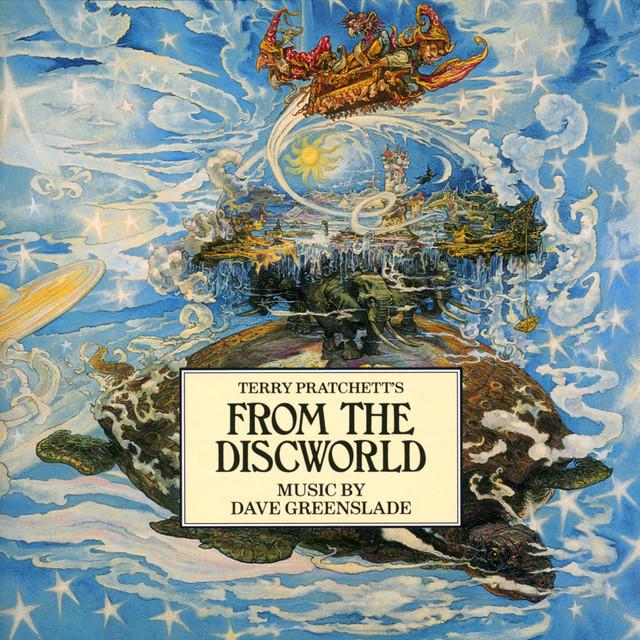
Dave Greenslade

Rock
Progressive Rock
 Viberate Rank: 552470
 Viberate Rank: 552470
 Monthly ListenersFollowers
 Subscribers
 Followers
 Followers
 FansTop Spotify Songs
| Track | 7-Day Streams | |
|---|---|---|
1 | 66 | |
2 | 36 | |
3 | 35 | |
4 | 34 | |
5 | 30 |
Top YouTube VideosMonthly ListenersFeatured in Playlists| Playlist | Followers | |
|---|---|---|
1 |  Bard Songs & Tavern Music Green Monster Records | 10.27K |
2 |  Terminal Passage Matt O'Brien | 1.72K |
3 |  This Is Colosseum Spotify | 1.25K |
4 |  The best of Progressive Rock José Do Carmo Cunha | 1.00K |
Audience| City | Monthly Listeners | |
|---|---|---|
1 |  | 14 |
2 | | 10 |
3 |  | 9 |
4 |  | 8 |
5 | | 8 |
See full performance history, audience data, playlist activity, rankings, comparisons, and more in Viberate music analytics. Start with a free trial, then continue with a paid plan.
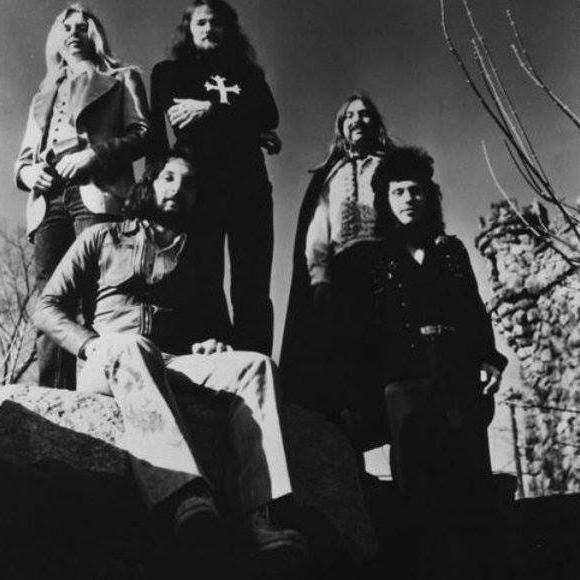
Dave Greenslade’s Spotify BioGreenslade first came to attention as the keyboards player for the jazz-blues-rock fusion outfit Colosseum, for whom he composed the epic "Valentyne Suite," a 17-minute, multi-section production that became the centerpiece of the album of the same name. Colosseum would eventually founder on the various ambitions of its members, finally drifting apart in 1971. Greenslade spent the next two years playing sessions and putting together a band that was notable for the fact that it performed progressive rock music without the benefit of a guitarist; the lineup included second keyboardist Dave Lawson, drummer Andy McCullough and Colosseum bandmate Tony Reeves on bass. This lineup released Greenslade and Bedside Manners Are Extra via Warner Bros. The third album, Spyglass Guest, broke the pattern, with guitarists Andy Roberts and Dave "Clem" Clempson (another former bandmate) delivering some six-string action. By the time the final Greenslade album arrived, Martin Briley had taken over for… Tony Reeves. In 1975, the band was finished.
The following year Greenslade would release the charming Cactus Choir under his full name. In 1979, he composed and released the ambitious Pentateuch of the Cosmogony (often seen just as Pentateuch; the CD edition trims a couple minutes of music but preserve the artwork). This double LP was created in association with artist Patrick Woodroffe, whose fantasy artwork inspired Greenslade's music, which was performed on Greenslade's ever-expanding arsenal of electronic keyboards. Greenslade virtually vanished from sight in the following years, becoming, as his friend Terry Pratchett (author of the Discworld novels) proclaimed, the man every TV producer in England would call when a new TV theme was needed (which may be news to the ever-prolific Barrington Phelung). The association with Pratchett, however, was the thing that brought Greenslade back out into the open, with the 1994 release of From the Discworld, an album of music inspired by Pratchett's humorous fantasy novels. Since 1994, all has once again been quiet on the Greenslade front. ~ Steven McDonald, Rovi
Viberate is a music analytics platform built for A&Rs, artist managers, labels, booking agents, marketers, and artists.
It helps music professionals track artist growth, analyze audience data, monitor playlist activity, compare artists, follow song performance, and identify opportunities across the music market.
Public artist pages provide a free preview of selected artist data. Paid plans provide access to deeper analytics, historical data, charts, comparisons, playlist tools, exports, alerts, reports, and additional professional features.
Yes. Public Viberate artist pages provide selected artist analytics and music data for free.
Viberate also offers a 7-day free trial of the full platform. A credit card is required to start the trial. The trial includes access to the complete product so users can test deeper artist analytics, historical views, playlist insights, comparisons, charts, exports, alerts, and reporting features before choosing a paid plan.
Viberate provides artist analytics across streaming, playlists, social media, video, radio airplay, songs, and audience markets.
Users can analyze Spotify performance, Spotify and Apple Music playlists, YouTube activity, TikTok and Instagram growth, radio spins, song performance, audience locations, demographics, rankings, and overall artist momentum.
Artist profiles also connect to music charts, similar artists, and comparison tools, helping users benchmark performance and evaluate artists in context.
Viberate updates key artist and track data daily.
For followed artists and tracks, selected data is refreshed multiple times per day. This helps teams monitor playlist changes, streaming movement, audience growth, releases, and campaign performance with more current data.
Update frequency can vary depending on the metric and data source.
Yes. Viberate lets users compare up to five artists side by side across streaming, social media, audience, and engagement metrics.
Users can compare fanbase growth, audience demographics, locations, Spotify performance, social metrics, and other artist data over selected time periods.
Artist comparison can be used for A&R scouting, benchmarking, booking decisions, campaign planning, and evaluating artists with similar audiences or market positions.