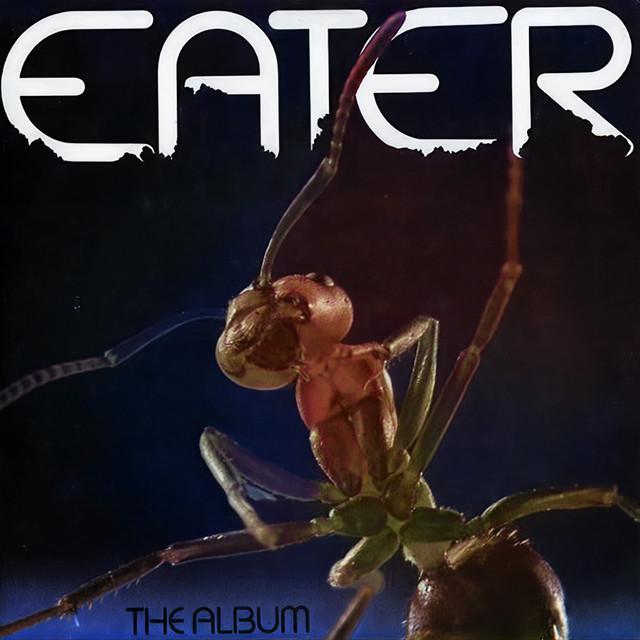
Eater

Punk
Punk Rock
Garage Rock
 Viberate Rank: 236200
 Viberate Rank: 236200
 Monthly ListenersFollowers
 Subscribers
 Followers
 Followers
 FansTop Spotify Songs
| Track | 7-Day Streams | |
|---|---|---|
1 | 13.27K | |
2 | 1.27K | |
3 | 1.12K | |
4 | 962 | |
5 | 962 |
Top YouTube VideosMonthly ListenersFeatured in Playlists| Playlist | Followers | |
|---|---|---|
1 |  Punk Classics Filtr Legacy Sweden | 73.27K |
2 |  The Evolution of Punk (In Chronological Order) kingfirley | 16.18K |
3 |  Guy Ritchie | Soundtracks Jérémy V. | 8.72K |
4 |  Essential // Punk Essential // Music | 8.68K |
5 |  No Dogs In Space: Season One Playlist Last Podcast Network | 5.39K |
Audience| City | Monthly Listeners | |
|---|---|---|
1 | | 139 |
2 |  | 125 |
3 |  | 73 |
4 | | 72 |
5 |  | 68 |
See full performance history, audience data, playlist activity, rankings, comparisons, and more in Viberate music analytics. Start with a free trial, then continue with a paid plan.
Eater’s Spotify BioOne of the first British punk bands, much of Eater's notoriety stemmed from their tender ages. These have been variously reported as anywhere between 13 and 17, with drummer Dee Generate (usually said to be 13 or 14 when the band formed) probably the youngest first-generation punk of all. At any rate, the London group recorded some singles, an EP, and an album (called, in a gimmick Public Image Ltd. would pick up years later, The Album), all released on The Label. Playing stripped-down power-chord bile anthems in the mold of the Buzzcocks and (more distantly) the early Jam, Eater weren't nearly as talented or diverse as those early punk pioneers. But they did manage some spirited, if typical and rather generic, early punk that isn't as dispensable as some reference books would lead you to believe. Eater had imploded by the late '70s. Dee Generate's replacement, Phil Rowland, joined Slaughter and the Dogs, and singer Andy Blade recorded a single with ex-Damned guitarist Brian James in… the mid-'80s, but that was basically it for the members of the band. ~ Richie Unterberger, Rovi
Viberate is a music analytics platform built for A&Rs, artist managers, labels, booking agents, marketers, and artists.
It helps music professionals track artist growth, analyze audience data, monitor playlist activity, compare artists, follow song performance, and identify opportunities across the music market.
Public artist pages provide a free preview of selected artist data. Paid plans provide access to deeper analytics, historical data, charts, comparisons, playlist tools, exports, alerts, reports, and additional professional features.
Yes. Public Viberate artist pages provide selected artist analytics and music data for free.
Viberate also offers a 7-day free trial of the full platform. A credit card is required to start the trial. The trial includes access to the complete product so users can test deeper artist analytics, historical views, playlist insights, comparisons, charts, exports, alerts, and reporting features before choosing a paid plan.
Viberate provides artist analytics across streaming, playlists, social media, video, radio airplay, songs, and audience markets.
Users can analyze Spotify performance, Spotify and Apple Music playlists, YouTube activity, TikTok and Instagram growth, radio spins, song performance, audience locations, demographics, rankings, and overall artist momentum.
Artist profiles also connect to music charts, similar artists, and comparison tools, helping users benchmark performance and evaluate artists in context.
Viberate updates key artist and track data daily.
For followed artists and tracks, selected data is refreshed multiple times per day. This helps teams monitor playlist changes, streaming movement, audience growth, releases, and campaign performance with more current data.
Update frequency can vary depending on the metric and data source.
Yes. Viberate lets users compare up to five artists side by side across streaming, social media, audience, and engagement metrics.
Users can compare fanbase growth, audience demographics, locations, Spotify performance, social metrics, and other artist data over selected time periods.
Artist comparison can be used for A&R scouting, benchmarking, booking decisions, campaign planning, and evaluating artists with similar audiences or market positions.