The Darling Buds

Pop
Indie Pop
Indie Rock
 Viberate Rank: 201534
 Viberate Rank: 201534
 Monthly ListenersFollowers
 Subscribers
 Followers
 Followers
 FansTop Spotify Songs
| Track | 7-Day Streams | |
|---|---|---|
1 | 473 | |
2 | 431 | |
3 | 428 | |
4 | 392 | |
5 | 374 |
Top YouTube VideosMonthly ListenersFeatured in Playlists| Playlist | Followers | |
|---|---|---|
1 |  Kids Pop - Clean Classroom Music Topsify | 15.94K |
2 | 120 Minutes full Archive frankspin | 7.87K |
3 |  NME C86, C87, C88, C89, C90 & C91: Indie Cassette Classics Cherry Red Records | 7.72K |
4 |  John Peel Festive 50s Anders Björk | 5.74K |
5 | 𝒜lternative 𝟫𝟢's Rutger Meijerink | 5.43K |
Audience| City | Monthly Listeners | |
|---|---|---|
1 | | 241 |
2 | | 105 |
3 |  | 93 |
4 | | 71 |
5 |  | 61 |
See full performance history, audience data, playlist activity, rankings, comparisons, and more in Viberate music analytics. Start with a free trial, then continue with a paid plan.
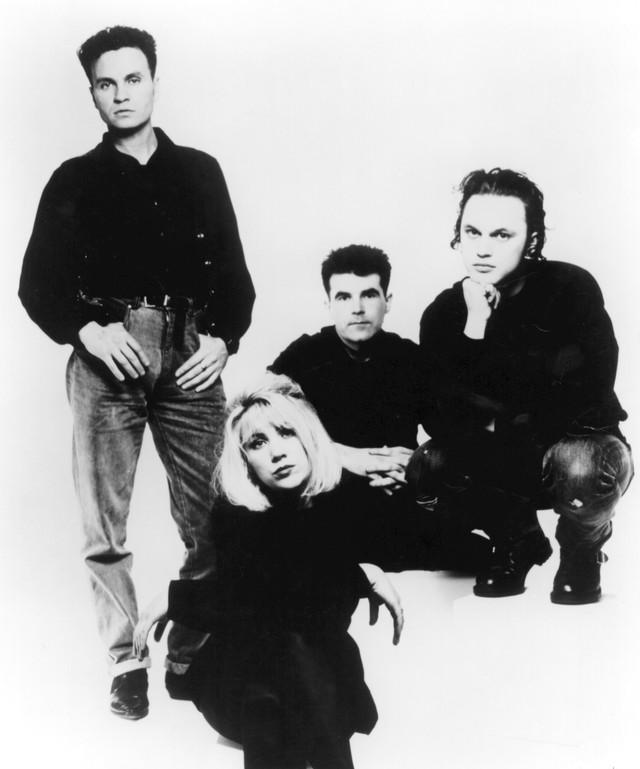
The Darling Buds’ Spotify BioThe Darling Buds' ebullient songs, packed with bright melodies, frank lyrics, and cutting guitars, helped form the bridge from C-86 to Brit-pop, and continue to be celebrated with the band's occasional activity. The Welsh group made their recorded debut a year after NME's 1986 cassette snapshot of the British indie scene, and soon placed "It's All Up to You" and "Shame on You" in the Top Five of the U.K. independent chart. Signed to major-label Epic (and Sony-distributed Columbia in the U.S.), their driving first album, Pop Said... (1989), produced a Top 40 pop hit with "Hit the Ground" and peaked higher yet on the U.K. album chart. Swift follow-up Crawdaddy (1990) incorporated dance rhythms without stifling the band's pop instincts and appealed to the States with "Crystal Clear" and "It Makes No Difference" both cracking Billboard's alternative chart. The Darling Buds bowed out with Erotica (1992), a dreamier set that preceded Madonna's like-titled album by weeks and Brit-pop's… emergence by a year. Frontwoman and songwriter Andrea Lewis re-formed the band with past members in 2010. They've since recorded the Evergreen EP (2017), four songs true to their past but fresh in sound.
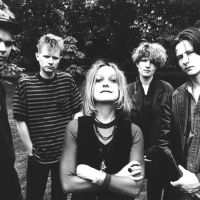
Singer Andrea Lewis, guitarist and fellow songwriter Geraint Farr (aka Harley), and bassist Simon (just Simon) formed the Darling Buds in Newport, Wales. Taking their name from the H.E. Bates novella The Darling Buds of May, the trio started with a drum machine in 1986. Farr was previously a member of the Party, with whom Lewis had recorded, though the band didn't release anything. The Darling Buds built a local following, basing themselves out of the venue TJ's with the intent to simply enjoy themselves with no boundary between the audience. The band shopped a demo assisted by Mekons Jon Langford and Robert Worby, but in early 1987 opted to self-release their debut single, "If I Said" b/w "Just to Be Seen." The B-side in particular was strongly supported by John Peel. Two Darling Buds sessions for the DJ's BBC program were recorded and transmitted before the end of the year. Richard Gray (aka Bloss) was installed as drummer before the first session. Between the dates, Chris McDonagh replaced Simon for the long term.
The Sheffield-based Native label issued the Darling Buds' next two singles in 1988. "It's All Up to You" and "Shame on You," both of which had been previewed by the Peel sessions, were hits on the independent chart, peaking respectively at numbers four and five. The latter placed on Peel's annual Festive Fifty. A final Peel session and a deal with Epic followed, and the band capitalized on the momentum in 1989 with Pop Said..., made with ex-Vibrator and veteran producer Pat Collier (the Soft Boys, Katrina and the Waves, Primal Scream), their partner on the Native material. A number 27 pop hit with "Hit the Ground" and a Top of the Pops appearance pushed the band's first album to number 23 on the U.K. album chart. Richard Gray, who had relinquished his studio role to a drum machine for Pop Said..., subsequently departed. Jimmy Hughes, formerly of Black and Up and Running, filled the vacancy before the Darling Buds made their 1990 follow-up. Working with Stephen Street, the band quickly delivered Crawdaddy, opening up their sound with gentle ballads like "You Won't Make Me Die" and "So Close," along with dance-oriented singles "Tiny Machine" (number 60 U.K. pop), "Crystal Clear" (number 85 U.K. pop; number five U.S. alternative), and "It Makes No Difference" (number 13 U.S. alternative).
Work on the Darling Buds' third album began in New York with separate demo sessions produced by Peter Holsapple (of the dB's) and Don Fleming (of B.A.L.L.), but the band returned to the U.K. and reconnected with Stephen Street. Erotica featured input from two second guitarists: Paul Watkins (aka Chaz), who had joined during the tour promoting Crawdaddy, also co-wrote a handful of songs with Lewis, Farr, and McDonagh; Matt Gray replaced him before the new album was finished. Released in 1992, the moodier and more atmospheric Erotica yielded the charting singles "Sure Thing" (number 71 U.K. pop) and "Please Yourself" (number 22 U.S. alternative), the latter co-written by former Rezillos and Human League member Jo Callis. Following the recording of Erotica B-sides with drummer Jon Lee filling in for Jimmy Hughes, the album's "Long Day in the Universe" landed on the soundtrack of So I Married an Axe Murderer. The band then moved to Los Angeles, added Bostonian drummer Dennis McCarthy, and cut some demos with E Street Band keyboardist Roy Bittan as producer. Early into their West Coast stint, however, the Darling Buds lost label support, and ultimately split up.
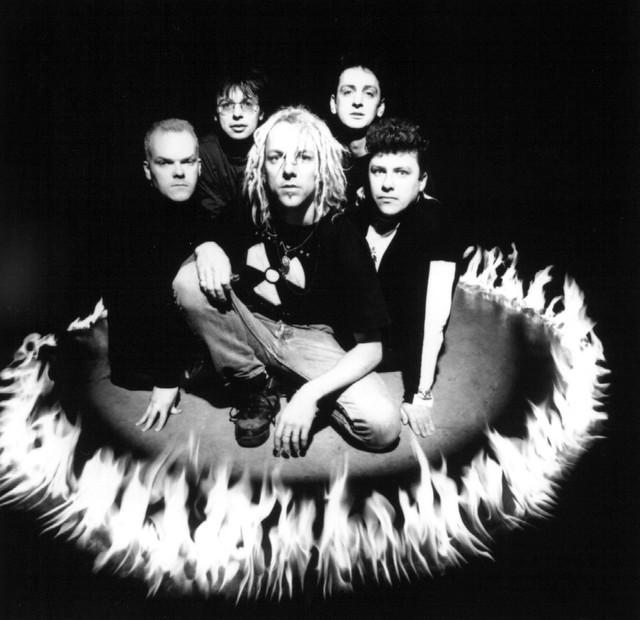
In 2010, asked to perform at a concert in tribute to late TJ's owner and friend John Sicolo, the Darling Buds re-formed with a lineup consisting of Lewis (now Andrea Lewis Jarvis), McDonagh, Watkins, Matt Gray, and drummer Erik Stams. This quintet recorded Evergreen, an EP released in 2017 on the Odd Box label. Dave Corten replaced McDonagh the following year. The band continued performing well into the next decade, including dates around the 2023 release of their comprehensive Cherry Red boxed set Killing for Love: Albums, Singles, Rarities, Unreleased 1987-2017. ~ Andy Kellman, Rovi
Viberate is a music analytics platform built for A&Rs, artist managers, labels, booking agents, marketers, and artists.
It helps music professionals track artist growth, analyze audience data, monitor playlist activity, compare artists, follow song performance, and identify opportunities across the music market.
Public artist pages provide a free preview of selected artist data. Paid plans provide access to deeper analytics, historical data, charts, comparisons, playlist tools, exports, alerts, reports, and additional professional features.
Yes. Public Viberate artist pages provide selected artist analytics and music data for free.
Viberate also offers a 7-day free trial of the full platform. A credit card is required to start the trial. The trial includes access to the complete product so users can test deeper artist analytics, historical views, playlist insights, comparisons, charts, exports, alerts, and reporting features before choosing a paid plan.
Viberate provides artist analytics across streaming, playlists, social media, video, radio airplay, songs, and audience markets.
Users can analyze Spotify performance, Spotify and Apple Music playlists, YouTube activity, TikTok and Instagram growth, radio spins, song performance, audience locations, demographics, rankings, and overall artist momentum.
Artist profiles also connect to music charts, similar artists, and comparison tools, helping users benchmark performance and evaluate artists in context.
Viberate updates key artist and track data daily.
For followed artists and tracks, selected data is refreshed multiple times per day. This helps teams monitor playlist changes, streaming movement, audience growth, releases, and campaign performance with more current data.
Update frequency can vary depending on the metric and data source.
Yes. Viberate lets users compare up to five artists side by side across streaming, social media, audience, and engagement metrics.
Users can compare fanbase growth, audience demographics, locations, Spotify performance, social metrics, and other artist data over selected time periods.
Artist comparison can be used for A&R scouting, benchmarking, booking decisions, campaign planning, and evaluating artists with similar audiences or market positions.