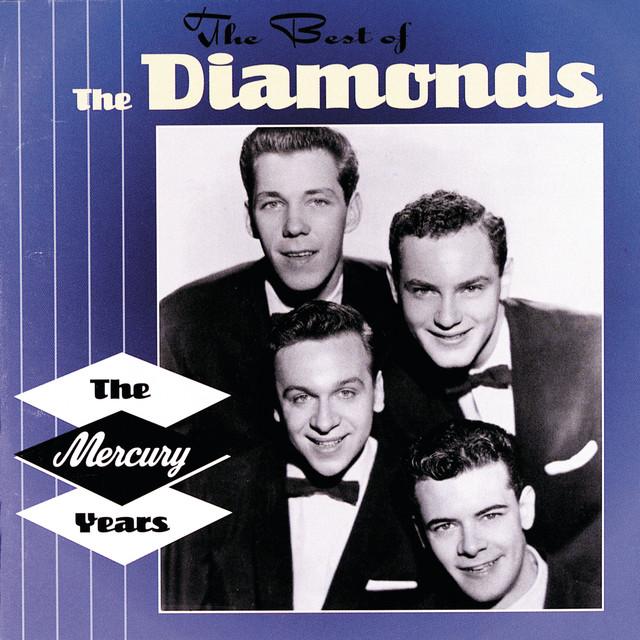
The Diamonds

Pop
Mainstream Pop
Soul
 Viberate Rank: 54191
 Viberate Rank: 54191
 Monthly ListenersFollowers
 Subscribers
 Followers
 Followers
 FansTop Spotify Songs
| Track | 7-Day Streams | |
|---|---|---|
1 | 111.90K | |
2 | 12.79K | |
3 | 12.79K | |
4 | 12.79K | |
5 | 11.72K |
Top YouTube Videos| Video | 7-Day Views | |
|---|---|---|
1 | 19.76K | |
2 | 6.73K | |
3 | 2.72K | |
4 | 1.89K | |
5 | 686 |
Monthly ListenersFeatured in Playlists| Playlist | Followers | |
|---|---|---|
1 |  All Out 50s Spotify | 1.89M |
2 |  50s Party Spotify | 313.80K |
3 |  I Love The 80's M&S MUSIC | 141.17K |
4 | The 50s & 60s - Golden Oldies Pablo Reque | 91.73K |
5 |  The 50s & 60s - Golden Oldies John Peter Furst | 60.20K |
Audience| City | Monthly Listeners | |
|---|---|---|
1 |  | 5.30K |
2 |  | 4.39K |
3 | | 3.34K |
4 |  | 2.99K |
5 |  | 2.95K |
See full performance history, audience data, playlist activity, rankings, comparisons, and more in Viberate music analytics. Start with a free trial, then continue with a paid plan.
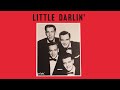
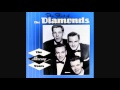
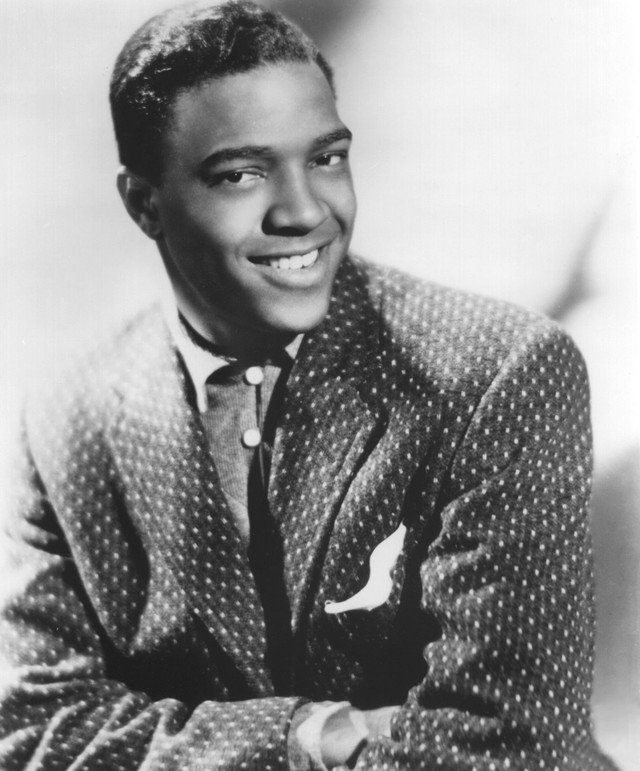
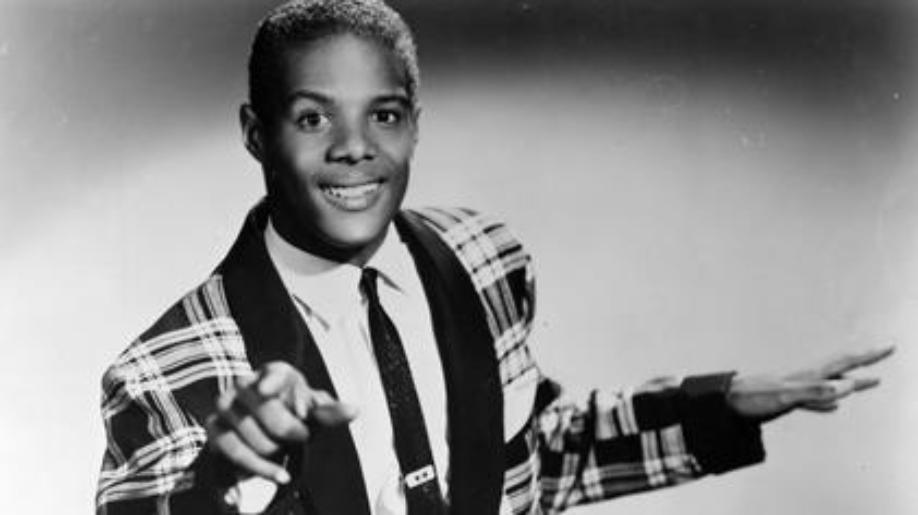
The Diamonds’ Spotify BioOne of the leading cover groups of the mid-'50s, the Diamonds adapted current R&B hits into pop gold of their own. Hailing from Toronto, the Canadian quartet (consisting of Ted Kowalski, Phil Leavitt, Bill Reed, and Dave Somerville) signed with Mercury in 1955 and immediately zoomed up pop play lists with covers of the Teenagers' "Why Do Fools Fall in Love"; the Willows' "Church Bells May Ring"; and their biggest hit of all, a sanitized version of the Gladiolas hit "Little Darlin'." Fronted by David Somerville, the quartet hit with an original, the smooth dance outing "The Stroll." After weathering major personnel changes, the Diamonds notched their last hit in 1961. Somerville remained active as a solo artist for a time, and the Diamonds often toured the oldies scene. ~ Bill Dahl, Rovi
Viberate is a music analytics platform built for A&Rs, artist managers, labels, booking agents, marketers, and artists.
It helps music professionals track artist growth, analyze audience data, monitor playlist activity, compare artists, follow song performance, and identify opportunities across the music market.
Public artist pages provide a free preview of selected artist data. Paid plans provide access to deeper analytics, historical data, charts, comparisons, playlist tools, exports, alerts, reports, and additional professional features.
Yes. Public Viberate artist pages provide selected artist analytics and music data for free.
Viberate also offers a 7-day free trial of the full platform. A credit card is required to start the trial. The trial includes access to the complete product so users can test deeper artist analytics, historical views, playlist insights, comparisons, charts, exports, alerts, and reporting features before choosing a paid plan.
Viberate provides artist analytics across streaming, playlists, social media, video, radio airplay, songs, and audience markets.
Users can analyze Spotify performance, Spotify and Apple Music playlists, YouTube activity, TikTok and Instagram growth, radio spins, song performance, audience locations, demographics, rankings, and overall artist momentum.
Artist profiles also connect to music charts, similar artists, and comparison tools, helping users benchmark performance and evaluate artists in context.
Viberate updates key artist and track data daily.
For followed artists and tracks, selected data is refreshed multiple times per day. This helps teams monitor playlist changes, streaming movement, audience growth, releases, and campaign performance with more current data.
Update frequency can vary depending on the metric and data source.
Yes. Viberate lets users compare up to five artists side by side across streaming, social media, audience, and engagement metrics.
Users can compare fanbase growth, audience demographics, locations, Spotify performance, social metrics, and other artist data over selected time periods.
Artist comparison can be used for A&R scouting, benchmarking, booking decisions, campaign planning, and evaluating artists with similar audiences or market positions.