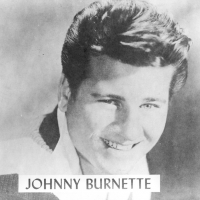
Johnny Burnette

Rock
Rockabilly
Soul
 Viberate Rank: 60629
 Viberate Rank: 60629
 Monthly ListenersFollowers
 Subscribers
 Followers
 Followers
 FansTop Spotify Songs
| Track | 7-Day Streams | |
|---|---|---|
1 | 44.64K | |
2 | 38.08K | |
3 | 12.33K | |
4 | 12.33K | |
5 | 12.33K |
Top YouTube VideosMonthly ListenersFeatured in Playlists| Playlist | Followers | |
|---|---|---|
1 |  Rockabilly Mania Spotify | 547.22K |
2 |  60s Party Spotify | 344.29K |
3 | Golden Oldies 50's & 60's - Best of 50s/60s. EN Greatest hits - Grandes éxitos de los años 50 y 60. Leticia-Recopilatorios | 198.94K |
4 |  Rockabilly Spotify | 133.32K |
5 | Wasteland Radio Expanded Neale Christopher Zeringue | 76.98K |
Audience| City | Monthly Listeners | |
|---|---|---|
1 |  | 3.78K |
2 | | 3.25K |
3 | | 2.65K |
4 |  | 2.46K |
5 |  | 2.21K |
See full performance history, audience data, playlist activity, rankings, comparisons, and more in Viberate music analytics. Start with a free trial, then continue with a paid plan.
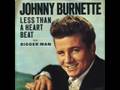
Johnny Burnette’s Spotify BioA contemporary of Elvis Presley in the Memphis scene of the mid-'50s, Johnny Burnette played a similar brand of fiery, spare wildman rockabilly. With his brother Dorsey (on bass) and guitarist Paul Burlison forming his Rock 'n' Roll Trio, he recorded a clutch of singles for Decca in 1956 and 1957 that achieved nothing more than regional success. Featuring the groundbreaking fuzzy tone of Burlison's guitar, Johnny's energetic vocals, and Dorsey's slapping bass, these recordings -- highlighted by the first rock & roll version of "Train Kept A-Rollin'" -- compare well to the classic Sun rockabilly of the same era. The trio disbanded in 1957, and Johnny found pop success as a teen idol in the early '60s with hits like "You're Sixteen" and "Dreamin'." Burnette died in a boating accident in 1964. His brother Dorsey achieved modest success as a solo act in the early '60s, and Burlison resurfaced as a member of the Sun Rhythm Section. ~ Richie Unterberger, Rovi
Viberate is a music analytics platform built for A&Rs, artist managers, labels, booking agents, marketers, and artists.
It helps music professionals track artist growth, analyze audience data, monitor playlist activity, compare artists, follow song performance, and identify opportunities across the music market.
Public artist pages provide a free preview of selected artist data. Paid plans provide access to deeper analytics, historical data, charts, comparisons, playlist tools, exports, alerts, reports, and additional professional features.
Yes. Public Viberate artist pages provide selected artist analytics and music data for free.
Viberate also offers a 7-day free trial of the full platform. A credit card is required to start the trial. The trial includes access to the complete product so users can test deeper artist analytics, historical views, playlist insights, comparisons, charts, exports, alerts, and reporting features before choosing a paid plan.
Viberate provides artist analytics across streaming, playlists, social media, video, radio airplay, songs, and audience markets.
Users can analyze Spotify performance, Spotify and Apple Music playlists, YouTube activity, TikTok and Instagram growth, radio spins, song performance, audience locations, demographics, rankings, and overall artist momentum.
Artist profiles also connect to music charts, similar artists, and comparison tools, helping users benchmark performance and evaluate artists in context.
Viberate updates key artist and track data daily.
For followed artists and tracks, selected data is refreshed multiple times per day. This helps teams monitor playlist changes, streaming movement, audience growth, releases, and campaign performance with more current data.
Update frequency can vary depending on the metric and data source.
Yes. Viberate lets users compare up to five artists side by side across streaming, social media, audience, and engagement metrics.
Users can compare fanbase growth, audience demographics, locations, Spotify performance, social metrics, and other artist data over selected time periods.
Artist comparison can be used for A&R scouting, benchmarking, booking decisions, campaign planning, and evaluating artists with similar audiences or market positions.