The Dead 60s

Punk
Punk Rock
Ska Punk
Indie Rock
 Viberate Rank: 161880
 Viberate Rank: 161880
 Monthly ListenersFollowers
 Subscribers
 Followers
 Followers
 FansTop Spotify Songs
| Track | 7-Day Streams | |
|---|---|---|
1 | 11.90K | |
2 | 1.08K | |
3 | 467 | |
4 | 388 | |
5 | 336 |
Top YouTube VideosMonthly ListenersFeatured in Playlists| Playlist | Followers | |
|---|---|---|
1 |  The OC Soundtrack [All Seasons Playlist] Solitude Collective | 138.10K |
2 | Indie Sleaze Bangers Yolanda Carmen Perez | 79.60K |
3 |  Made in Liverpool Spotify | 64.92K |
4 |  Indie/rock and absolute bangers Zodac | 44.05K |
5 |  The OC Jamie Barmakian | 39.82K |
Audience| City | Monthly Listeners | |
|---|---|---|
1 |  | 1.26K |
2 | | 590 |
3 |  | 393 |
4 |  | 348 |
5 | | 322 |
See full performance history, audience data, playlist activity, rankings, comparisons, and more in Viberate music analytics. Start with a free trial, then continue with a paid plan.
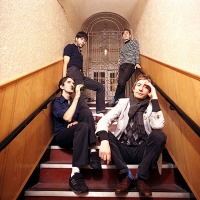
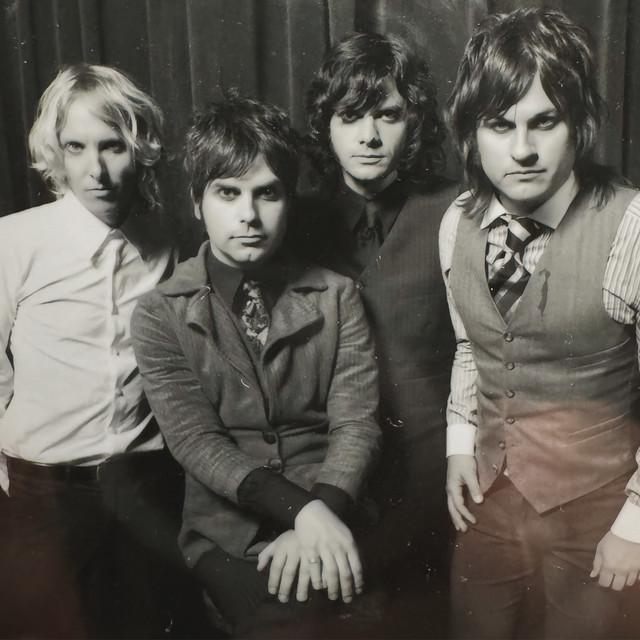
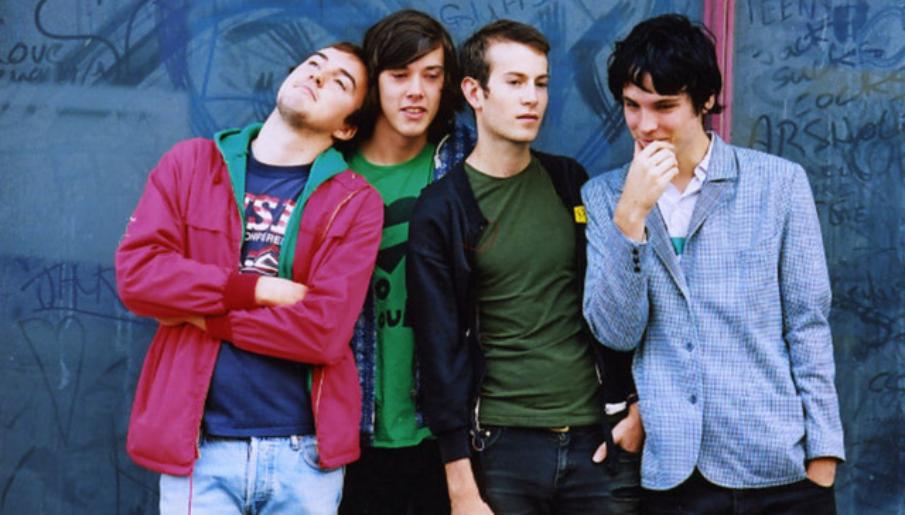
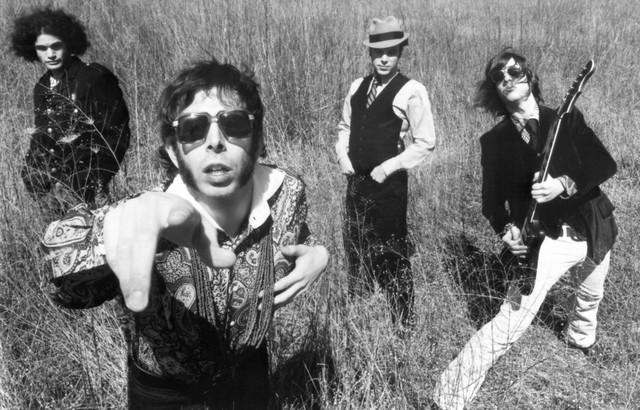
The Dead 60s’ Spotify BioThe Dead 60s hailed from Liverpool, England. The combo was led by vocalist and guitarist Matt McManamon and featured guitarist/keyboardist Ben Gordon, bassist Charlie Turner, and drummer Bryan Johnson. Forming in their teens, they went by the name Pinhole for a number of years, releasing a couple of singles and recording a session for John Peel before dissolving. In 2003 the combo re-emerged as the Dead 60s, perfecting a patchwork of post-punk, dub, and ska influences, with touchstones like the Clash, the Specials, and dub legend Lee "Scratch" Perry. By 2004, the Dead 60s had signed with local imprint Deltasonic, home to U.K. indie sensations like the Coral and the Zutons. The insistent, boppy "Riot Radio" single appeared in October of that year, the dub-inflected "Last Resort" followed in March 2005, and a self-titled full-length mixed by the legendary Mike Hedges dropped later that summer. By that point, the Dead 60s had enjoyed plenty of positive press, as well as high-profile gigs… with the likes of Morrissey, Social Distortion, and Weezer. They also headed out to woo the U.S. with dates on the Warped Tour and at Lollapalooza. "Riot Radio" became a hit on U.S. alternative rock radio and was used in the soundtrack of the film Nick & Norah's Infinite Playlist.
Decamping to New York in 2007, the band began work on their second album, Time to Take Sides. The album in the can, they spent the rest of the year working on other projects, curating a compilation of their favorite reggae tracks, Riot Radio Broadcast, for Trojan Records, and even releasing their own limited edition tartan Harrington jacket in collaboration with fashion label Fred Perry. On February 8, 2008, the Dead 60s issued a press release via their website announcing their disbandment, claiming they felt the band had run its course. Time to Take Sides saw release in a number of territories including France and Japan, but remained unissued in either the U.K. or the U.S. despite high praise from fans. Turner and Johnson later worked with James McCartney on his first two EPs. Together with Gordon, they backed the Specials' Terry Hall in his 2008 comeback solo gig at London's 100 Club, while McManamon joined the Specials as touring guitarist. Johnson went on to drum for Cold Specks. ~ Johnny Loftus & John D. Buchanan, Rovi
Viberate is a music analytics platform built for A&Rs, artist managers, labels, booking agents, marketers, and artists.
It helps music professionals track artist growth, analyze audience data, monitor playlist activity, compare artists, follow song performance, and identify opportunities across the music market.
Public artist pages provide a free preview of selected artist data. Paid plans provide access to deeper analytics, historical data, charts, comparisons, playlist tools, exports, alerts, reports, and additional professional features.
Yes. Public Viberate artist pages provide selected artist analytics and music data for free.
Viberate also offers a 7-day free trial of the full platform. A credit card is required to start the trial. The trial includes access to the complete product so users can test deeper artist analytics, historical views, playlist insights, comparisons, charts, exports, alerts, and reporting features before choosing a paid plan.
Viberate provides artist analytics across streaming, playlists, social media, video, radio airplay, songs, and audience markets.
Users can analyze Spotify performance, Spotify and Apple Music playlists, YouTube activity, TikTok and Instagram growth, radio spins, song performance, audience locations, demographics, rankings, and overall artist momentum.
Artist profiles also connect to music charts, similar artists, and comparison tools, helping users benchmark performance and evaluate artists in context.
Viberate updates key artist and track data daily.
For followed artists and tracks, selected data is refreshed multiple times per day. This helps teams monitor playlist changes, streaming movement, audience growth, releases, and campaign performance with more current data.
Update frequency can vary depending on the metric and data source.
Yes. Viberate lets users compare up to five artists side by side across streaming, social media, audience, and engagement metrics.
Users can compare fanbase growth, audience demographics, locations, Spotify performance, social metrics, and other artist data over selected time periods.
Artist comparison can be used for A&R scouting, benchmarking, booking decisions, campaign planning, and evaluating artists with similar audiences or market positions.