The Mooney Suzuki

Rock
Alternative Rock
Garage Rock
 Viberate Rank: 161716
 Viberate Rank: 161716
 Monthly ListenersFollowers
 Subscribers
 Followers
 Followers
 FansTop Spotify Songs
| Track | 7-Day Streams | |
|---|---|---|
1 | 8.68K | |
2 | 3.47K | |
3 | 888 | |
4 | 307 | |
5 | 245 |
Top YouTube VideosMonthly ListenersFeatured in Playlists| Playlist | Followers | |
|---|---|---|
1 |  Burnout 3: Takedown Soundtrack Mario Dominguez | 80.13K |
2 | Gossip Girl (s1-6) Soundtrack Ashley Simoneaux | 68.74K |
3 | Borderlands 4 Playlist Pop | 41.68K |
4 | STREAMING MOTHERFUCKERS asmongold | 41.48K |
5 | Smallville: The Complete Soundtrack wyattpoulton | 40.36K |
Audience| City | Monthly Listeners | |
|---|---|---|
1 |  | 623 |
2 | | 533 |
3 | | 466 |
4 |  | 465 |
5 | | 384 |
See full performance history, audience data, playlist activity, rankings, comparisons, and more in Viberate music analytics. Start with a free trial, then continue with a paid plan.
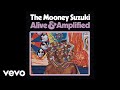
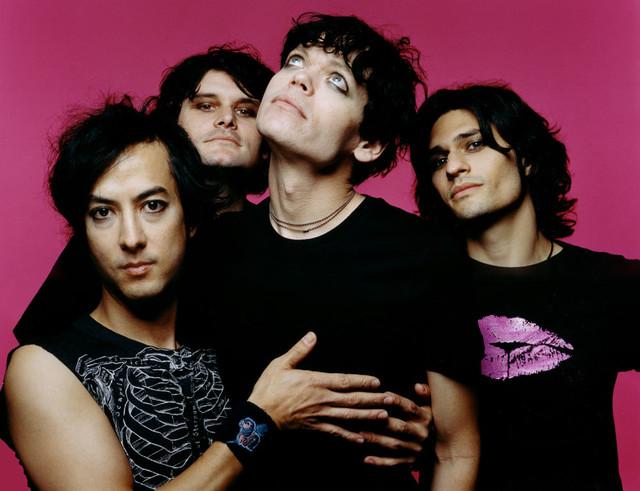
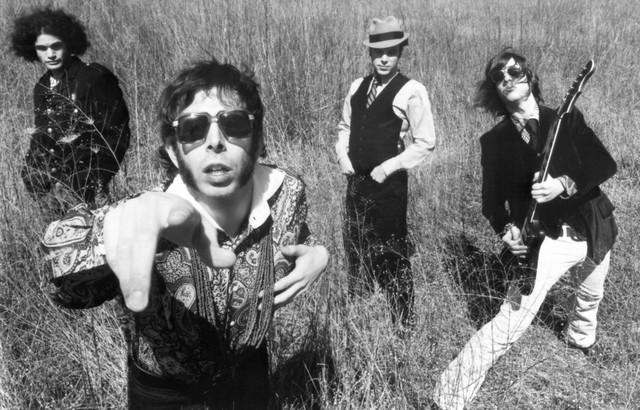
The Mooney Suzuki’s Spotify BioThe Mooney Suzuki debuted in 1996 upon the formation of Sammy James, Jr. (guitar/vocals), John Paul Ribas (bass), Graham Tyler (guitar), and Will Rockwell (drums). On top of their added punk of three-chord agility and their '60s momentum of the MC5, the Rolling Stones, and the Kinks, the quartet would spend the next three years playing in and out of their native New York City with the likes of Thee Headcoats, the Donnas, the Make-Up, and the Delta 72, among others. Telstar Records eventually packaged the Mooney Suzuki's first self-titled single, which debuted in 1999. They followed that up with the release of their debut album, People Get Ready, for Estrus in 2000. Steady touring led to more exposure and a new deal with Gammon Records for the release of 2002's critically acclaimed Electric Sweat. The album and the band's frenetic live shows caught the attention of Columbia Records, which signed the band soon after the album's release. They promptly reissued Electric Sweat with the… addition of live multimedia tracks. The group set off on the road again, bolstering their bank accounts by selling "Young Man's Mind" to Coors for use in a commercial and by recording an interpretation of Cole Porter's "Don't Fence Me In" for use in a Nike ad. After completing a stint on 2003's Lollapalooza tour, the band headed into the studio with pop hitmakers the Matrix to record their third album. In the middle of the sessions, the band was hired to provide the title song for Jack Black's film School of Rock, revamping Mike White's lyrics and providing the music for Black to emote over. The Mooney Suzuki's third album, Alive & Amplified, was released in August 2004. The band was subsequently dropped by Columbia and picked up by V2, which was shuttered before the band's next record, the stripped-down and predominately acoustic guitar-based Have Mercy, saw the light of day. The album was eventually released in June 2007 by Elixia Records. ~ Mike DaRonco & Tim Sendra, Rovi
Viberate is a music analytics platform built for A&Rs, artist managers, labels, booking agents, marketers, and artists.
It helps music professionals track artist growth, analyze audience data, monitor playlist activity, compare artists, follow song performance, and identify opportunities across the music market.
Public artist pages provide a free preview of selected artist data. Paid plans provide access to deeper analytics, historical data, charts, comparisons, playlist tools, exports, alerts, reports, and additional professional features.
Yes. Public Viberate artist pages provide selected artist analytics and music data for free.
Viberate also offers a 7-day free trial of the full platform. A credit card is required to start the trial. The trial includes access to the complete product so users can test deeper artist analytics, historical views, playlist insights, comparisons, charts, exports, alerts, and reporting features before choosing a paid plan.
Viberate provides artist analytics across streaming, playlists, social media, video, radio airplay, songs, and audience markets.
Users can analyze Spotify performance, Spotify and Apple Music playlists, YouTube activity, TikTok and Instagram growth, radio spins, song performance, audience locations, demographics, rankings, and overall artist momentum.
Artist profiles also connect to music charts, similar artists, and comparison tools, helping users benchmark performance and evaluate artists in context.
Viberate updates key artist and track data daily.
For followed artists and tracks, selected data is refreshed multiple times per day. This helps teams monitor playlist changes, streaming movement, audience growth, releases, and campaign performance with more current data.
Update frequency can vary depending on the metric and data source.
Yes. Viberate lets users compare up to five artists side by side across streaming, social media, audience, and engagement metrics.
Users can compare fanbase growth, audience demographics, locations, Spotify performance, social metrics, and other artist data over selected time periods.
Artist comparison can be used for A&R scouting, benchmarking, booking decisions, campaign planning, and evaluating artists with similar audiences or market positions.