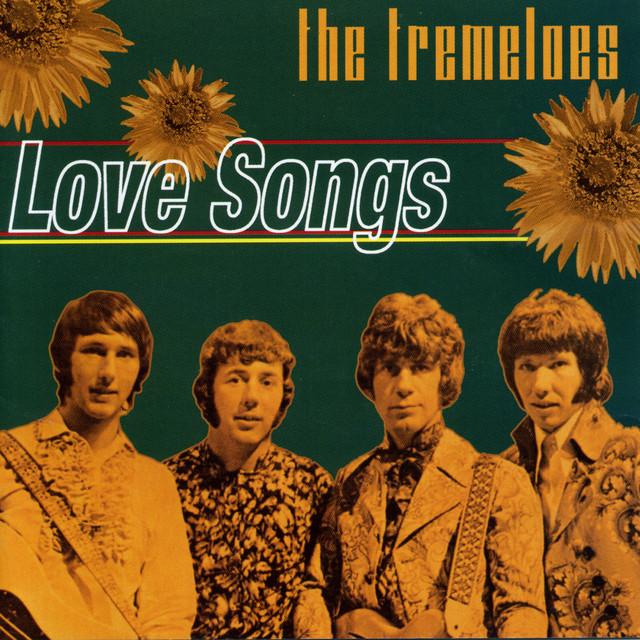
The Tremeloes

Rock
Pop Rock
Indie Rock
Psychedelic Rock
 Viberate Rank: 43964
 Viberate Rank: 43964
 Monthly ListenersFollowers
 Subscribers
 Followers
 Followers
 FansTop Spotify Songs
| Track | 7-Day Streams | |
|---|---|---|
1 | 59.10K | |
2 | 24.22K | |
3 | 20.76K | |
4 | 10.83K | |
5 | 5.60K |
Top YouTube VideosMonthly ListenersFeatured in Playlists| Playlist | Followers | |
|---|---|---|
1 |  Vietnam War Music Extra Music | 754.51K |
2 | Trevor Johnston | 110.24K |
3 |  Ted Lasso - Complete Playlist aviamax | 105.02K |
4 |  Once Upon A Time In...Hollywood Radio Josh Gardner | 100.15K |
5 | Las 100 mejores baladas en inglés de todos los tiempos Juan | 85.50K |
Audience| City | Monthly Listeners | |
|---|---|---|
1 |  | 5.58K |
2 |  | 4.18K |
3 | | 3.86K |
4 | | 3.76K |
5 | | 3.59K |
See full performance history, audience data, playlist activity, rankings, comparisons, and more in Viberate music analytics. Start with a free trial, then continue with a paid plan.
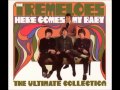
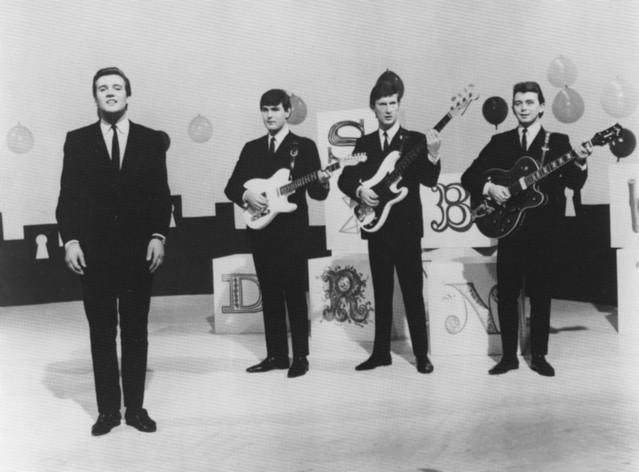
The Tremeloes’ Spotify BioWhen UK chart-toppers Brian Poole And The Tremeloes parted company in 1966, few would have wagered that the backing group would outdo the lead singer. Remarkably, however, the relaunched Tremeloes went on to eclipse not only Poole, but the original hitmaking act. At the time of their reconvening in 1966, the lineup was comprised of Rick West (b. Richard Westwood, 7 May 1943, Dagenham, Essex, England; guitar), Alan Blakley (b. 1 April 1942, Dagenham, Essex, England, d. 1995; rhythm guitar), Dave Munden (b. 2 December 1943, Dagenham, Essex, England; drums) and Alan Howard (b. 17 October 1941, Dagenham, Essex, England; bass). In May of 1966 Howard was replaced by Mike Clark; however, a mere three months later his spot was taken by Len ‘Chip’ Hawkes (b. 2 November 1946, London, England), whose lead vocals and boyish looks gave the group a stronger visual identity. In order to keep up with the times, the group members abandoned their stage suits in favour of Carnaby Street garb and… fashionably longer hair. Their second-generation debut for Decca Records was a cover of Paul Simon’s ‘Blessed’, which proved unsuccessful. Seeking more commercial material, they moved to CBS Records and covered ‘Good Day Sunshine’ from the Beatles’ Revolver. In spite of radio play, it too failed to chart, but their third release ‘Here Comes My Baby’ (a Cat Stevens composition) smashed into the Top 20 on both sides of the Atlantic.
An astute follow-up with ‘Silence Is Golden’, previously the flip side of the Four Seasons’ ‘Rag Doll’, proved a perfect vehicle for the Tremeloes’ soft harmonic style and gave them their only UK number 1 and their highest US chart entry (number 11). Having established themselves as a hit act, they notched up an impressive run of hits during the late 60s including ‘Even The Bad Times Are Good’, ‘Suddenly You Love Me’, ‘Helule Helule’ and ‘My Little Lady’. At the end of the decade, the Tremeloes seemed weary of their role in the pop world and broke away from their usual Tin Pan Alley songsmiths to write their own material. Their first attempt, ‘(Call Me) Number One’, was an impressive achievement, probably superior to the material that they had recorded since 1967. When it reached number 2 in the charts, the group members convinced themselves that a more ambitious approach would bring even greater rewards. Overreacting to their dream start as hit writers, they announced that they were ‘going heavy’ and suicidally alienated their pop audience by dismissing their earlier record-buying fans as ‘morons’.
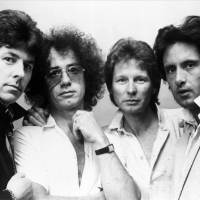
Their brief progressive phase was encapsulated in the album Master, which won no new fans but provided a final Top 20 single, ‘Me And My Life’. Thereafter, they turned increasingly to cabaret, where their strong live performances were well appreciated. In 1974 Chip Hawkes went to Nashville, USA, to pursue an ultimately unsuccessful solo career (his son Chesney Hawkes would enjoy a brief moment in the spotlight in the late 80s). Blakley left the following January, and Aaron Woolley and Bob Benham were brought in as replacements. The Tremeloes continued to record on an occasional basis, with albums being released by DJM Records and their old label CBS. They were still active in the new millennium, with Munden and West joined by Joe Gillingham (keyboards/vocals) and Davey Freyer (bass/vocals). In September 2006 Poole and the band reunited after 40 years for a tour of the UK. The latest version of the Tremeloes featured Munden, Hawkes, West and newer members Gillingham and Jeff Brown.
Viberate is a music analytics platform built for A&Rs, artist managers, labels, booking agents, marketers, and artists.
It helps music professionals track artist growth, analyze audience data, monitor playlist activity, compare artists, follow song performance, and identify opportunities across the music market.
Public artist pages provide a free preview of selected artist data. Paid plans provide access to deeper analytics, historical data, charts, comparisons, playlist tools, exports, alerts, reports, and additional professional features.
Yes. Public Viberate artist pages provide selected artist analytics and music data for free.
Viberate also offers a 7-day free trial of the full platform. A credit card is required to start the trial. The trial includes access to the complete product so users can test deeper artist analytics, historical views, playlist insights, comparisons, charts, exports, alerts, and reporting features before choosing a paid plan.
Viberate provides artist analytics across streaming, playlists, social media, video, radio airplay, songs, and audience markets.
Users can analyze Spotify performance, Spotify and Apple Music playlists, YouTube activity, TikTok and Instagram growth, radio spins, song performance, audience locations, demographics, rankings, and overall artist momentum.
Artist profiles also connect to music charts, similar artists, and comparison tools, helping users benchmark performance and evaluate artists in context.
Viberate updates key artist and track data daily.
For followed artists and tracks, selected data is refreshed multiple times per day. This helps teams monitor playlist changes, streaming movement, audience growth, releases, and campaign performance with more current data.
Update frequency can vary depending on the metric and data source.
Yes. Viberate lets users compare up to five artists side by side across streaming, social media, audience, and engagement metrics.
Users can compare fanbase growth, audience demographics, locations, Spotify performance, social metrics, and other artist data over selected time periods.
Artist comparison can be used for A&R scouting, benchmarking, booking decisions, campaign planning, and evaluating artists with similar audiences or market positions.