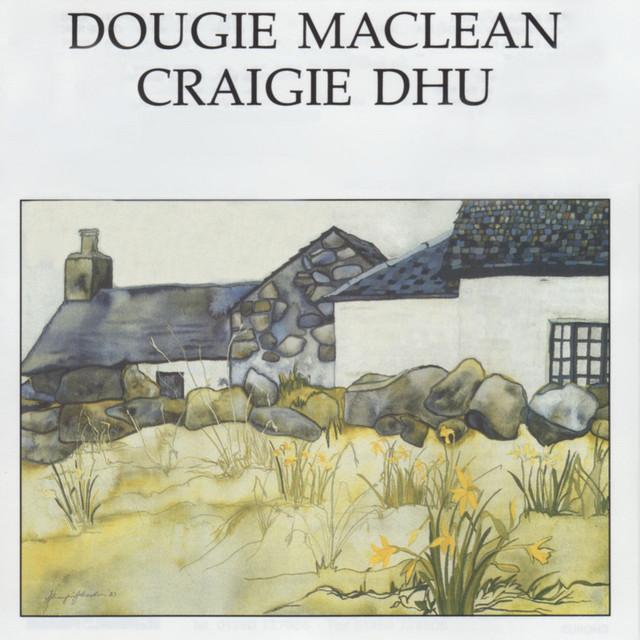
Dougie MacLean

European
Celtic
 Viberate Rank: 79739
 Viberate Rank: 79739
 Monthly ListenersFollowers
 Subscribers
 Followers
 Followers
 FansTop Spotify Songs
| Track | 7-Day Streams | |
|---|---|---|
1 | 97.50K | |
2 | 21.73K | |
3 | 5.87K | |
4 | 5.22K | |
5 | 5.03K |
Top YouTube VideosMonthly ListenersFeatured in Playlists| Playlist | Followers | |
|---|---|---|
1 |  Traditional Scottish Folk Spotify | 138.78K |
2 |  Celtic Music ☘️ The Gothard Sisters | 105.95K |
3 |  Choir songs that give me chills Alexa👹 | 102.29K |
4 |  Jacob's Optimum Music Feast Jacob Collier | 47.95K |
5 | Irish songs everyone knows irenekenny-ie | 46.20K |
Audience| City | Monthly Listeners | |
|---|---|---|
1 | | 15.38K |
2 | | 14.87K |
3 |  | 11.55K |
4 | | 6.17K |
5 |  | 3.92K |
See full performance history, audience data, playlist activity, rankings, comparisons, and more in Viberate music analytics. Start with a free trial, then continue with a paid plan.
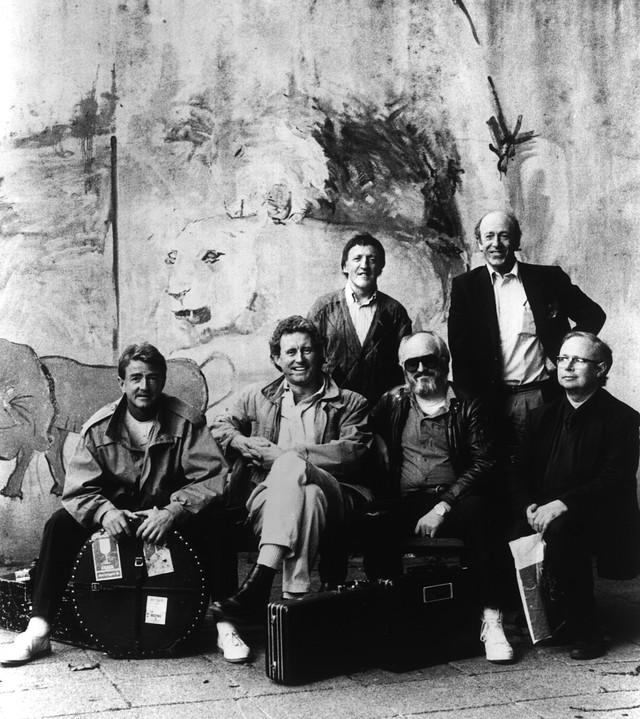
Dougie MacLean’s Spotify BioDougie MacLean is one of Scotland's premier singer/songwriters. A past member of the Tannahill Weavers and Silly Wizard, MacLean has used his songs, including "Caledonia," "The Singing Land," and "Solid Ground," to capture the natural beauty of his hometown on the border between the Highlands and the Valley of Strathmore.
MacLean first attracted attention as a teenager when he formed a band with future Silly Wizard members Andy Stewart and Martin Hadden. While performing as a street musician in Kinross in 1974, MacLean was invited to join the Tannahill Weavers. He remained with the group for three years before he moved to Germany and launched his solo career. For a while, MacLean also performed in a trio with Alex Campbell and Alan Roberts. MacLean's breakthrough came with the release of the album Caledonia in 1979. Returning to Scotland in 1980, he spent six months as the replacement for fiddler Johnny Cunningham in Silly Wizard. Although he temporarily returned to the Tannahill… Weavers, he resumed his solo career in 1981.
In addition to his busy schedule as a touring singer/songwriter, MacLean has been an influential record executive, having founded Dunkeld recording studios and record label with his wife, Jennifer, in 1983. Among the many tradition-rooted Scottish musicians who have recorded for the label, whose slogan is "Scotland's new heritage music," are Sheena Wellington, David Allison, Gordon Duncan, Hamish Moore, and Frieda Morrison.
A tour of the United States in 1989 was conducted in conjunction with Fiona Ritchie's National Public Radio show, Thistle & Shamrock. The following year, MacLean returned to the U.S. for a 17-concert tour with other Dunkeld artists. In 1995, MacLean played guitar and sang harmony on country artist Kathy Mattea's Good News album and toured as the opening act for Mattea's North American tour. Several of MacLean's songs were heard on the soundtrack of the film The Last of the Mohicans. In 1993, MacLean served as music director of the TAG Theater Company's production of A Scots Quair. A 40-minute documentary on MacLean's life and music, The Land: The Songs of Dougie MacLean was aired by the BBC.
Tracks from MacLean's three albums on the Plant Life label were assembled on the 1997 album The Plant Life Years. A sampling of tunes from MacLean's albums on Dunkeld were included on the 1995 album The Dougie MacLean Collection. MacLean's subsequent noteworthy releases have included Riof (1997), Perthshire Amber and Live from the Ends of the Earth (both 2000), Who Am I (2002), Inside the Thunder (2006), and the limited-edition EP Muir of Gormack (2007). ~ Craig Harris, Rovi
Viberate is a music analytics platform built for A&Rs, artist managers, labels, booking agents, marketers, and artists.
It helps music professionals track artist growth, analyze audience data, monitor playlist activity, compare artists, follow song performance, and identify opportunities across the music market.
Public artist pages provide a free preview of selected artist data. Paid plans provide access to deeper analytics, historical data, charts, comparisons, playlist tools, exports, alerts, reports, and additional professional features.
Yes. Public Viberate artist pages provide selected artist analytics and music data for free.
Viberate also offers a 7-day free trial of the full platform. A credit card is required to start the trial. The trial includes access to the complete product so users can test deeper artist analytics, historical views, playlist insights, comparisons, charts, exports, alerts, and reporting features before choosing a paid plan.
Viberate provides artist analytics across streaming, playlists, social media, video, radio airplay, songs, and audience markets.
Users can analyze Spotify performance, Spotify and Apple Music playlists, YouTube activity, TikTok and Instagram growth, radio spins, song performance, audience locations, demographics, rankings, and overall artist momentum.
Artist profiles also connect to music charts, similar artists, and comparison tools, helping users benchmark performance and evaluate artists in context.
Viberate updates key artist and track data daily.
For followed artists and tracks, selected data is refreshed multiple times per day. This helps teams monitor playlist changes, streaming movement, audience growth, releases, and campaign performance with more current data.
Update frequency can vary depending on the metric and data source.
Yes. Viberate lets users compare up to five artists side by side across streaming, social media, audience, and engagement metrics.
Users can compare fanbase growth, audience demographics, locations, Spotify performance, social metrics, and other artist data over selected time periods.
Artist comparison can be used for A&R scouting, benchmarking, booking decisions, campaign planning, and evaluating artists with similar audiences or market positions.