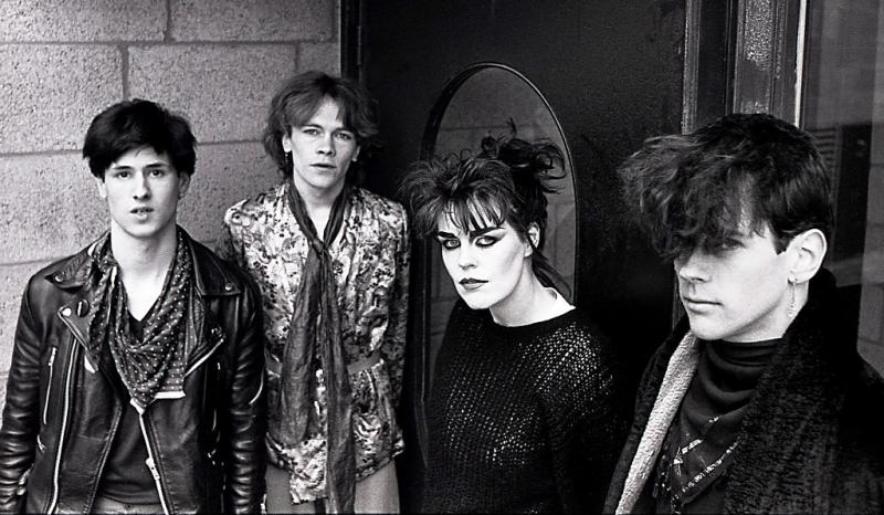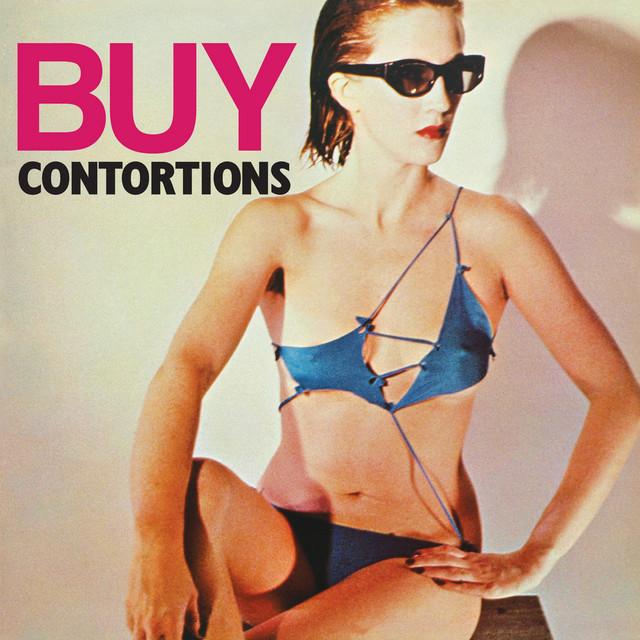
The Contortions

Punk
Punk Rock
Noise Rock
Funk
 Viberate Rank: 277423
 Viberate Rank: 277423
 Monthly ListenersFollowers
 Subscribers
 Followers
 Followers
 FansTop Spotify Songs
| Track | 7-Day Streams | |
|---|---|---|
1 | 2.03K | |
2 | 973 | |
3 | 842 | |
4 | 579 | |
5 | 509 |
Top YouTube VideosMonthly ListenersFeatured in Playlists| Playlist | Followers | |
|---|---|---|
1 |  Anthony Bourdain's Favorite Songs alexanderlenox-us | 58.25K |
2 |  Roadrunner : A Film About Anthony Bourdain Roadrunnermovie | 28.84K |
3 |  No Wave Timothy Walschaerts | 9.35K |
4 |  songs to eat glass to Machine Girl | 8.89K |
5 |  Anthony Bourdain's 302 favourite songs Far Out Magazine | 6.16K |
Audience| City | Monthly Listeners | |
|---|---|---|
1 | | 154 |
2 | | 145 |
3 | | 138 |
4 | | 136 |
5 |  | 130 |
See full performance history, audience data, playlist activity, rankings, comparisons, and more in Viberate music analytics. Start with a free trial, then continue with a paid plan.
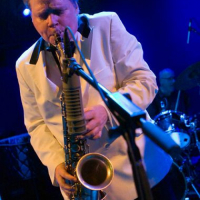
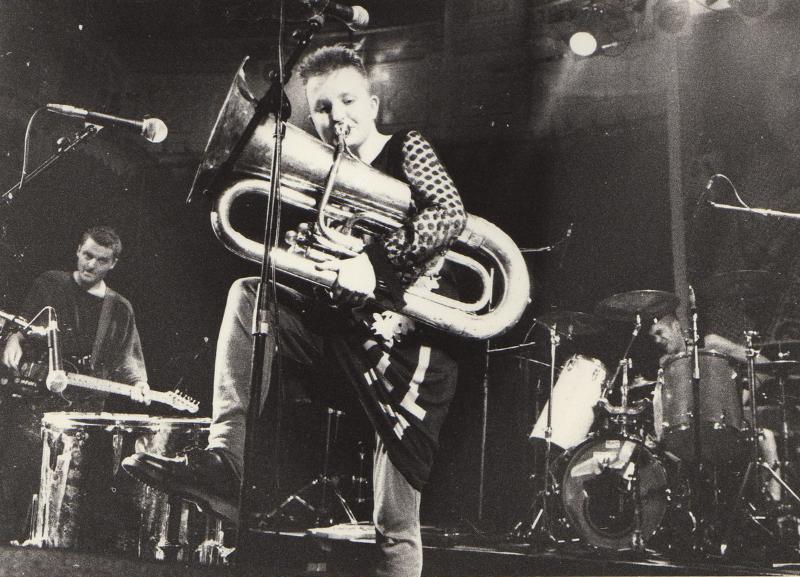
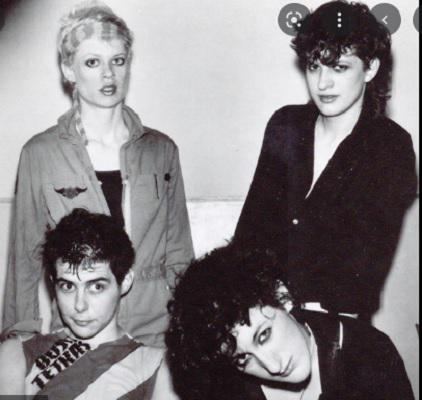
The Contortions’ Spotify BioFormed by James Siegfried (aka James Chance) in the late '70s, the Contortions were a collision of punk and harmolodic jazz that, along with Bill Laswell's Material and James Blood Ulmer, constituted New York's no wave scene. Chance's awareness of cutting-edge jazz -- and a defiantly original saxophone style, an unholy combination of Captain Beefheart and Maceo Parker -- injected his music with a brittle energy that was unmatched. The Contortions -- comprising Chance, Pat Place (guitar), Jody Harris (guitar), Adele Bertei (keyboards), George Scott III (bass), and Don Christensen (drums) -- debuted in 1978 on No New York, a seminal sampler chronicling the city's no wave movement. The band's experimental fusion of punk, free jazz, and funk was exemplified on the startling Buy, issued on the then-fashionable Ze label. Three live sets, released following the Contortions' demise, chronicled their memorable in-concert power. A later version of the band, James White and the Blacks, fostered D…efunkt as a separate entity, kick-starting the black rock movement that begat Living Colour. Heroin problems prevented James Chance from reaching a large audience, but his spiky, beautiful music remains as a testament that jazz chops do not necessarily make for tedious rock music. Chance died on June 18, 2024, at the age of 71.
Viberate is a music analytics platform built for A&Rs, artist managers, labels, booking agents, marketers, and artists.
It helps music professionals track artist growth, analyze audience data, monitor playlist activity, compare artists, follow song performance, and identify opportunities across the music market.
Public artist pages provide a free preview of selected artist data. Paid plans provide access to deeper analytics, historical data, charts, comparisons, playlist tools, exports, alerts, reports, and additional professional features.
Yes. Public Viberate artist pages provide selected artist analytics and music data for free.
Viberate also offers a 7-day free trial of the full platform. A credit card is required to start the trial. The trial includes access to the complete product so users can test deeper artist analytics, historical views, playlist insights, comparisons, charts, exports, alerts, and reporting features before choosing a paid plan.
Viberate provides artist analytics across streaming, playlists, social media, video, radio airplay, songs, and audience markets.
Users can analyze Spotify performance, Spotify and Apple Music playlists, YouTube activity, TikTok and Instagram growth, radio spins, song performance, audience locations, demographics, rankings, and overall artist momentum.
Artist profiles also connect to music charts, similar artists, and comparison tools, helping users benchmark performance and evaluate artists in context.
Viberate updates key artist and track data daily.
For followed artists and tracks, selected data is refreshed multiple times per day. This helps teams monitor playlist changes, streaming movement, audience growth, releases, and campaign performance with more current data.
Update frequency can vary depending on the metric and data source.
Yes. Viberate lets users compare up to five artists side by side across streaming, social media, audience, and engagement metrics.
Users can compare fanbase growth, audience demographics, locations, Spotify performance, social metrics, and other artist data over selected time periods.
Artist comparison can be used for A&R scouting, benchmarking, booking decisions, campaign planning, and evaluating artists with similar audiences or market positions.