James Chance

Jazz
Jazz Fusion
Noise Rock
Punk Rock
 Viberate Rank: 206682
 Viberate Rank: 206682
 Monthly ListenersFollowers
 Subscribers
 Followers
 Followers
 FansTop Spotify Songs
| Track | 7-Day Streams | |
|---|---|---|
1 | 2.03K | |
2 | 1.23K | |
3 | 973 | |
4 | 973 | |
5 | 579 |
Top YouTube VideosMonthly ListenersFeatured in Playlists| Playlist | Followers | |
|---|---|---|
1 |  Anthony Bourdain's Favorite Songs alexanderlenox-us | 58.25K |
2 |  Roadrunner : A Film About Anthony Bourdain Roadrunnermovie | 28.84K |
3 |  No Wave Timothy Walschaerts | 9.35K |
4 |  songs to eat glass to Machine Girl | 8.89K |
5 |  OUTSIDER MUSIC MILHAAUS | 7.75K |
Audience| City | Monthly Listeners | |
|---|---|---|
1 |  | 40 |
2 | | 38 |
3 |  | 37 |
4 | | 32 |
5 |  | 28 |
See full performance history, audience data, playlist activity, rankings, comparisons, and more in Viberate music analytics. Start with a free trial, then continue with a paid plan.
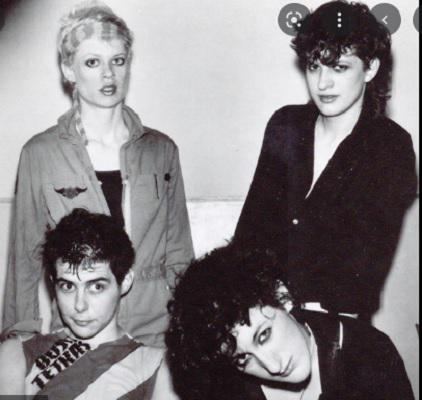
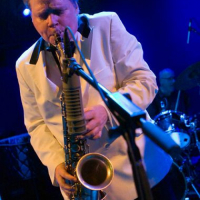
James Chance’s Spotify BioOne of the central figures of the No Wave movement of the late '70s, James Chance & the Contortions formed in New York City in 1977. They were led by vocalist/saxophonist Chance, a Milwaukee native (born James Sigfried) who also answered to the alias James White. After relocating to the Big Apple to play free jazz, he fell in with the city's avant-garde community; upon adopting the surname Chance and acquiring a wardrobe of outrageously loud suits, Chance formed the Contortions, an abrasively chaotic funk-noise outfit featuring organist Adele Bertei, guitarists Pat Place and Jody Harris, and drummer Don Christiansen.
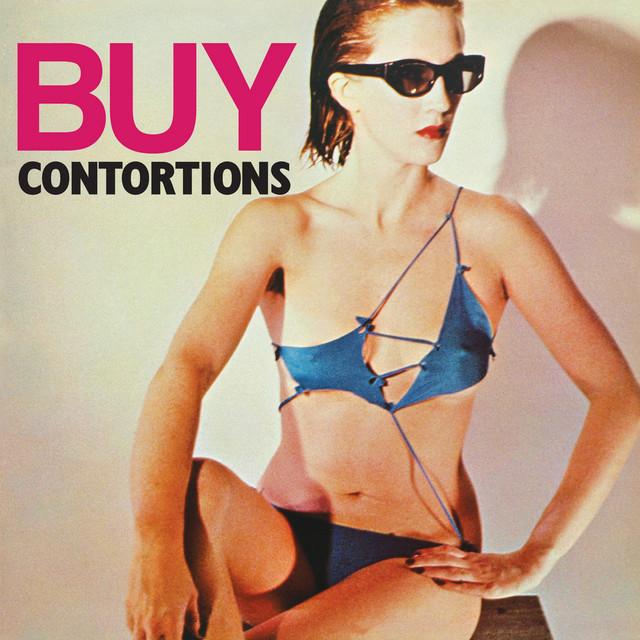
After winning acclaim and notoriety for their wild, often combative live shows (the aggressive, nihilistic Chance often picked fistfights with audience members), the Contortions entered the studio with producer Brian Eno to record four tracks for the No New York compilation. After cutting enough material for an LP, 1979's Buy the Contortions, the group crashed along with… the No Wave scene; as James White, Chance soon resurfaced fronting the Blacks, a bizarre disco outfit comprised of most of the Contortions alumni, albeit with the notable exception of Bertei, and released Off White. In 1982, the highly regarded Sax Maniac album was released on Chris Stein's short-lived Animal label. Unfortunately, the label disappeared quickly taking the album along with it. Chance recorded his final studio project Flaming Demonics in 1983, again for ZE, under the James White moniker. Chance seemed to have vanished in the next decade, but occasionally his original albums or live recordings would surface, only to quickly disappear. In 2003, the small indie label Tiger Style reissued all the official material Chance/White recorded, along with a few ultra-rare tracks, on the three-disc set Irresistible Impulse. The reissue coincided with Chance's return to playing live again, albeit sporadically. The following year, Tiger Style released a two disc compilation, Sax Education, containing his "greatest hits" with a second disc of a previously unreleased live performance for Radio Holland from 1981. James Chance died after a lengthy illness on June 18, 2024. He was 71. ~ Jason Ankeny & Al Campbell, Rovi
Viberate is a music analytics platform built for A&Rs, artist managers, labels, booking agents, marketers, and artists.
It helps music professionals track artist growth, analyze audience data, monitor playlist activity, compare artists, follow song performance, and identify opportunities across the music market.
Public artist pages provide a free preview of selected artist data. Paid plans provide access to deeper analytics, historical data, charts, comparisons, playlist tools, exports, alerts, reports, and additional professional features.
Yes. Public Viberate artist pages provide selected artist analytics and music data for free.
Viberate also offers a 7-day free trial of the full platform. A credit card is required to start the trial. The trial includes access to the complete product so users can test deeper artist analytics, historical views, playlist insights, comparisons, charts, exports, alerts, and reporting features before choosing a paid plan.
Viberate provides artist analytics across streaming, playlists, social media, video, radio airplay, songs, and audience markets.
Users can analyze Spotify performance, Spotify and Apple Music playlists, YouTube activity, TikTok and Instagram growth, radio spins, song performance, audience locations, demographics, rankings, and overall artist momentum.
Artist profiles also connect to music charts, similar artists, and comparison tools, helping users benchmark performance and evaluate artists in context.
Viberate updates key artist and track data daily.
For followed artists and tracks, selected data is refreshed multiple times per day. This helps teams monitor playlist changes, streaming movement, audience growth, releases, and campaign performance with more current data.
Update frequency can vary depending on the metric and data source.
Yes. Viberate lets users compare up to five artists side by side across streaming, social media, audience, and engagement metrics.
Users can compare fanbase growth, audience demographics, locations, Spotify performance, social metrics, and other artist data over selected time periods.
Artist comparison can be used for A&R scouting, benchmarking, booking decisions, campaign planning, and evaluating artists with similar audiences or market positions.