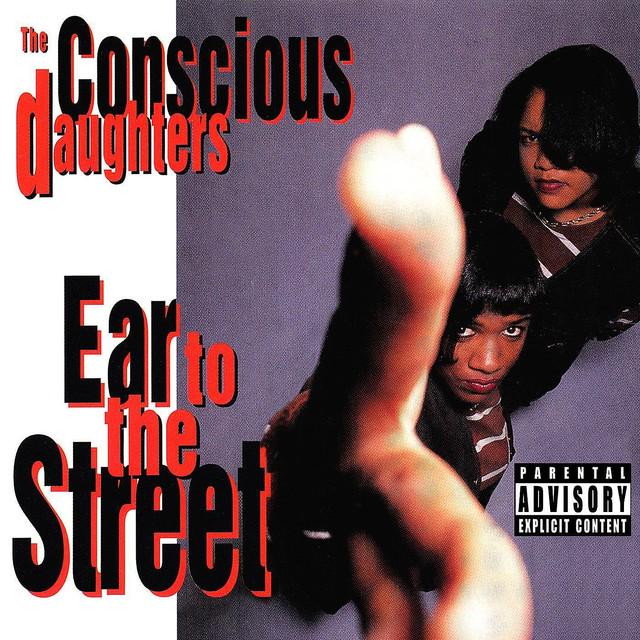
The Conscious Daughters

Hip Hop
Contemporary Hip Hop
 Viberate Rank: 171731
 Viberate Rank: 171731
 Monthly ListenersFollowers
 Subscribers
 Followers
 Followers
 FansTop Spotify Songs
| Track | 7-Day Streams | |
|---|---|---|
1 | 26.15K | |
2 | 14.36K | |
3 | 1.82K | |
4 | 891 | |
5 | 568 |
Top YouTube VideosMonthly ListenersFeatured in Playlists| Playlist | Followers | |
|---|---|---|
1 |  West Coast Classics (GTAV) Rockstar Games | 174.49K |
2 |  West Side Classics StrawHatNeil | 149.03K |
3 |  Classic Hip-Hop elirocky10 | 118.58K |
4 |  G-funk - West Coast Oldschool Mix Krakus | 78.14K |
5 |  Old School Fire Takeover Records | 59.54K |
Audience| City | Monthly Listeners | |
|---|---|---|
1 | | 2.68K |
2 | | 1.46K |
3 | | 1.21K |
4 | | 1.03K |
5 | | 1.01K |
See full performance history, audience data, playlist activity, rankings, comparisons, and more in Viberate music analytics. Start with a free trial, then continue with a paid plan.
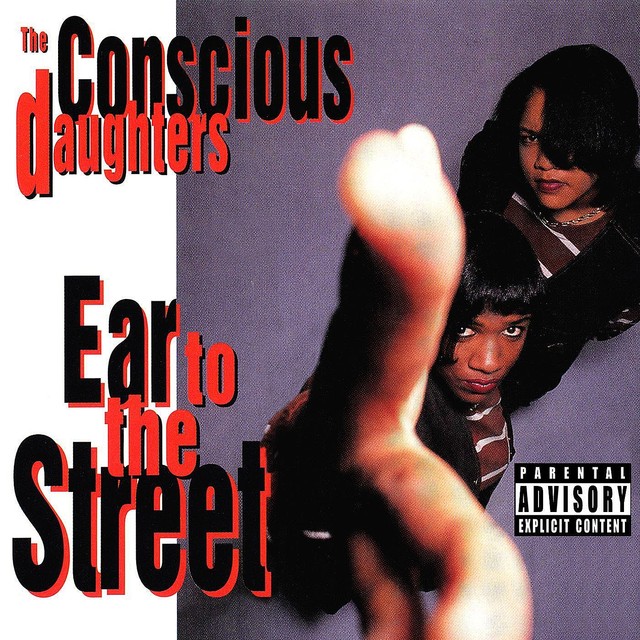
The Conscious Daughters’ Spotify BioThe Conscious Daughters, who emerged in the socially aware, Afrocentric milieu of early-'90s Bay Area hip-hop, were a female rap duo from Oakland consisting of Carla Green and Karryl Smith. Ultra-political, militant hip-hopper Paris championed the pair early on and helmed their 1993 debut, Ear to the Street, producing and writing all of the tracks and (along with engineer Eric Valentine) playing on them as well. The themes echoed the "thug-life" sentiments of much of the West Coast hip-hop at the time, employing a distinctly women's perspective (particularly on tracks such as "Princess of Poetry," "Wife of a Gangsta," and "Crazybitchmadness"). The Conscious Daughters next appeared on their mentor Paris' 1994 album, Guerilla Funk, adding raps to tracks such as "Bring It to Ya." The duo finally dropped their sophomore effort, Gamers, in 1996. The Daughters pitched in on production this time around, with help from such able hands as Studio Ton, Tone Capone, and omnipresent ally Paris.… Gamers featured a host of guest artists, among them Nate Fox, Harm, Suga T, Mystic, Lil Kristen, Rose, Sandy Griffith (da Old Skool), Saafir, Father Dom, Money B, and C-Funk (many of which cropped up on the final track, "All-Star Freestyle"). ~ Erik Hage, Rovi
Viberate is a music analytics platform built for A&Rs, artist managers, labels, booking agents, marketers, and artists.
It helps music professionals track artist growth, analyze audience data, monitor playlist activity, compare artists, follow song performance, and identify opportunities across the music market.
Public artist pages provide a free preview of selected artist data. Paid plans provide access to deeper analytics, historical data, charts, comparisons, playlist tools, exports, alerts, reports, and additional professional features.
Yes. Public Viberate artist pages provide selected artist analytics and music data for free.
Viberate also offers a 7-day free trial of the full platform. A credit card is required to start the trial. The trial includes access to the complete product so users can test deeper artist analytics, historical views, playlist insights, comparisons, charts, exports, alerts, and reporting features before choosing a paid plan.
Viberate provides artist analytics across streaming, playlists, social media, video, radio airplay, songs, and audience markets.
Users can analyze Spotify performance, Spotify and Apple Music playlists, YouTube activity, TikTok and Instagram growth, radio spins, song performance, audience locations, demographics, rankings, and overall artist momentum.
Artist profiles also connect to music charts, similar artists, and comparison tools, helping users benchmark performance and evaluate artists in context.
Viberate updates key artist and track data daily.
For followed artists and tracks, selected data is refreshed multiple times per day. This helps teams monitor playlist changes, streaming movement, audience growth, releases, and campaign performance with more current data.
Update frequency can vary depending on the metric and data source.
Yes. Viberate lets users compare up to five artists side by side across streaming, social media, audience, and engagement metrics.
Users can compare fanbase growth, audience demographics, locations, Spotify performance, social metrics, and other artist data over selected time periods.
Artist comparison can be used for A&R scouting, benchmarking, booking decisions, campaign planning, and evaluating artists with similar audiences or market positions.