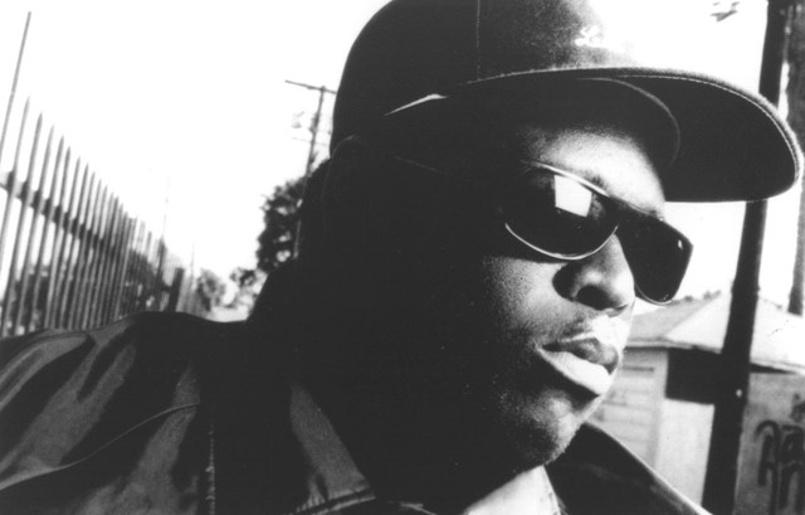
C.P.O.

Hip Hop
Contemporary Hip Hop
Funk
 Viberate Rank: 298100
 Viberate Rank: 298100
 Monthly ListenersFollowers
 Subscribers
 Followers
 Followers
 FansTop Spotify Songs
| Track | 7-Day Streams | |
|---|---|---|
1 | 11.42K | |
2 | 1.01K | |
3 | 330 | |
4 | 99 | |
5 | 83 |
Top YouTube VideosMonthly ListenersFeatured in Playlists| Playlist | Followers | |
|---|---|---|
1 |  West Coast Classics (GTAV) Rockstar Games | 174.41K |
2 |  90s Rap Greatest Hits - 90s Hiphop 🇺🇸 Gringo | 96.19K |
3 |  90s Skate Music 🛹 Ryder mf Lund | 55.96K |
4 | GTA ONLINE Soundtracks (unofficial) Chris | 13.40K |
5 |  Grand Theft Auto V Soundtrack DYLAN LOGAN. | 12.81K |
Audience| City | Monthly Listeners | |
|---|---|---|
1 | | 450 |
2 |  | 389 |
3 | | 380 |
4 | | 335 |
5 | | 279 |
See full performance history, audience data, playlist activity, rankings, comparisons, and more in Viberate music analytics. Start with a free trial, then continue with a paid plan.
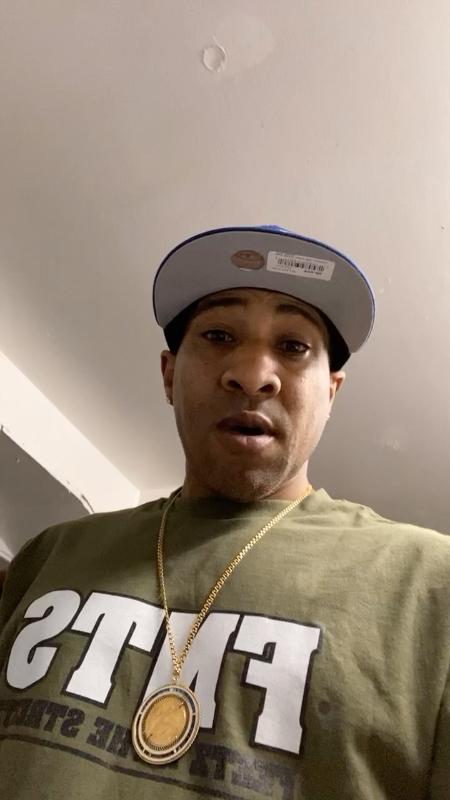
C.P.O.’s Spotify BioAn acronym for Capital Punishment Organization, CPO is the brainchild of rapper Lil’ Nation. Born Vince Edwards, Lil' Nation had formerly been an armed gang member in South Central Los Angeles, California from the age of 12, providing him with suitable gangsta rap credentials. However, his debut album, To Hell and Black, on which he was aided by members of the Ruthless Records/N.W.A. stable (notably MC Ren), was a poor imitation of those artists’ street hip-hop élan. In particular, his rapping carried neither the potency nor the dexterity of his better-known peers. Later working under the name CPO Boss Hogg, he would contribute rhymes to recordings by N.W.A., 2Pac, and Warren G. Lil' Nation died on January 13, 2022 at the age of 52.
Viberate is a music analytics platform built for A&Rs, artist managers, labels, booking agents, marketers, and artists.
It helps music professionals track artist growth, analyze audience data, monitor playlist activity, compare artists, follow song performance, and identify opportunities across the music market.
Public artist pages provide a free preview of selected artist data. Paid plans provide access to deeper analytics, historical data, charts, comparisons, playlist tools, exports, alerts, reports, and additional professional features.
Yes. Public Viberate artist pages provide selected artist analytics and music data for free.
Viberate also offers a 7-day free trial of the full platform. A credit card is required to start the trial. The trial includes access to the complete product so users can test deeper artist analytics, historical views, playlist insights, comparisons, charts, exports, alerts, and reporting features before choosing a paid plan.
Viberate provides artist analytics across streaming, playlists, social media, video, radio airplay, songs, and audience markets.
Users can analyze Spotify performance, Spotify and Apple Music playlists, YouTube activity, TikTok and Instagram growth, radio spins, song performance, audience locations, demographics, rankings, and overall artist momentum.
Artist profiles also connect to music charts, similar artists, and comparison tools, helping users benchmark performance and evaluate artists in context.
Viberate updates key artist and track data daily.
For followed artists and tracks, selected data is refreshed multiple times per day. This helps teams monitor playlist changes, streaming movement, audience growth, releases, and campaign performance with more current data.
Update frequency can vary depending on the metric and data source.
Yes. Viberate lets users compare up to five artists side by side across streaming, social media, audience, and engagement metrics.
Users can compare fanbase growth, audience demographics, locations, Spotify performance, social metrics, and other artist data over selected time periods.
Artist comparison can be used for A&R scouting, benchmarking, booking decisions, campaign planning, and evaluating artists with similar audiences or market positions.