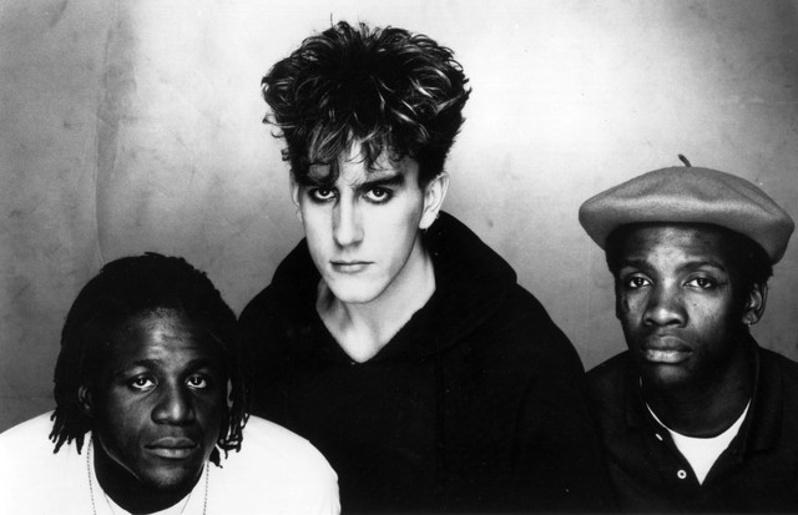
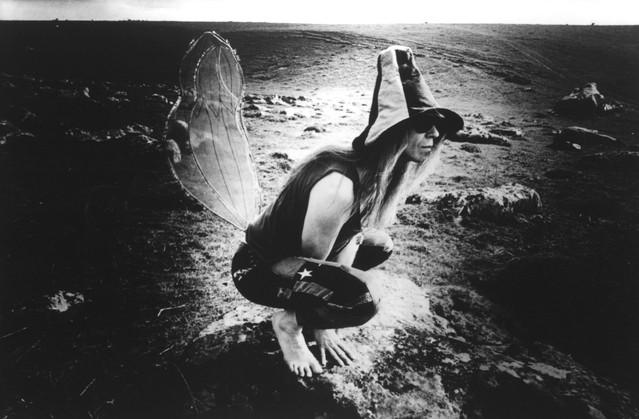
The Colourfield

Rock
Pop Rock
Alternative Rock
 Viberate Rank: 144826
 Viberate Rank: 144826
 Monthly ListenersFollowers
 Subscribers
 Followers
 Followers
 FansTop Spotify Songs
| Track | 7-Day Streams | |
|---|---|---|
1 | 12.09K | |
2 | 6.67K | |
3 | 2.57K | |
4 | 2.27K | |
5 | 1.27K |
Top YouTube VideosMonthly ListenersFeatured in Playlists| Playlist | Followers | |
|---|---|---|
1 |  Sex Education Official Playlist Spotify | 137.75K |
2 |  10 Things I Hate About You (Original Motion Picture Soundtrack) MovieSoundtracks1 | 83.19K |
3 |  New Wave 80s vs Alternative 90s Cocoy Claravall | 68.41K |
4 | llynch14 | 67.71K |
5 | The BEST of NEW WAVE '80s Ralph Geturbos | 43.11K |
Audience| City | Monthly Listeners | |
|---|---|---|
1 | | 2.42K |
2 | | 1.42K |
3 |  | 1.32K |
4 | | 795 |
5 | | 663 |
See full performance history, audience data, playlist activity, rankings, comparisons, and more in Viberate music analytics. Start with a free trial, then continue with a paid plan.
The Colourfield’s Spotify BioBy the summer of 1983, Fun Boy Three were peaking in popularity and Terry Hall disbanded the group. Hooking up with ex-Swinging Cats members Toby Lyons and Karl Shale, Hall moved to Manchester and formed the Colour Field, a lusher and more melodic outfit than Fun Boy Three. In January 1984, the band released their first single, "The Colour Field," which just missed the Top 40. It was followed later that summer by "Take," which didn't even come close to the Top 40. The Colour Field had their first hit in January 1985, when "Thinking of You" reached number 12. It was followed by "Castles in the Air," another failed single that preceded the release of their debut long-player, Virgins and Philistines, by just a few weeks. Like the group's singles, the album failed to gain a large audience for the Colour Field. The band released a second LP, Deception, in the spring of 1987. During the sessions, Lyons left the band, leaving Hall to finish the album by himself; to complete the record, Hall h…ired Raquel Welch's band. Hall was unhappy with the album, and he disbanded the Colour Field by the end of 1987. Terry Hall died on December 18, 2022, from pancreatic cancer at the age of 63. ~ Stephen Thomas Erlewine, Rovi
Viberate is a music analytics platform built for A&Rs, artist managers, labels, booking agents, marketers, and artists.
It helps music professionals track artist growth, analyze audience data, monitor playlist activity, compare artists, follow song performance, and identify opportunities across the music market.
Public artist pages provide a free preview of selected artist data. Paid plans provide access to deeper analytics, historical data, charts, comparisons, playlist tools, exports, alerts, reports, and additional professional features.
Yes. Public Viberate artist pages provide selected artist analytics and music data for free.
Viberate also offers a 7-day free trial of the full platform. A credit card is required to start the trial. The trial includes access to the complete product so users can test deeper artist analytics, historical views, playlist insights, comparisons, charts, exports, alerts, and reporting features before choosing a paid plan.
Viberate provides artist analytics across streaming, playlists, social media, video, radio airplay, songs, and audience markets.
Users can analyze Spotify performance, Spotify and Apple Music playlists, YouTube activity, TikTok and Instagram growth, radio spins, song performance, audience locations, demographics, rankings, and overall artist momentum.
Artist profiles also connect to music charts, similar artists, and comparison tools, helping users benchmark performance and evaluate artists in context.
Viberate updates key artist and track data daily.
For followed artists and tracks, selected data is refreshed multiple times per day. This helps teams monitor playlist changes, streaming movement, audience growth, releases, and campaign performance with more current data.
Update frequency can vary depending on the metric and data source.
Yes. Viberate lets users compare up to five artists side by side across streaming, social media, audience, and engagement metrics.
Users can compare fanbase growth, audience demographics, locations, Spotify performance, social metrics, and other artist data over selected time periods.
Artist comparison can be used for A&R scouting, benchmarking, booking decisions, campaign planning, and evaluating artists with similar audiences or market positions.