The Associates

Rock
Indie Rock
Post Punk
 Viberate Rank: 122003
 Viberate Rank: 122003
 Monthly ListenersFollowers
 Subscribers
 Followers
 Followers
 FansTop Spotify Songs
| Track | 7-Day Streams | |
|---|---|---|
1 | 5.54K | |
2 | 4.60K | |
3 | 2.72K | |
4 | 1.25K | |
5 | 1.00K |
Top YouTube VideosMonthly ListenersFeatured in Playlists| Playlist | Followers | |
|---|---|---|
1 |  Every Track Star* Song Track Star* | 36.85K |
2 | 80's New Wave Pascal Amiaud | 31.90K |
3 |  Ska, Mod, Punk and New Wave Mr Generation X | 20.89K |
4 |  summer in greece caroline 🪼 | 17.06K |
5 |  Only 80's Electronic nrclark | 15.88K |
Audience| City | Monthly Listeners | |
|---|---|---|
1 | | 3.22K |
2 | | 1.74K |
3 | | 1.74K |
4 | | 856 |
5 | | 353 |
See full performance history, audience data, playlist activity, rankings, comparisons, and more in Viberate music analytics. Start with a free trial, then continue with a paid plan.
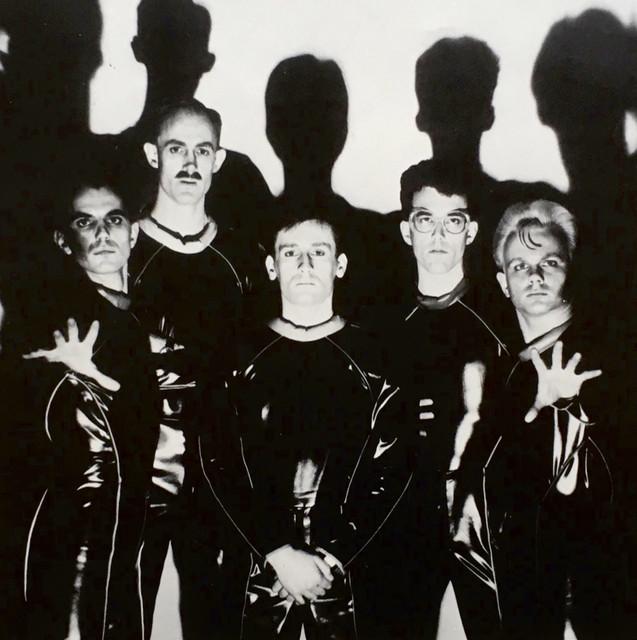
The Associates’ Spotify BioBilly Mackenzie & Alan Rankine first worked together in the cabaret outfit Mental Torture, playing hotel residencies to middle-aged patrons. Sharing an Edinburgh apartment, the pair hatched a vision for Associates from their shared love of film soundtracks, Burt Bacharach, David Bowie & Roxy Music.
The duo signed to Fiction and released The Affectionate Punch in early 1980, a striking debut album and the start of a rich partnership with engineer-producer Mike Hedges. The gameplan was to penetrate the charts, but songs from 1981’s Fourth Drawer Down were just too wayward, recalling the grandeur of Scott Walker or the desolate postpunk of Cabaret Voltaire. Undeterred, Mackenzie and Rankine went for pop’s jugular with Party Fears Two & Club Country which broke them into the UK Top 20. The deliriously inventive Sulk followed with a series of memorably mischievous Top of the Pops appearances, and another hit, 18 Carat Love Affair.
But on the eve of their first major tour, Mackenzie abruptly… flinched from mega-stardom. Exasperated, Rankine quit. Associates continued sporadically but the momentum never recovered, and neither, in truth, did the magic. Fans dreamed that the dream-team would one day reunite to reignite their destiny. Once or twice it nearly happened, but Mackenzie’s tragic death in 1997 removed that possibility forever. What’s left is a compact and tantalizing body of work, some of the strangest and most swoon-inducing pop ever made ~ Simon Reynolds
Viberate is a music analytics platform built for A&Rs, artist managers, labels, booking agents, marketers, and artists.
It helps music professionals track artist growth, analyze audience data, monitor playlist activity, compare artists, follow song performance, and identify opportunities across the music market.
Public artist pages provide a free preview of selected artist data. Paid plans provide access to deeper analytics, historical data, charts, comparisons, playlist tools, exports, alerts, reports, and additional professional features.
Yes. Public Viberate artist pages provide selected artist analytics and music data for free.
Viberate also offers a 7-day free trial of the full platform. A credit card is required to start the trial. The trial includes access to the complete product so users can test deeper artist analytics, historical views, playlist insights, comparisons, charts, exports, alerts, and reporting features before choosing a paid plan.
Viberate provides artist analytics across streaming, playlists, social media, video, radio airplay, songs, and audience markets.
Users can analyze Spotify performance, Spotify and Apple Music playlists, YouTube activity, TikTok and Instagram growth, radio spins, song performance, audience locations, demographics, rankings, and overall artist momentum.
Artist profiles also connect to music charts, similar artists, and comparison tools, helping users benchmark performance and evaluate artists in context.
Viberate updates key artist and track data daily.
For followed artists and tracks, selected data is refreshed multiple times per day. This helps teams monitor playlist changes, streaming movement, audience growth, releases, and campaign performance with more current data.
Update frequency can vary depending on the metric and data source.
Yes. Viberate lets users compare up to five artists side by side across streaming, social media, audience, and engagement metrics.
Users can compare fanbase growth, audience demographics, locations, Spotify performance, social metrics, and other artist data over selected time periods.
Artist comparison can be used for A&R scouting, benchmarking, booking decisions, campaign planning, and evaluating artists with similar audiences or market positions.