Terry Hall

Pop
Mainstream Pop
Alternative Rock
 Viberate Rank: 115923
 Viberate Rank: 115923
 Monthly ListenersFollowers
 Subscribers
 Followers
 Followers
 FansTop Spotify Songs
| Track | 7-Day Streams | |
|---|---|---|
1 | 6.93K | |
2 | 4.94K | |
3 | 2.81K | |
4 | 2.70K | |
5 | 2.50K |
Top YouTube VideosMonthly ListenersFeatured in Playlists| Playlist | Followers | |
|---|---|---|
1 |  Trip Hop Classics (1991-2001) - Triphop Classics 90s (100+ tracks) oppositemarco | 44.69K |
2 |  Foo Fighters: 1990s Alternative Retrogamer PlayStation®️ | 17.95K |
3 |  Warp Records andy_phology | 16.72K |
4 |  Living In My Headphones James Lavelle (UNKLE) | 16.04K |
5 | 80s 90s Remix Workout CEO of ✨playlists✨ | 10.46K |
Audience| City | Monthly Listeners | |
|---|---|---|
1 | | 2.27K |
2 | | 1.26K |
3 |  | 1.22K |
4 | | 641 |
5 | | 586 |
See full performance history, audience data, playlist activity, rankings, comparisons, and more in Viberate music analytics. Start with a free trial, then continue with a paid plan.
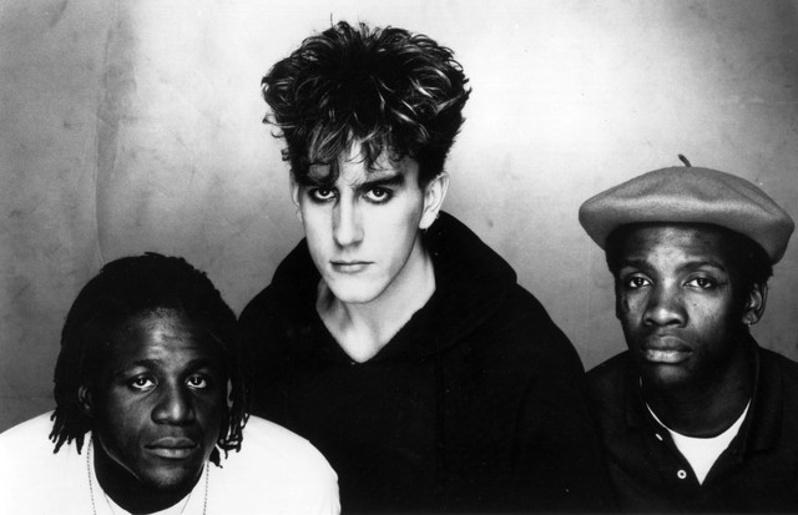
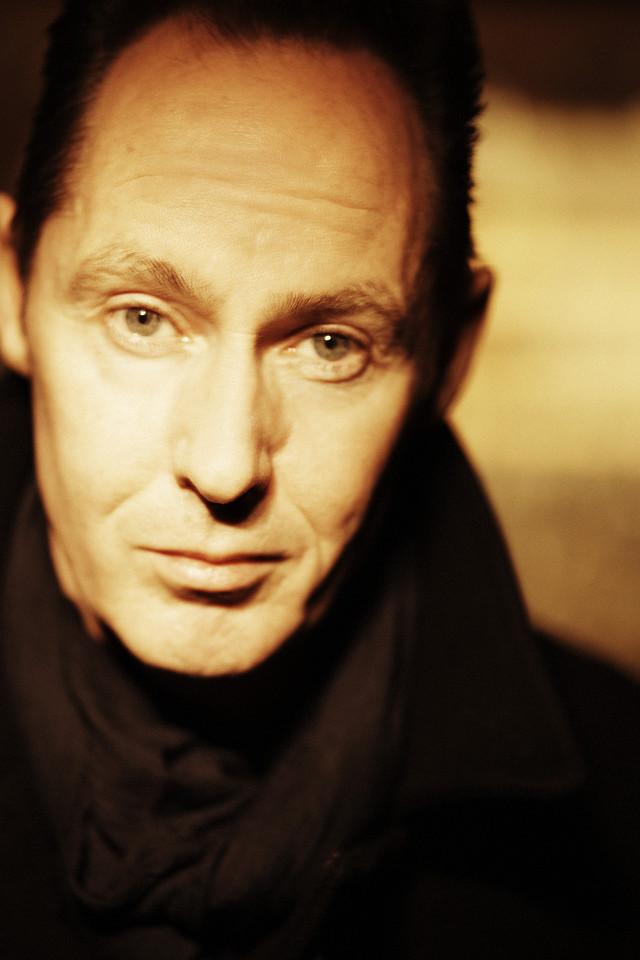
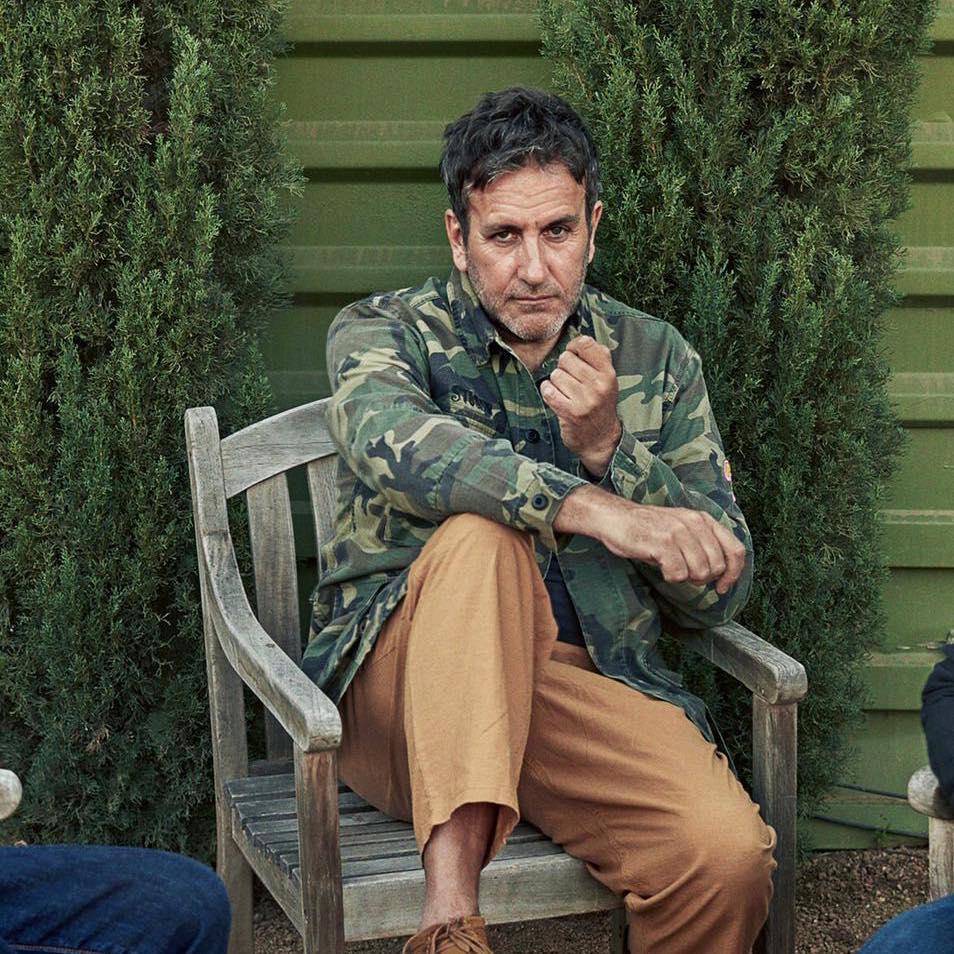
Terry Hall’s Spotify BioIn the strictest sense, Terry Hall isn't a musician. He doesn't play an instrument and his singing is generally flat and detached. But Hall is a great pop star, with a perfect look, a coolly laconic voice, and a knack for anticipating pop trends. As the frontman for the Specials, Hall shot to stardom in Britain in the early '80s, singing such classic ska revival singles as "Gangsters," "Nite Klub," and "Ghost Town" before leaving with the group's other vocalists to form the new wave pop group the Fun Boy Three. That trio began a long line of projects Hall pursued over the next decade. None of his groups recorded more than two albums, and each had a taste of British success. Of all these, the Fun Boy Three was the most successful, but he disbanded them within two years to form Colour Field, which led to Terry, Blair, & Anouchka, and then to a duo with David Stewart called Vegas. Each group led Hall closer to the pop mainstream, yet he remained an outsider, since he had no desire for… stardom. While his polished recordings only bore a slight resemblance to his seminal work with the Specials and Fun Boy Three, Hall's presence was stronger than ever in the mid-'90s, as a new generation of alternative artists, including Blur and Tricky, acknowledged his influence. All the praise coincided with the release of Home, Hall's first official solo album, which appeared in 1995, well over 15 years after he began his career.
Hall was singing with a new wave band called the Squad when Jerry Dammers recruited him to sing with the Specials. "Gangsters," the first single the Specials released, went into the Top Ten upon its release, establishing both the group and its independent label, 2-Tone, as a major pop force in England. For the next two years, the Specials were one of the most popular and influential bands in the U.K., scoring a streak of seven straight Top Ten singles. Their popularity culminated with the prophetic "Ghost Town," which spent three weeks at number one in the summer of 1981. The "Ghost Town" single was the last to feature Hall and the original lineup; after its release, Hall split with the group's other two vocalists, Lynval Golding and Neville Staples, to form Fun Boy Three.
Where the Specials were a ska revival band, Fun Boy Three were a new wave pop group with distinctly weird, skeletal, and experimental overtones. The band released their first single, "The Lunatics (Have Taken Over the Asylum)," shortly after they departed from the Specials. The single peaked at number 20 late in 1981. Early in 1982, the group charted again with "It Ain't What You Do (It's the Way That You Do It)," a duet with Bananarama on an old Jimmie Lunceford song. The Fun Boy Three finally released their eponymous debut in the spring of 1982. That summer, they had a hit with a cover of George Gershwin's "Summertime." The group recorded a second album with Talking Heads leader David Byrne late in 1982. The resulting album, Waiting, appeared in the spring of 1983, concurrently with the Top Ten singles "The Tunnel of Love" and "Our Lips Are Sealed," a song Hall wrote with Jane Wiedlin, who already made it into a hit the previous year with her group the Go-Go's.
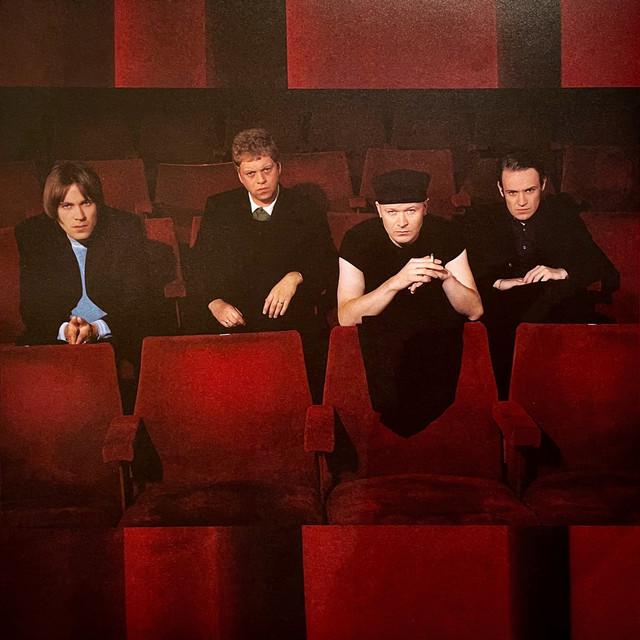
By the summer of 1983, the Fun Boy Three were peaking in popularity, and Hall disbanded the group. Hooking up with ex-Swinging Cats members Toby Lyons and Karl Shale, Hall moved to Manchester and formed the Colour Field, a more lush and melodic outfit than the Fun Boy Three. In January of 1984, the band released their first single, "The Colour Field," which just missed the Top 40. It was followed later that summer with "Take," which didn't even come close to the Top 40. The Colour Field had its first hit in January of 1985, when "Thinking of You" reached number 12. It was followed by "Castles in the Air," another failed single that preceded the release of their debut album, Virgins and Philistines, by just a few weeks. Like the band's singles, Virgins and Philistines failed to gain a large audience for the Colour Field. The band released a second album, Deception, in the spring of 1987. During the sessions, Lyons left the band, leaving Hall to finish the album by himself; to complete it, Hall hired Raquel Welch's band.
After the Colour Field imploded, Hall formed a trio with an American actress called Blair Booth and a jeweler called Anouchka Groce. Terry, Blair, and Anouchka explored Hall's love for '60s pop, as well as kitschy mainstream pop, as evidenced on the trio's cover of Captain & Tennille's "Love Will Keep Us Together." "Missing," the group's first single, was released in the fall of 1989 and it didn't make much of an impact, peaking at number 75 on the British charts. The trio's second single, "Ultra Modern Nursery Rhyme," didn't even chart. Terry, Blair, and Anouchka's debut album, also called Ultra Modern Nursery Rhyme, was released in February of 1990 to little attention.
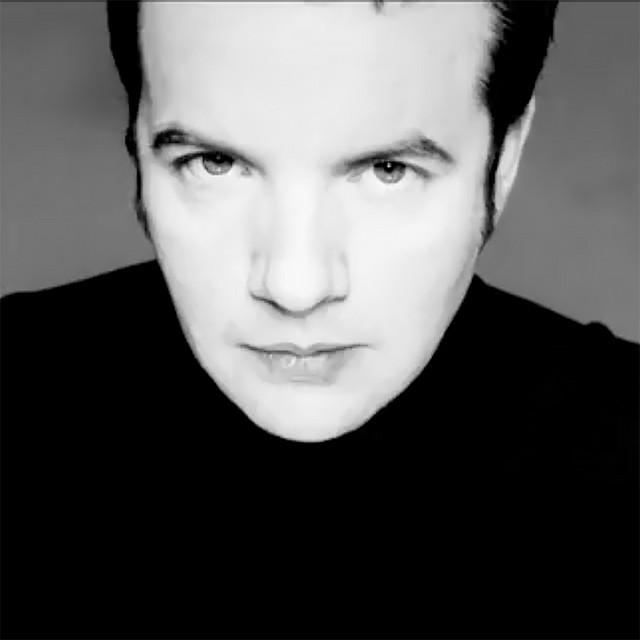
Two years later, Hall returned with Vegas, a one-shot collaboration with Dave Stewart from the Eurythmics. Vegas' eponymous album was released in the fall of 1992 and yielded three minor U.K. hits: "Possessed," "She," and "Walk Into the Wind." Vegas wasn't particularly successful and the duo disbanded in early 1993. Hall released his first official solo, Home, in the spring of 1995 to mild interest. After its release, he collaborated on a new single, "Chasing a Rainbow," with Blur's Damon Albarn. The single was a minor hit and was added to a re-release of Home later in the year. Early in 1996, Hall was featured in Tricky's side project Nearly God, singing on the single "Poems."
In 2008, the Specials staged a reunion tour, featuring Hall and the rest of the classic lineup minus keyboard player Jerry Dammers. The band's initial live dates were joyously received by fans and the press, and they steadily played festivals and headlining dates for the next several years. Concerts from 2011 were recorded for a live album, released in 2012 as More ... Or Less. The Specials Live, and the core of the group -- Hall, Lynval Golding, and Horace Panter -- cut a studio album, Encore, in 2019. Another studio set, a collection of covers titled Protest Songs 1924-2012, was recorded and issued in 2021 as plans to record a roots reggae album were sidelined by the COVID-19 pandemic. Hall and his collaborators planned to return to work on the reggae album in 2022, but Hall fell ill and was diagnosed with pancreatic cancer; he spent most of the year in the hospital. Terry Hall died on December 18, 2022, at the age of 63. ~ Stephen Thomas Erlewine, Rovi
Viberate is a music analytics platform built for A&Rs, artist managers, labels, booking agents, marketers, and artists.
It helps music professionals track artist growth, analyze audience data, monitor playlist activity, compare artists, follow song performance, and identify opportunities across the music market.
Public artist pages provide a free preview of selected artist data. Paid plans provide access to deeper analytics, historical data, charts, comparisons, playlist tools, exports, alerts, reports, and additional professional features.
Yes. Public Viberate artist pages provide selected artist analytics and music data for free.
Viberate also offers a 7-day free trial of the full platform. A credit card is required to start the trial. The trial includes access to the complete product so users can test deeper artist analytics, historical views, playlist insights, comparisons, charts, exports, alerts, and reporting features before choosing a paid plan.
Viberate provides artist analytics across streaming, playlists, social media, video, radio airplay, songs, and audience markets.
Users can analyze Spotify performance, Spotify and Apple Music playlists, YouTube activity, TikTok and Instagram growth, radio spins, song performance, audience locations, demographics, rankings, and overall artist momentum.
Artist profiles also connect to music charts, similar artists, and comparison tools, helping users benchmark performance and evaluate artists in context.
Viberate updates key artist and track data daily.
For followed artists and tracks, selected data is refreshed multiple times per day. This helps teams monitor playlist changes, streaming movement, audience growth, releases, and campaign performance with more current data.
Update frequency can vary depending on the metric and data source.
Yes. Viberate lets users compare up to five artists side by side across streaming, social media, audience, and engagement metrics.
Users can compare fanbase growth, audience demographics, locations, Spotify performance, social metrics, and other artist data over selected time periods.
Artist comparison can be used for A&R scouting, benchmarking, booking decisions, campaign planning, and evaluating artists with similar audiences or market positions.