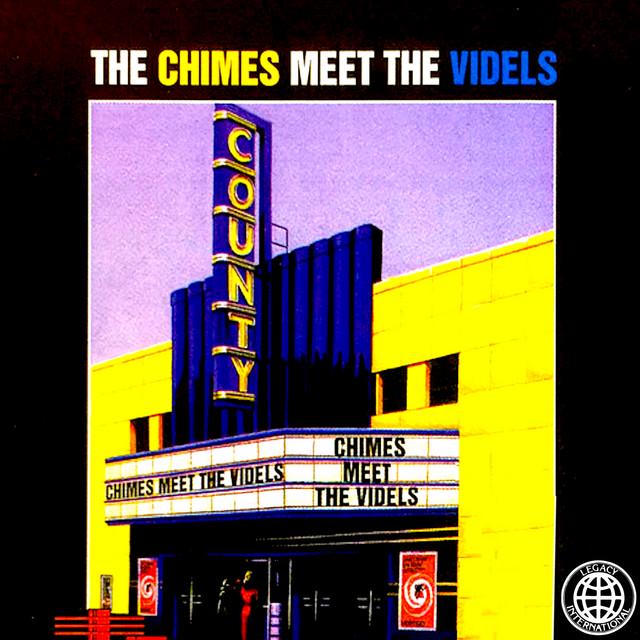
The Chimes

Pop
Mainstream Pop
Soul
 Viberate Rank: 153751
 Viberate Rank: 153751
 Monthly ListenersFollowers
 Subscribers
 Followers
 Followers
 FansTop Spotify Songs
| Track | 7-Day Streams | |
|---|---|---|
1 | 5.72K | |
2 | 1.61K | |
3 | 1.41K | |
4 | 633 | |
5 | 349 |
Top YouTube VideosMonthly ListenersFeatured in Playlists| Playlist | Followers | |
|---|---|---|
1 | Lowrider oldies Pinchekodiak | 91.32K |
2 |  old fashioned slow dancing with your soulmate Natalie Nguyen | 82.08K |
3 | Doo Wop Classics Drew Kellerman | 48.05K |
4 |  Essential Classics Essential Classics | 31.39K |
5 |  1950's/Early 1960's Playlist Anthony Battaglia | 25.93K |
Audience| City | Monthly Listeners | |
|---|---|---|
1 | | 689 |
2 | | 385 |
3 | | 358 |
4 | | 310 |
5 | | 261 |
See full performance history, audience data, playlist activity, rankings, comparisons, and more in Viberate music analytics. Start with a free trial, then continue with a paid plan.
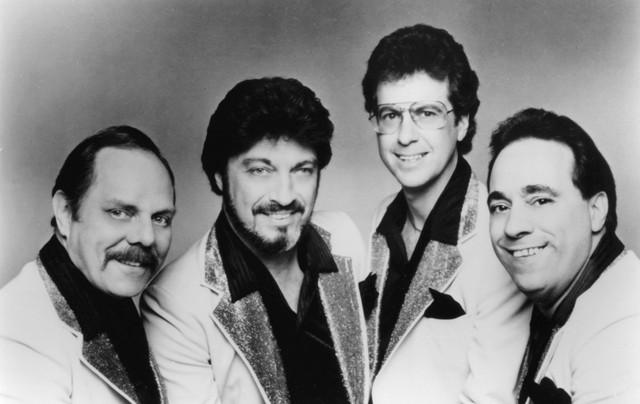
The Chimes’ Spotify BioThere may well have been hundreds of groups during the 1950s that used the name the Chimes. Only the quintet from Brooklyn -- Lenny Cocco (lead), Pat DePrisco (first tenor), Richard Mercado (second tenor), Joseph Croce (baritone), Pat McGuire (bass) -- ever made the charts, however, or became more than local stars.
Lenny Cocco, the son of a Brooklyn accordion player, organized the group in the mid-'50s, and their first record was a vocal arrangement of the old Tommy Dorsey hit "Once in a While," which was issued on the Tag label. The quintet scored right out of the box as that record reached number 11, which led to a follow-up record, a recording of the 1930s standard "I'm in the Mood for Love." By 1962, they were cutting songs under the name Lenny & the Chimes. They left Tag Records in 1963, jumping first to Metro and then to Laurie, before releasing a single, "Two Times," on Vee Jay in 1964. The group broke up in 1964 amid the onslaught of the British Invasion and the collapse of Vee… Jay, but they have re-formed, usually as Lenny & the Chimes, in various configurations for oldies shows since the early '70s. ~ Bruce Eder, Rovi
Viberate is a music analytics platform built for A&Rs, artist managers, labels, booking agents, marketers, and artists.
It helps music professionals track artist growth, analyze audience data, monitor playlist activity, compare artists, follow song performance, and identify opportunities across the music market.
Public artist pages provide a free preview of selected artist data. Paid plans provide access to deeper analytics, historical data, charts, comparisons, playlist tools, exports, alerts, reports, and additional professional features.
Yes. Public Viberate artist pages provide selected artist analytics and music data for free.
Viberate also offers a 7-day free trial of the full platform. A credit card is required to start the trial. The trial includes access to the complete product so users can test deeper artist analytics, historical views, playlist insights, comparisons, charts, exports, alerts, and reporting features before choosing a paid plan.
Viberate provides artist analytics across streaming, playlists, social media, video, radio airplay, songs, and audience markets.
Users can analyze Spotify performance, Spotify and Apple Music playlists, YouTube activity, TikTok and Instagram growth, radio spins, song performance, audience locations, demographics, rankings, and overall artist momentum.
Artist profiles also connect to music charts, similar artists, and comparison tools, helping users benchmark performance and evaluate artists in context.
Viberate updates key artist and track data daily.
For followed artists and tracks, selected data is refreshed multiple times per day. This helps teams monitor playlist changes, streaming movement, audience growth, releases, and campaign performance with more current data.
Update frequency can vary depending on the metric and data source.
Yes. Viberate lets users compare up to five artists side by side across streaming, social media, audience, and engagement metrics.
Users can compare fanbase growth, audience demographics, locations, Spotify performance, social metrics, and other artist data over selected time periods.
Artist comparison can be used for A&R scouting, benchmarking, booking decisions, campaign planning, and evaluating artists with similar audiences or market positions.