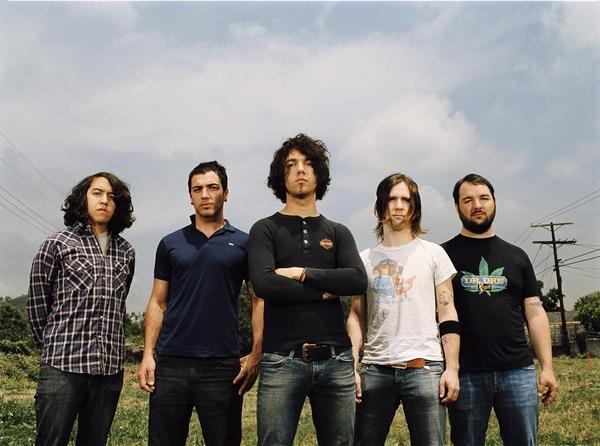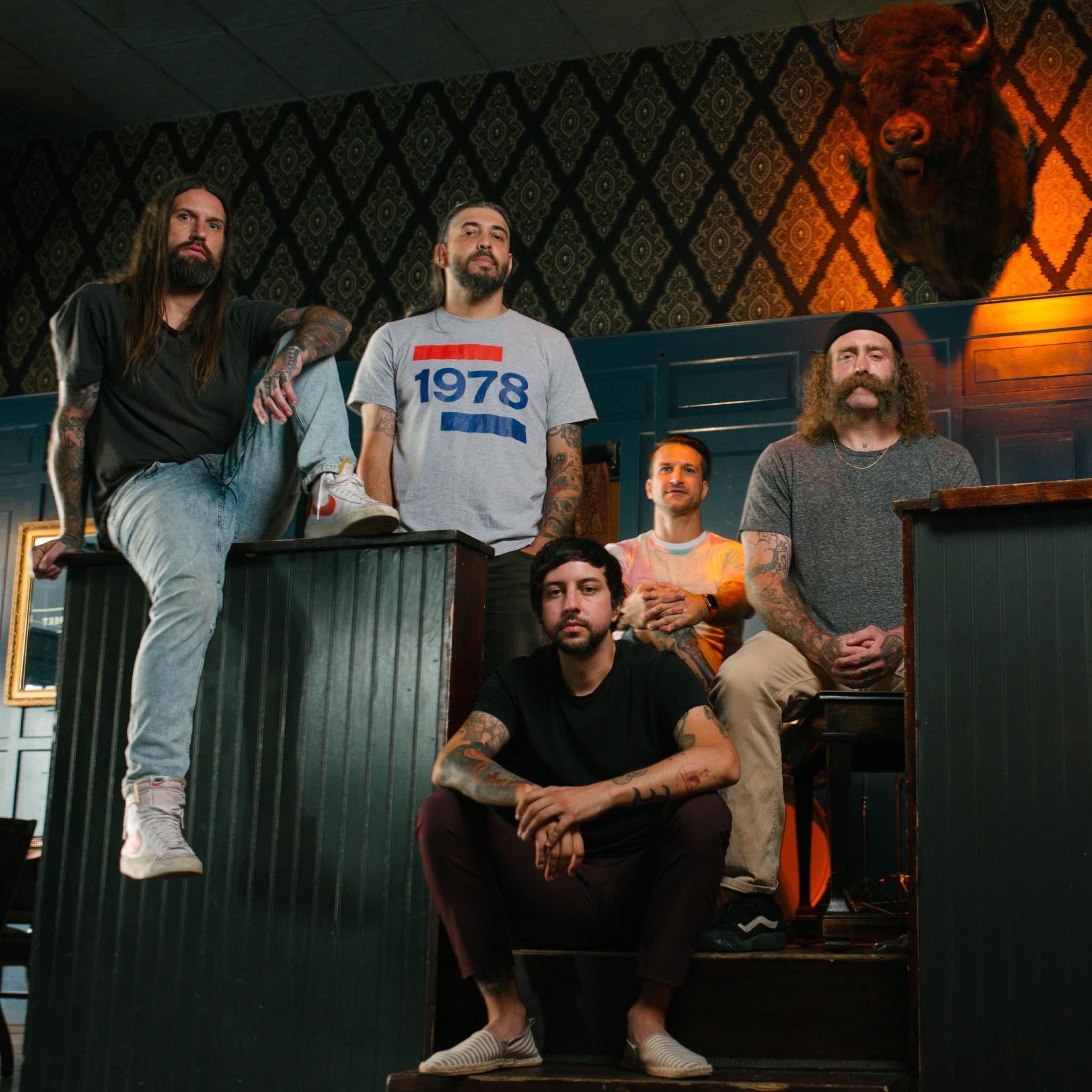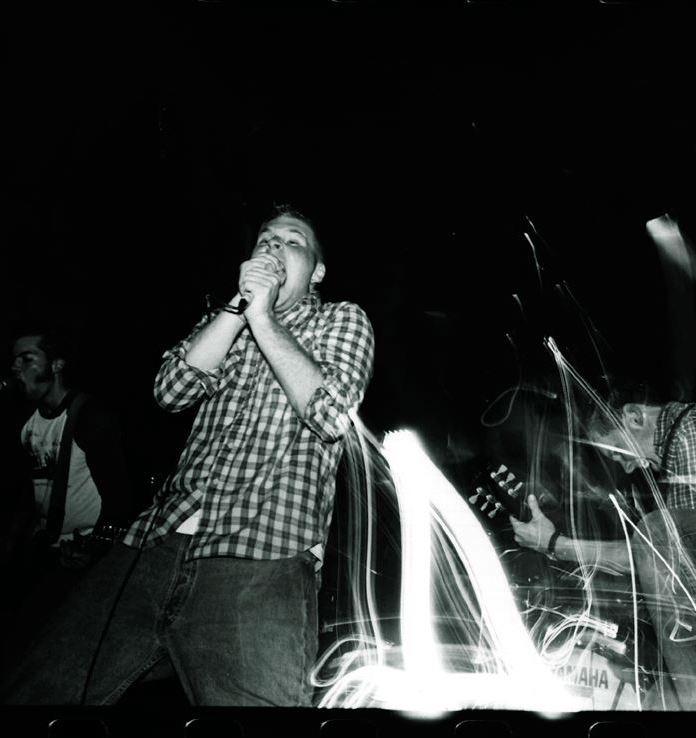
The Chariot

Metal
Metalcore/Deathcore
Hardcore Punk
 Viberate Rank: 67387
 Viberate Rank: 67387
 Monthly ListenersFollowers
 Subscribers
 Followers
 Followers
 FansTop Spotify Songs
| Track | 7-Day Streams | |
|---|---|---|
1 | 4.79K | |
2 | 3.26K | |
3 | 3.20K | |
4 | 3.05K | |
5 | 2.93K |
Top YouTube VideosMonthly ListenersFeatured in Playlists| Playlist | Followers | |
|---|---|---|
1 | sad metal songs. Sebastian Finta | 78.47K |
2 |  2000s Metalcore ('00-'09) Loudwire | 16.26K |
3 |  Ultimate Workout Playlist (Updated Weekly) Bodybuilding.com | 10.22K |
4 |  Heavy Metal Workout | Bodybuilding.com Bodybuilding.com | 7.83K |
5 |  Mathcore Morgan Davies | 7.51K |
Audience| City | Monthly Listeners | |
|---|---|---|
1 | | 849 |
2 | | 666 |
3 | | 664 |
4 | | 608 |
5 | | 594 |
See full performance history, audience data, playlist activity, rankings, comparisons, and more in Viberate music analytics. Start with a free trial, then continue with a paid plan.
The Chariot’s Spotify BioAtlanta-based post-hardcore/alternative metal act the Chariot is a showcase for singer Josh Scogin. Formerly frontman for the popular Christian nu-metallers Norma Jean (originally known as Luti-Kriss, before Dirty South rapper Ludacris eclipsed their limited popularity), Scogin left Norma Jean for undisclosed personal reasons in 2003, following the release of their second album. Largely dispensing with the rap-rock and nu-metal aspects of Norma Jean in favor of a punkier metalcore direction, Scogin almost immediately formed the Chariot with members of other area metal and CCM groups.
The original lineup of the Chariot consisted of Scogin, singer and guitarist Keller Harbin, guitarist Tony Medina, bassist Joshua Beiser, and drummer Jeff Carter. Signing to the popular Christian indie rock label Solid State Records in 2004, the band debuted later that year with the almost operatically titled Everything Is Alive, Everything Is Breathing, Nothing Is Dead and Nothing Is Bleeding. Following… the subsequent release of a live DVD, Ladies and Gentlemen, the Chariot, Medina and Carter left the band; new drummer Mark Nicks debuted on the 2005 EP Unsung, but was replaced by Jake Ryan before sessions began for the band's second full-length, The Fiancee. After the album was recorded, Beiser and Harbin left the Chariot (Harbin joining Every Time I Die) and were replaced by Jon Terry and Dan Eaton in time for an extensive North American package tour with other bands from the Solid State Records roster.
Delayed by the rapid changeover in band personnel, The Fiancee eventually surfaced in early April 2007 with new bassist Jon "KC Wolf" Kindler on board. Terry and Eaton's time in the band would be short-lived, with the pair being replaced by Bryan Russell Taylor and Stephen Harrison before the release of the band's 2010 album, Long Live. Taylor would be the next casualty of the Chariot's revolving-door lineup, with replacement Brandon Henderson coming on board in 2011. Further lineup changes found Kindler leaving the band to attend college with Henderson and Harrison taking over bass duties in the studio. The Chariot's fifth album, One Wing, featuring production from the band's longtime engineer/producer Matt Gordon, arrived in 2012. ~ Stewart Mason, Rovi
Viberate is a music analytics platform built for A&Rs, artist managers, labels, booking agents, marketers, and artists.
It helps music professionals track artist growth, analyze audience data, monitor playlist activity, compare artists, follow song performance, and identify opportunities across the music market.
Public artist pages provide a free preview of selected artist data. Paid plans provide access to deeper analytics, historical data, charts, comparisons, playlist tools, exports, alerts, reports, and additional professional features.
Yes. Public Viberate artist pages provide selected artist analytics and music data for free.
Viberate also offers a 7-day free trial of the full platform. A credit card is required to start the trial. The trial includes access to the complete product so users can test deeper artist analytics, historical views, playlist insights, comparisons, charts, exports, alerts, and reporting features before choosing a paid plan.
Viberate provides artist analytics across streaming, playlists, social media, video, radio airplay, songs, and audience markets.
Users can analyze Spotify performance, Spotify and Apple Music playlists, YouTube activity, TikTok and Instagram growth, radio spins, song performance, audience locations, demographics, rankings, and overall artist momentum.
Artist profiles also connect to music charts, similar artists, and comparison tools, helping users benchmark performance and evaluate artists in context.
Viberate updates key artist and track data daily.
For followed artists and tracks, selected data is refreshed multiple times per day. This helps teams monitor playlist changes, streaming movement, audience growth, releases, and campaign performance with more current data.
Update frequency can vary depending on the metric and data source.
Yes. Viberate lets users compare up to five artists side by side across streaming, social media, audience, and engagement metrics.
Users can compare fanbase growth, audience demographics, locations, Spotify performance, social metrics, and other artist data over selected time periods.
Artist comparison can be used for A&R scouting, benchmarking, booking decisions, campaign planning, and evaluating artists with similar audiences or market positions.