Botch

Metal
Metalcore/Deathcore
Heavy Metal
 Viberate Rank: 110781
 Viberate Rank: 110781
 Monthly ListenersFollowers
 Subscribers
 Followers
 Followers
 FansTop Spotify Songs
| Track | 7-Day Streams | |
|---|---|---|
1 | 4.06K | |
2 | 4.06K | |
3 | 2.78K | |
4 | 2.07K | |
5 | 1.77K |
Top YouTube VideosMonthly ListenersFeatured in Playlists| Playlist | Followers | |
|---|---|---|
1 | sad metal songs. Sebastian Finta | 78.46K |
2 |  We're Going on an Adventure Valspire Family | 8.55K |
3 |  Mathcore Morgan Davies | 7.51K |
4 |  The Sound of Sludge Metal The Sounds of Spotify | 7.44K |
5 |  HOUSE OF GUCCI OST SOUNDTRACK 2021 wokbeatz | 6.71K |
Audience| City | Monthly Listeners | |
|---|---|---|
1 | | 494 |
2 | | 450 |
3 | | 434 |
4 | | 389 |
5 | | 385 |
See full performance history, audience data, playlist activity, rankings, comparisons, and more in Viberate music analytics. Start with a free trial, then continue with a paid plan.
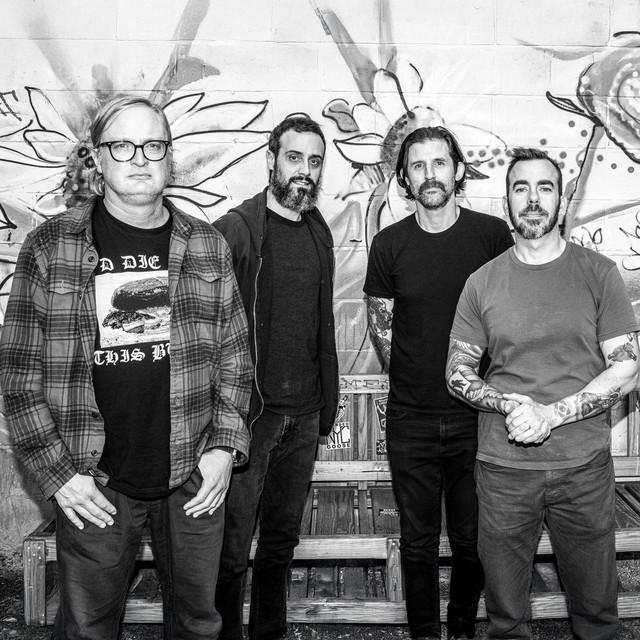
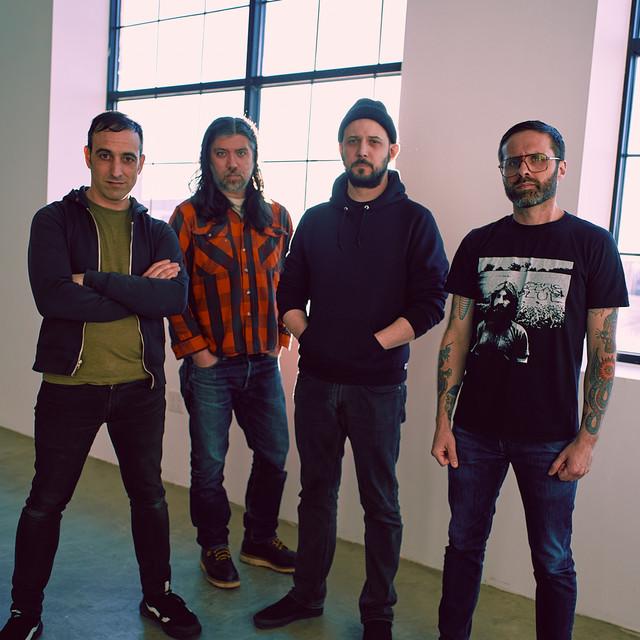
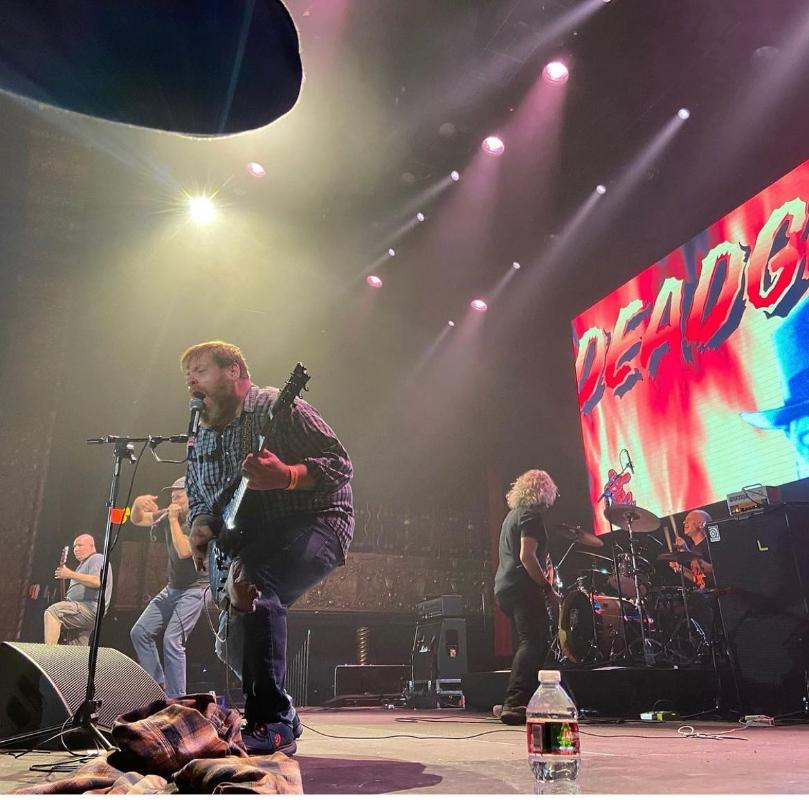
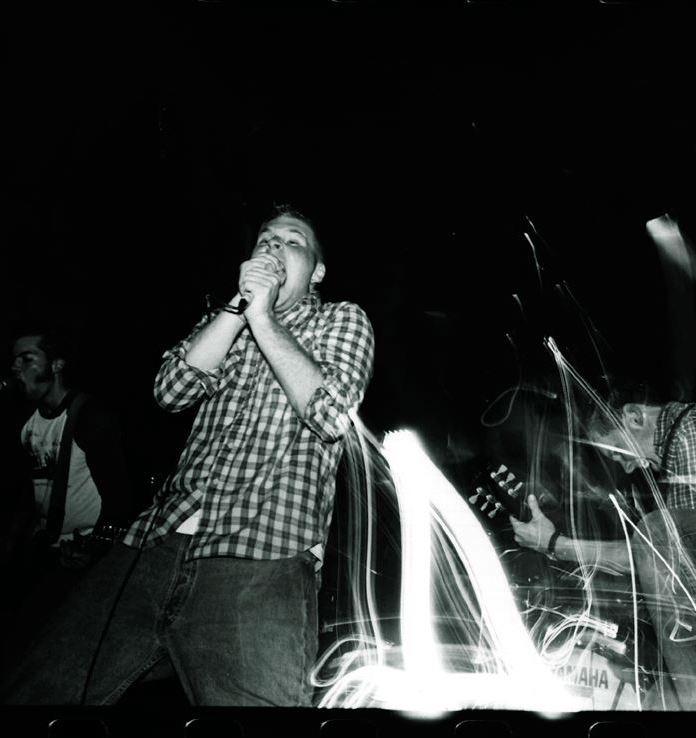
Botch’s Spotify BioSeattle, WA's Botch is at the forefront of a near revolution in sound in heavy music. A virulent strain of progressive, underground, and sometimes violent heavy metal-infused guitar histrionics steeped deeply in hardcore punk scene aesthetics and the much touted D.I.Y. ethic, with many that community's lowest common denominator, tough-guy minded inflections thankfully absent. It's a subgenre that is most often labeled noisecore. Much like their noisecore peers in bands like Converge and Isis, Botch's sound balks at the established conventions and preconceived limitations of the hardcore genre, with the quartet tastefully and artfully crafting complex, mathematical musical compositions with dexterity, depth, and skill. Advertising copy once appropriately called the band evil math rock. Vocalist Dave Verellen takes his lyrical conceptualization very seriously, filling the band's records with stark metaphors and often incredibly wordy song titles. Botch formed in 1993 when Verellen hooked… up with his high school chums Tim Latona (drums), Brian Cook (bass), and guitarist David Knudson -- a lineup that has endured over the years, avoiding the constant changes that many of the band's peers undergo. Two years later, Botch released their first demo on cassette and toured behind it. In 1997, the band joined forces with Boston's Hydra Head Records imprint, a sometimes home to such noisecore genre standard bearers as Cave In, Drowning Man, and other bands. Botch released their first full-length album, American Nervoso, that same year. It was an album that showcased Knudson's incredible guitar playing talents that would soon see him recognized as one of the best players in the underground scene. 1999 saw the release of Botch's We Are the Romans, a profoundly dense, conceptually driven, and meticulously crafted thematic tour de force that heightened the band's notoriety amongst the metal press and garnered them further touring opportunities, including a trip across the pond to Europe (their second) in support of friends/like-minded musicians Dillinger Escape Plan. The next two years saw the band performing live, including an appearance at Krazy Fest 4 in Louisville, KY. ~ Ryan J. Downey, Rovi
Viberate is a music analytics platform built for A&Rs, artist managers, labels, booking agents, marketers, and artists.
It helps music professionals track artist growth, analyze audience data, monitor playlist activity, compare artists, follow song performance, and identify opportunities across the music market.
Public artist pages provide a free preview of selected artist data. Paid plans provide access to deeper analytics, historical data, charts, comparisons, playlist tools, exports, alerts, reports, and additional professional features.
Yes. Public Viberate artist pages provide selected artist analytics and music data for free.
Viberate also offers a 7-day free trial of the full platform. A credit card is required to start the trial. The trial includes access to the complete product so users can test deeper artist analytics, historical views, playlist insights, comparisons, charts, exports, alerts, and reporting features before choosing a paid plan.
Viberate provides artist analytics across streaming, playlists, social media, video, radio airplay, songs, and audience markets.
Users can analyze Spotify performance, Spotify and Apple Music playlists, YouTube activity, TikTok and Instagram growth, radio spins, song performance, audience locations, demographics, rankings, and overall artist momentum.
Artist profiles also connect to music charts, similar artists, and comparison tools, helping users benchmark performance and evaluate artists in context.
Viberate updates key artist and track data daily.
For followed artists and tracks, selected data is refreshed multiple times per day. This helps teams monitor playlist changes, streaming movement, audience growth, releases, and campaign performance with more current data.
Update frequency can vary depending on the metric and data source.
Yes. Viberate lets users compare up to five artists side by side across streaming, social media, audience, and engagement metrics.
Users can compare fanbase growth, audience demographics, locations, Spotify performance, social metrics, and other artist data over selected time periods.
Artist comparison can be used for A&R scouting, benchmarking, booking decisions, campaign planning, and evaluating artists with similar audiences or market positions.