ZAO

Metal
Metalcore/Deathcore
 Viberate Rank: 101799
 Viberate Rank: 101799
 Monthly ListenersFollowers
 Subscribers
 Followers
 Followers
 FansTop Spotify Songs
| Track | 7-Day Streams | |
|---|---|---|
1 | 6.03K | |
2 | 3.01K | |
3 | 1.99K | |
4 | 1.79K | |
5 | 1.10K |
Top YouTube VideosMonthly ListenersFeatured in Playlists| Playlist | Followers | |
|---|---|---|
1 |  Metalcore Classics Spotify | 582.28K |
2 | sad metal songs. Sebastian Finta | 78.47K |
3 |  The Sound of Everything The Sounds of Spotify | 53.82K |
4 | ROCK GOSPEL INTERNACIONAL cristyan.oliver | 19.32K |
5 |  2000s Metalcore ('00-'09) Loudwire | 16.26K |
Audience| City | Monthly Listeners | |
|---|---|---|
1 | | 557 |
2 | | 556 |
3 | | 548 |
4 | | 465 |
5 | | 427 |
See full performance history, audience data, playlist activity, rankings, comparisons, and more in Viberate music analytics. Start with a free trial, then continue with a paid plan.
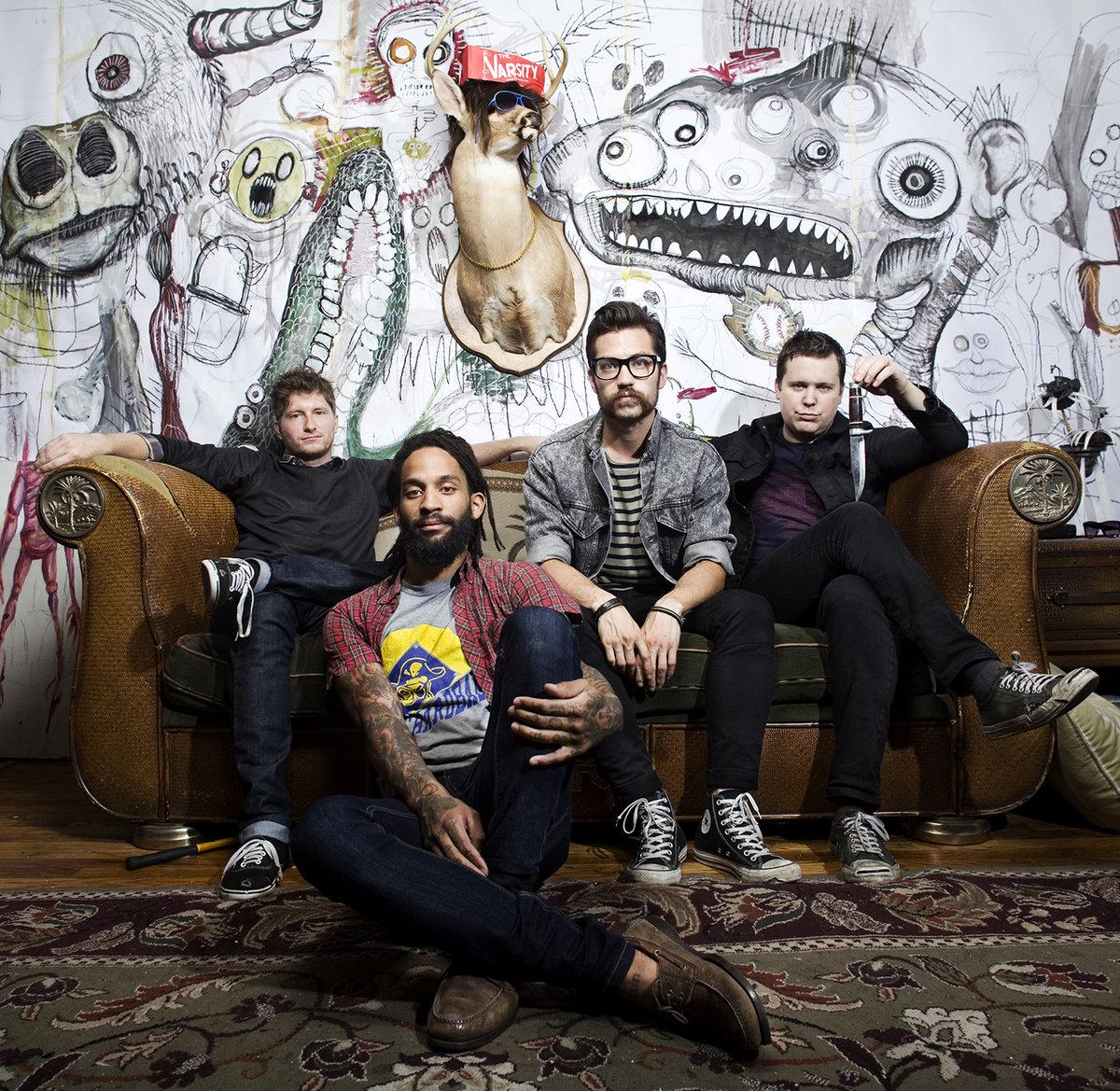
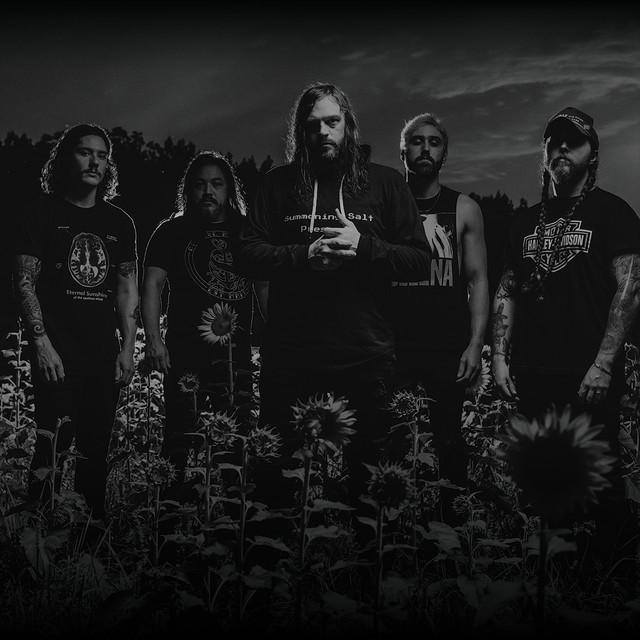
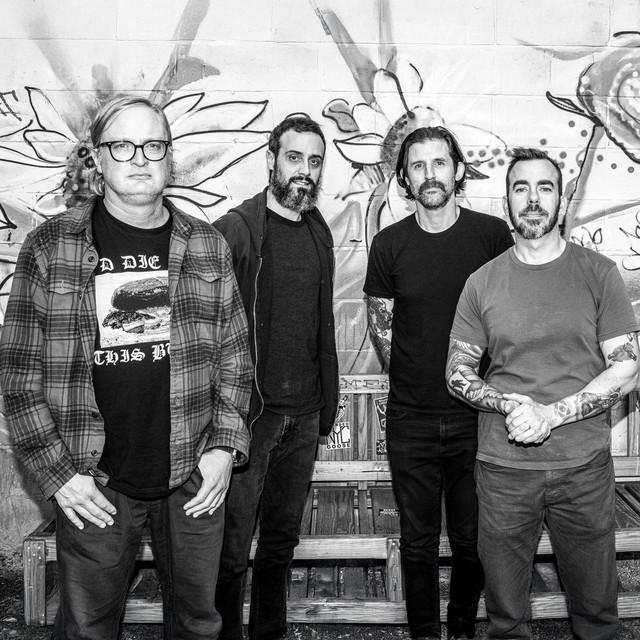
ZAO’s Spotify BioA staple of the annual Cornerstone Festivals, Zao is perhaps the first metalcore band with roots in the Christian music scene to enjoy a credible, respected position in the mainstream realms of hardcore and metal. Emerging in 1995 with All Else Failed, the group's tonsil-shredding vocals and lack of apprehension about straying from proven formulas, genre restrictions, and labels of any kind helped yielded them a global fan base. Despite enduring myriad lineup changes over the decades, Zao have remained prolific and enduring, releasing dozens of acclaimed efforts like Parade of Chaos (2002), Awake? (2009), and The Crimson Corridor (2021) that transcend both genres and ideologies.
The influential Zao (Greek for "alive") began in 1996 in Parkersburg, West Virginia (later relocating to Greensburg, Pennsylvania), when multi-instrumentalist/drummer/founding member Jesse Smith gathered some friends together with the intention of starting a ministry-oriented, faith-based hardcore band similar… to so-called "spirit-filled" groups like Unashamed and secular acts Unbroken and Earth Crisis. He bought his first drum kit the weekend he formed the band. Their first release was a split with the group Outcast on a small Ohio label, followed by the All Else Failed full-length album. This gained the attention of Seattle's Tooth & Nail Records, which signed Zao to a lengthy contract and released The Splinter Shards the Birth of Separation in 1997. The band became the flagship act for the label's hardcore-oriented Solid State imprint.
After touring for the album, Smith found himself without a lineup as every other member exited following 1997's Cornerstone Fest. Determined to press forward, he recruited guitarists Brett Detar and Russ Cogdell, and vocalist Daniel Weyandt, and without a bassist redefined the Zao sound and produced Where Blood and Fire Bring Rest, a mournful, poetic, and incisive metallic testament to perseverance and overcoming all odds. The album signaled a shift in focus from the outright preaching of Christianity to a more personalized wordplay. It also saw the band musically moving far away from their initial influences and defining themselves as a formidable entity all their own. Zao toured relentlessly behind the album's release, and in 1998 produced a split with one of their touring mates, Sacramento, California's Training for Utopia, dubbed simply Training for Utopia/Zao.
Detar left the group shortly after the EP's release to focus on his then side project the Juliana Theory. He was replaced by former Creation Is Crucifixion guitarist Scott Mellinger. Rob Horner was the next man to join the group, filling the long-vacant bass position. This lineup crafted Liberate Te Ex Inferis, a slightly more experimental yet still heavy album, in 1999. The set incorporated Neurosis-like meditations, further lyrical storytelling (including the tale of a doomed, true-to-life porn star), and flashy photography. Horner left briefly and Weyandt took over bass duties in addition to singing. Cory Darst replaced Weyandt for one tour before Horner returned. Cogdell left next and Weyandt returned, with Zao making Self-Titled in late 2000 as a four-piece and releasing it that same year. The album served as an all-new Zao mission statement, building on the band's past strengths while dipping into moody atmospherics reminiscent of Portishead, Massive Attack, or perhaps even the oft-cited Radiohead.
Shortly after the album's release, Darst replaced Weyandt full-time as an official member of the band. In 2001, Zao recorded three songs at a Seattle studio and toured with renewed vigor. In early 2002, both Horner and Darst exited the group, with Weyandt and Cogdell coming back on board as Zao re-signed to Solid State for two more albums. Parade of Chaos appeared in July, a month before that lineup of Zao broke up. This was far from the end, however, and the band reunited for two Cornerstone performances in 2003 and was permanently back together by the year's end. (Society's Finest vocalist Joshua Ashworth briefly replaced Weyandt.) A series of demos was cut that same year for a fledgling label that never quite got off the ground, so the band was instead snatched up by Ferret. Meanwhile, the best-of album Legendary surfaced the following year on Solid State.
By now, Zao included Weyandt, Mellinger, and Cogdell alongside new recruits Shawn Koschik (bass) and Stephen Peck (drums). Together, they recorded their Ferret debut, the conceptual The Funeral of God, which was released in the summer of 2004; it earned the guys praise from the metal scene and their first airplay on MTV. Lots of touring commenced over the next two years, playing well-received sets with bands like the Dillinger Escape Plan, the Juliana Theory, and Every Time I Die. Peck made his leave in mid-2005 and was replaced on drums by Jeff Gretz in time for U.S. and U.K. dates with Bleeding Through and their stint at 2005's Warped Tour. During Warped, however, Cogdell suffered a knee injury, which ultimately caused his departure. That fall, Zao continued on as a four-piece comprising Mellinger, Weyandt, Gretz, and bassist Marty Lunn. The Steve Albini-produced The Fear Is What Keeps Us Here was next issued in the summer of 2006. Early the next year, a healed-up Cogdell rejoined Zao's ranks as Gretz left to join From Autumn to Ashes, and in 2008 the band issued their ninth studio long-player, Awake?
An unofficial five-year hiatus followed, with bandmembers focusing on side projects like Lonely Ghost Parade and Young Fox, but the group eventually returned to the studio, releasing the Xenophobe EP in 2015 and the full-length Well-Intentioned Virus the following year. The band showed no signs of slowing down in 2017, issuing the EP Pyrrhic Victory, and in 2021 they unveiled their 12th full-length effort, the uncompromising Crimson Corridor. ~ Ryan J. Downey, Rovi
Viberate is a music analytics platform built for A&Rs, artist managers, labels, booking agents, marketers, and artists.
It helps music professionals track artist growth, analyze audience data, monitor playlist activity, compare artists, follow song performance, and identify opportunities across the music market.
Public artist pages provide a free preview of selected artist data. Paid plans provide access to deeper analytics, historical data, charts, comparisons, playlist tools, exports, alerts, reports, and additional professional features.
Yes. Public Viberate artist pages provide selected artist analytics and music data for free.
Viberate also offers a 7-day free trial of the full platform. A credit card is required to start the trial. The trial includes access to the complete product so users can test deeper artist analytics, historical views, playlist insights, comparisons, charts, exports, alerts, and reporting features before choosing a paid plan.
Viberate provides artist analytics across streaming, playlists, social media, video, radio airplay, songs, and audience markets.
Users can analyze Spotify performance, Spotify and Apple Music playlists, YouTube activity, TikTok and Instagram growth, radio spins, song performance, audience locations, demographics, rankings, and overall artist momentum.
Artist profiles also connect to music charts, similar artists, and comparison tools, helping users benchmark performance and evaluate artists in context.
Viberate updates key artist and track data daily.
For followed artists and tracks, selected data is refreshed multiple times per day. This helps teams monitor playlist changes, streaming movement, audience growth, releases, and campaign performance with more current data.
Update frequency can vary depending on the metric and data source.
Yes. Viberate lets users compare up to five artists side by side across streaming, social media, audience, and engagement metrics.
Users can compare fanbase growth, audience demographics, locations, Spotify performance, social metrics, and other artist data over selected time periods.
Artist comparison can be used for A&R scouting, benchmarking, booking decisions, campaign planning, and evaluating artists with similar audiences or market positions.