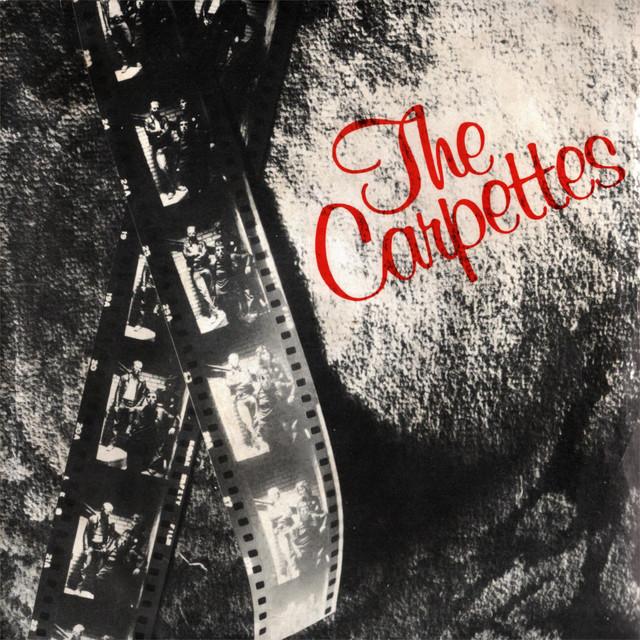
The Carpettes

Punk
Punk Rock
Power Pop
 Viberate Rank: 349061
 Viberate Rank: 349061
 Monthly ListenersFollowers
 Subscribers
 Followers
 Followers
 FansTop Spotify Songs
| Track | 7-Day Streams | |
|---|---|---|
1 | 298 | |
2 | 227 | |
3 | 112 | |
4 | 73 | |
5 | 29 |
Top YouTube VideosMonthly ListenersFeatured in Playlists| Playlist | Followers | |
|---|---|---|
1 | British Punk Rock (1976 - Present) Punkyn | 14.78K |
2 |  Soul Jazz Records Martin Abrams | 5.42K |
3 | Power Pop/Punk Oldies de11even | 3.52K |
4 | POWER POP Hayley Grimes | 3.41K |
5 |  British Punk Rock 1977-1980 Vol. 1 James Gunn | 3.23K |
Audience| City | Monthly Listeners | |
|---|---|---|
1 |  | 55 |
2 |  | 34 |
3 | | 29 |
4 |  | 28 |
5 | | 27 |
See full performance history, audience data, playlist activity, rankings, comparisons, and more in Viberate music analytics. Start with a free trial, then continue with a paid plan.
The Carpettes’ Spotify BioOne of the handful of bands that successfully negotiated the musical shifts that led from punk to mod at the end of the 1970s, the Carpettes originally formed while at school in 1974, as the heavily Stones-influenced Brown Sugar. Based in Houghton-le-Spring, near Sunderland, the founding lineup of Neil Thompson (vocals), George Maddison (bass), and Kevin Heard (drums) went through a succession of names (and minor lineup changes) before re-forming in spring 1977 as the Carpettes. A locally recorded demo brought the band to the attention of the Small Wonder label, and late 1977 saw the release of the band's debut, the four-song EP How About Me and You. The group relocated to London around this same time, but a period of unrest saw the Carpettes' initial impetus fade. Heard departed, to be replaced by ex-Young Bucks drummer Tim Wilder, who himself was then replaced by former Merton Parkas percussionist Simon Smith. But Smith was only passing through, and Wilder returned in time for the… band's next single, "Small Wonder."
Shifting to the Beggars Banquet label, the Carpettes cut their debut album in 1979, the perhaps aptly titled Frustration Paradise. The group's absorption into the percolating mod revival brought them considerable live success, but neither album nor singles "I Don't Mean It" and "Johnny Won't Hurt You" could capitalize on their visibility. Nor, the following year, could a new album, Fight Amongst Yourselves, and the Carpettes broke up in June 1981, bowing out with a farewell show at the Clarendon Hotel. The band reunited in 1996 to play the first Holidays in the Sun festival with a lineup of Thompson, Maddison, and Thompson's brother Paul. The success of that venture saw the reunion grow more permanent and, in 2002, buoyed by a successful Japanese tour, the band released its first new album in more than two decades, Fair Play to 'Em. ~ Dave Thompson, Rovi
Viberate is a music analytics platform built for A&Rs, artist managers, labels, booking agents, marketers, and artists.
It helps music professionals track artist growth, analyze audience data, monitor playlist activity, compare artists, follow song performance, and identify opportunities across the music market.
Public artist pages provide a free preview of selected artist data. Paid plans provide access to deeper analytics, historical data, charts, comparisons, playlist tools, exports, alerts, reports, and additional professional features.
Yes. Public Viberate artist pages provide selected artist analytics and music data for free.
Viberate also offers a 7-day free trial of the full platform. A credit card is required to start the trial. The trial includes access to the complete product so users can test deeper artist analytics, historical views, playlist insights, comparisons, charts, exports, alerts, and reporting features before choosing a paid plan.
Viberate provides artist analytics across streaming, playlists, social media, video, radio airplay, songs, and audience markets.
Users can analyze Spotify performance, Spotify and Apple Music playlists, YouTube activity, TikTok and Instagram growth, radio spins, song performance, audience locations, demographics, rankings, and overall artist momentum.
Artist profiles also connect to music charts, similar artists, and comparison tools, helping users benchmark performance and evaluate artists in context.
Viberate updates key artist and track data daily.
For followed artists and tracks, selected data is refreshed multiple times per day. This helps teams monitor playlist changes, streaming movement, audience growth, releases, and campaign performance with more current data.
Update frequency can vary depending on the metric and data source.
Yes. Viberate lets users compare up to five artists side by side across streaming, social media, audience, and engagement metrics.
Users can compare fanbase growth, audience demographics, locations, Spotify performance, social metrics, and other artist data over selected time periods.
Artist comparison can be used for A&R scouting, benchmarking, booking decisions, campaign planning, and evaluating artists with similar audiences or market positions.