The Crests

R&B
Soul
 Viberate Rank: 73565
 Viberate Rank: 73565
 Monthly ListenersFollowers
 Subscribers
 Followers
 Followers
 FansTop Spotify Songs
| Track | 7-Day Streams | |
|---|---|---|
1 | 9.74K | |
2 | 9.69K | |
3 | 9.44K | |
4 | 6.88K | |
5 | 5.43K |
Top YouTube VideosMonthly ListenersFeatured in Playlists| Playlist | Followers | |
|---|---|---|
1 |  The Sopranos Soundtrack - Full Playlist cullen_strang | 51.45K |
2 | Doo Wop Classics Drew Kellerman | 48.05K |
3 |  East Side Story Volumes 1-12 Darius Chavez-Martinez | 40.07K |
4 | The Sopranos Soundtrack matthewditta1999 | 37.28K |
5 | Oldies (50er, 60er & 70er Jahre) Marco | 34.09K |
Audience| City | Monthly Listeners | |
|---|---|---|
1 | | 4.61K |
2 |  | 2.74K |
3 | | 2.27K |
4 |  | 2.20K |
5 | | 2.03K |
See full performance history, audience data, playlist activity, rankings, comparisons, and more in Viberate music analytics. Start with a free trial, then continue with a paid plan.
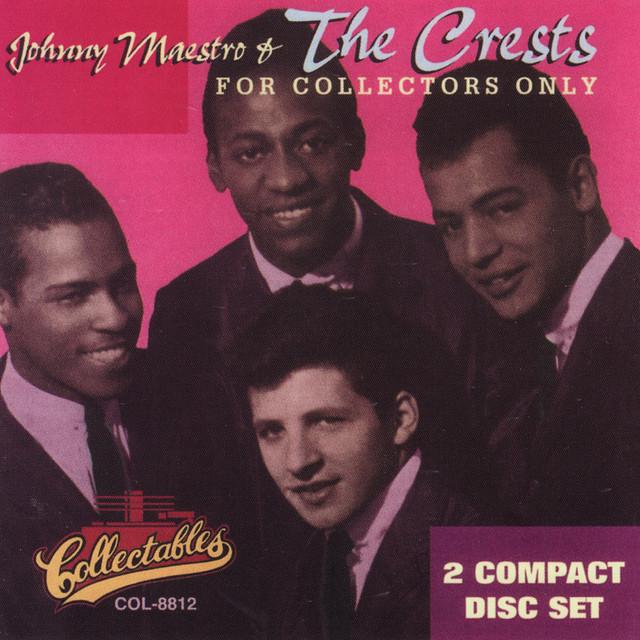
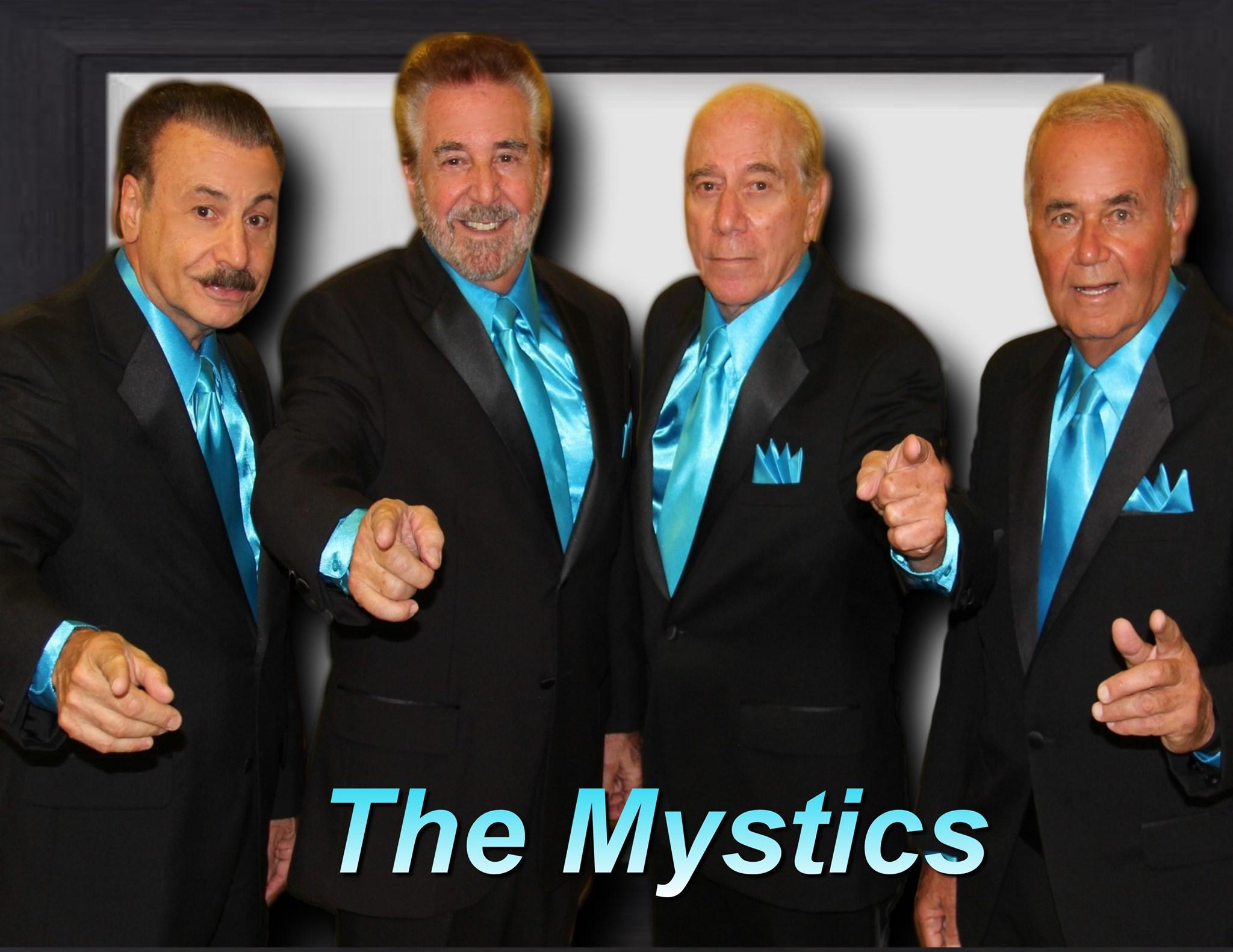
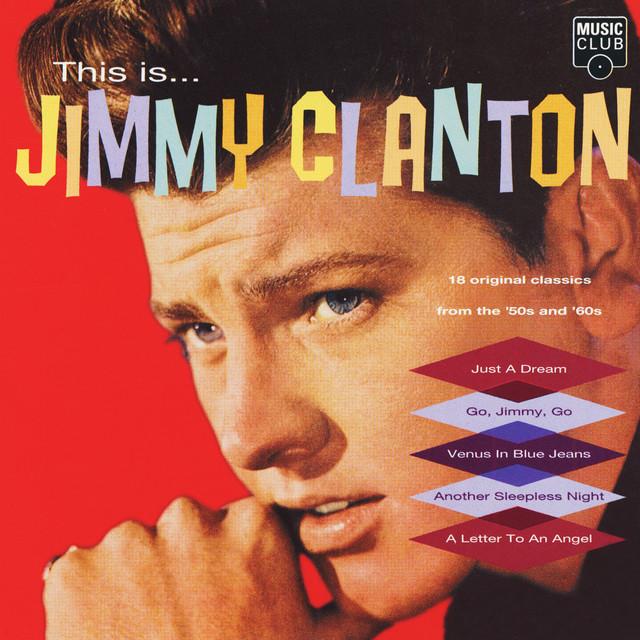
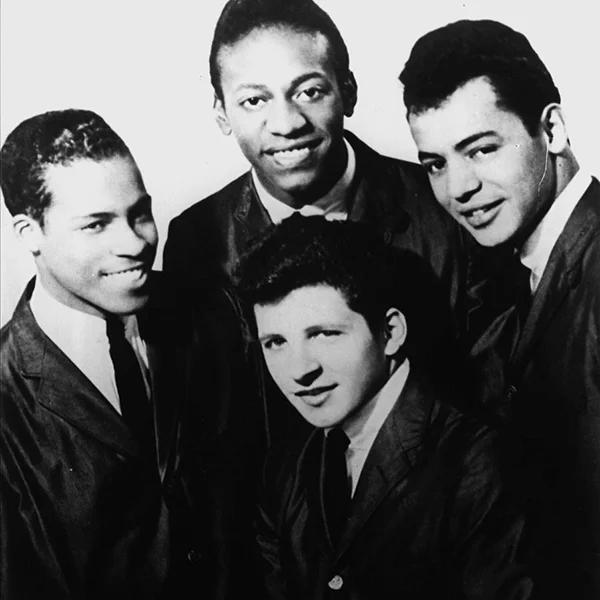
The Crests’ Spotify BioOne of the most successful integrated doo wop groups, the Crests waxed the classic ballad "16 Candles" in 1959. Formed in 1956, they began recording the next year for Joyce, where they inched onto the pop lists with "Sweetest One." Moving to the brand-new Coed logo, Johnny Maestro's (b. May 7, 1939) warm tenor made "16 Candles" a national smash, and pop/R&B hybrids like "The Angels Listened In" and "Step by Step" also did well. Maestro went solo in 1960, scoring the next year with "Model Girl" on Coed, while the Crests attempted to survive on their own. Maestro eventually reclaimed stardom as leader of Brooklyn Bridge, an 11-piece aggregation that hit with "Worst That Could Happen" in 1968. ~ Bill Dahl, Rovi
Viberate is a music analytics platform built for A&Rs, artist managers, labels, booking agents, marketers, and artists.
It helps music professionals track artist growth, analyze audience data, monitor playlist activity, compare artists, follow song performance, and identify opportunities across the music market.
Public artist pages provide a free preview of selected artist data. Paid plans provide access to deeper analytics, historical data, charts, comparisons, playlist tools, exports, alerts, reports, and additional professional features.
Yes. Public Viberate artist pages provide selected artist analytics and music data for free.
Viberate also offers a 7-day free trial of the full platform. A credit card is required to start the trial. The trial includes access to the complete product so users can test deeper artist analytics, historical views, playlist insights, comparisons, charts, exports, alerts, and reporting features before choosing a paid plan.
Viberate provides artist analytics across streaming, playlists, social media, video, radio airplay, songs, and audience markets.
Users can analyze Spotify performance, Spotify and Apple Music playlists, YouTube activity, TikTok and Instagram growth, radio spins, song performance, audience locations, demographics, rankings, and overall artist momentum.
Artist profiles also connect to music charts, similar artists, and comparison tools, helping users benchmark performance and evaluate artists in context.
Viberate updates key artist and track data daily.
For followed artists and tracks, selected data is refreshed multiple times per day. This helps teams monitor playlist changes, streaming movement, audience growth, releases, and campaign performance with more current data.
Update frequency can vary depending on the metric and data source.
Yes. Viberate lets users compare up to five artists side by side across streaming, social media, audience, and engagement metrics.
Users can compare fanbase growth, audience demographics, locations, Spotify performance, social metrics, and other artist data over selected time periods.
Artist comparison can be used for A&R scouting, benchmarking, booking decisions, campaign planning, and evaluating artists with similar audiences or market positions.