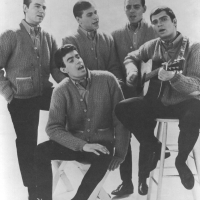
The Belmonts

Rock
Pop Rock
Soul
 Viberate Rank: 100674
 Viberate Rank: 100674
 Monthly ListenersFollowers
 Subscribers
 Followers
 Followers
 FansTop Spotify Songs
| Track | 7-Day Streams | |
|---|---|---|
1 | 22.53K | |
2 | 21.18K | |
3 | 18.12K | |
4 | 16.50K | |
5 | 11.53K |
Top YouTube Videos| Video | 7-Day Views | |
|---|---|---|
1 | 3 |
Monthly ListenersFeatured in Playlists| Playlist | Followers | |
|---|---|---|
1 | Doo Wop Classics Drew Kellerman | 48.05K |
2 |  1950's/Early 1960's Playlist Anthony Battaglia | 25.93K |
3 | Oldies But Goldies🎶🙌 Andreas (DJ Riga-cee) Rigazzi | 22.08K |
4 | Top 100 Doo Wop Hits 1953-1964 Hunter Pratt | 19.93K |
5 |  ¤ Rock Collection ¤ (The Full Collection) Alexie Mc | 18.84K |
Audience| City | Monthly Listeners | |
|---|---|---|
1 |  | 3.30K |
2 | | 2.85K |
3 | | 2.33K |
4 |  | 1.82K |
5 | | 1.49K |
See full performance history, audience data, playlist activity, rankings, comparisons, and more in Viberate music analytics. Start with a free trial, then continue with a paid plan.
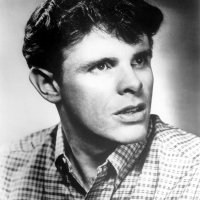
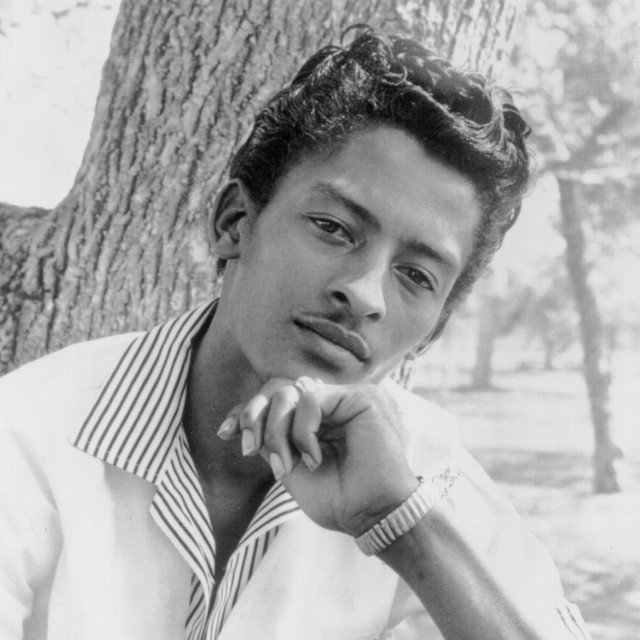
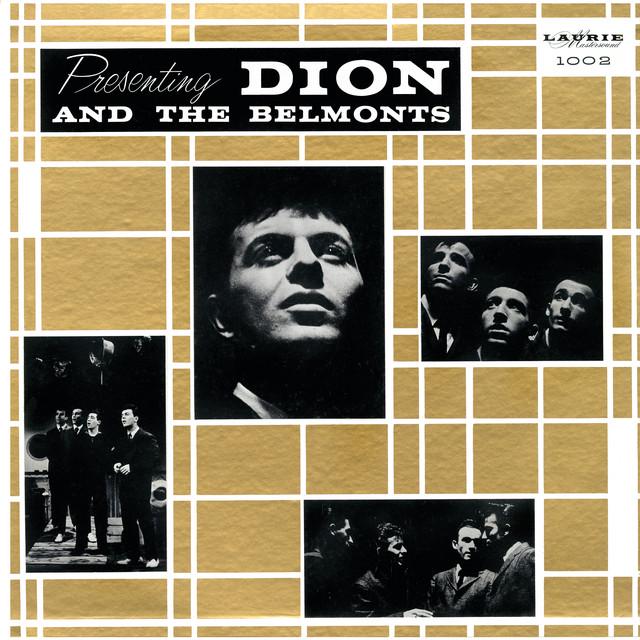
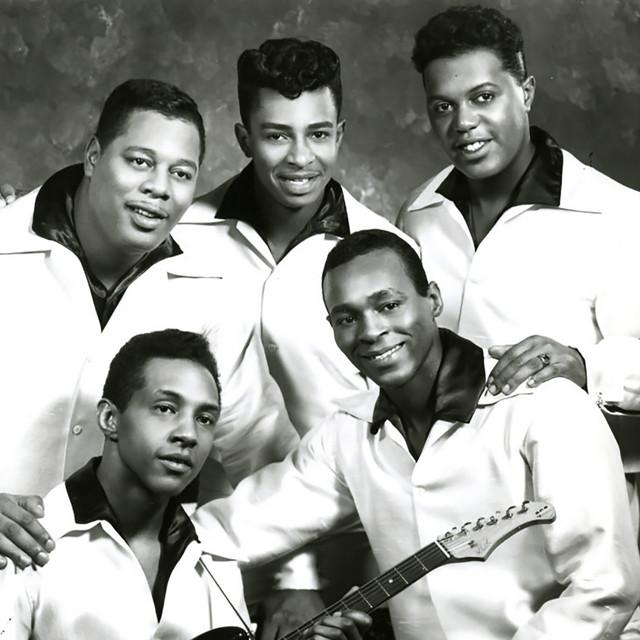
The Belmonts’ Spotify BioThe Belmonts remain one of the most popular and influencal groups from the early days of Rock and Roll. When Dion Dimucci left the group Dion and the Belmonts, the group continued on to great success with such his as "Tell Me Why" and many more. There were a few "reunion" concert efforts with Dion, but they remained as separate acts.
Warren Gradus, Fred Milano, Artie Loria, Frank Lyndon, Angelo D'laeo and Danny Elliot continued on as the Belmonts when Carlo Mastrangelo left for a solo career.
After the passings of Milano, Loria, and Elliot, Gradus remains active and still yours as The Belmont's as of 2017.
The legacy and influence of these boys from Belmont Ave in the Bronx cannot be denied and their place in history is well secured as one of the best street corner Doo Woo groups of all time and defined the "New York City Sound'
Viberate is a music analytics platform built for A&Rs, artist managers, labels, booking agents, marketers, and artists.
It helps music professionals track artist growth, analyze audience data, monitor playlist activity, compare artists, follow song performance, and identify opportunities across the music market.
Public artist pages provide a free preview of selected artist data. Paid plans provide access to deeper analytics, historical data, charts, comparisons, playlist tools, exports, alerts, reports, and additional professional features.
Yes. Public Viberate artist pages provide selected artist analytics and music data for free.
Viberate also offers a 7-day free trial of the full platform. A credit card is required to start the trial. The trial includes access to the complete product so users can test deeper artist analytics, historical views, playlist insights, comparisons, charts, exports, alerts, and reporting features before choosing a paid plan.
Viberate provides artist analytics across streaming, playlists, social media, video, radio airplay, songs, and audience markets.
Users can analyze Spotify performance, Spotify and Apple Music playlists, YouTube activity, TikTok and Instagram growth, radio spins, song performance, audience locations, demographics, rankings, and overall artist momentum.
Artist profiles also connect to music charts, similar artists, and comparison tools, helping users benchmark performance and evaluate artists in context.
Viberate updates key artist and track data daily.
For followed artists and tracks, selected data is refreshed multiple times per day. This helps teams monitor playlist changes, streaming movement, audience growth, releases, and campaign performance with more current data.
Update frequency can vary depending on the metric and data source.
Yes. Viberate lets users compare up to five artists side by side across streaming, social media, audience, and engagement metrics.
Users can compare fanbase growth, audience demographics, locations, Spotify performance, social metrics, and other artist data over selected time periods.
Artist comparison can be used for A&R scouting, benchmarking, booking decisions, campaign planning, and evaluating artists with similar audiences or market positions.