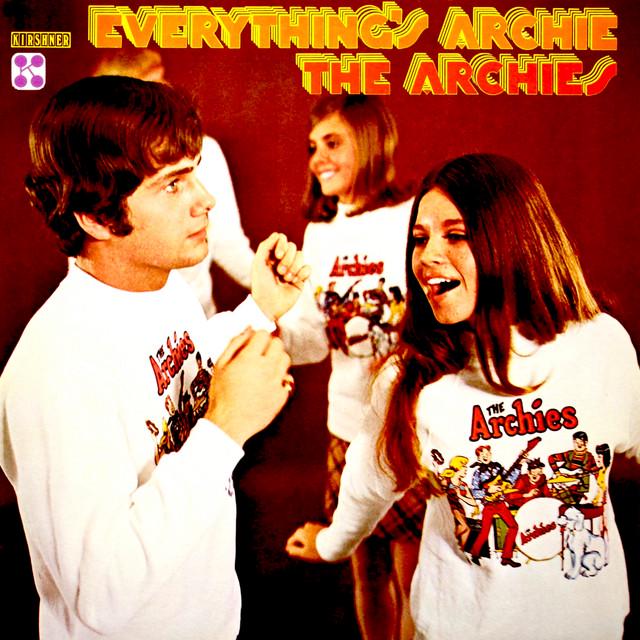
The Archies

Pop
Mainstream Pop
 Viberate Rank: 15976
 Viberate Rank: 15976
 Monthly ListenersFollowers
 Subscribers
 Followers
 Followers
 FansTop Spotify Songs
| Track | 7-Day Streams | |
|---|---|---|
1 | 1.11M | |
2 | 5.53K | |
3 | 2.74K | |
4 | 2.54K | |
5 | 1.97K |
Top YouTube VideosMonthly ListenersFeatured in Playlists| Playlist | Followers | |
|---|---|---|
1 |  All Out 60s Spotify | 3.19M |
2 |  Classic Oldies Spotify | 1.46M |
3 |  Vietnam War Music Extra Music | 754.39K |
4 |  Happy Days Spotify | 683.59K |
5 |  Happy Tunes Spotify | 681.45K |
Audience| City | Monthly Listeners | |
|---|---|---|
1 |  | 63.66K |
2 |  | 39.69K |
3 | | 37.49K |
4 | | 33.79K |
5 |  | 25.59K |
See full performance history, audience data, playlist activity, rankings, comparisons, and more in Viberate music analytics. Start with a free trial, then continue with a paid plan.
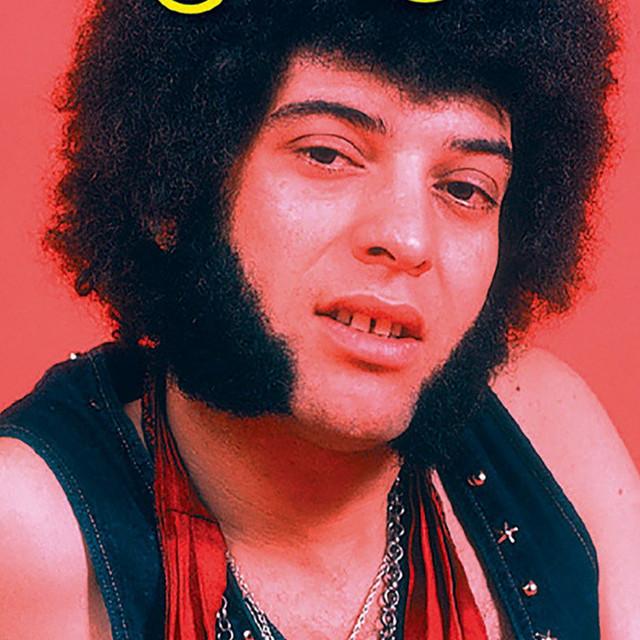
The Archies’ Spotify BioMost '60s bubblegum groups were faceless studio concoctions, made up of hired professionals and given nominal group identities after the fact. The Archies made no pretense of being a real band in the first place -- their music, including the smash hit "Sugar, Sugar," was "performed" by the animated TV cartoon characters spun off from Archie comics. In reality, of course, they were a studio concoction made up of hired professionals (most notably lead singer Ron Dante), but in this case, they weren't technically faceless.
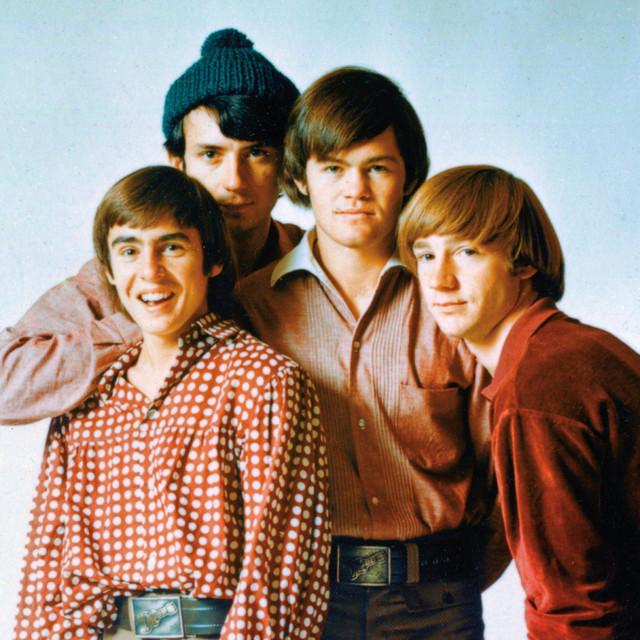
The Archies were created by promoter Don Kirshner, who was coming off a major success as the creator of the Monkees. In late 1967, Kirshner was hired as music supervisor for CBS' new Saturday morning cartoon The Archie Show, which was to feature a new original song every week. He immediately brought on producer Jeff Barry, who with Ellie Greenwich had formed one of the preeminent songwriting teams of the girl-group era (Greenwich also sang on several Archies records).… Kirshner's original choice for lead singer was Kenny Karen, but Barry brought in Ron Dante, an experienced session singer who'd fronted the Detergents' novelty parody "Leader of the Laundromat"; Dante had met Barry at a Neil Diamond session, and had previously cut promos for Kirshner. Dante won the job, and Barry hired Jeannie Thomas as the group's female vocalist. When the TV show debuted, it was a hit, and the first Archies single, nearly made the Top 20 in late 1968.
thearchies@europe.com
Viberate is a music analytics platform built for A&Rs, artist managers, labels, booking agents, marketers, and artists.
It helps music professionals track artist growth, analyze audience data, monitor playlist activity, compare artists, follow song performance, and identify opportunities across the music market.
Public artist pages provide a free preview of selected artist data. Paid plans provide access to deeper analytics, historical data, charts, comparisons, playlist tools, exports, alerts, reports, and additional professional features.
Yes. Public Viberate artist pages provide selected artist analytics and music data for free.
Viberate also offers a 7-day free trial of the full platform. A credit card is required to start the trial. The trial includes access to the complete product so users can test deeper artist analytics, historical views, playlist insights, comparisons, charts, exports, alerts, and reporting features before choosing a paid plan.
Viberate provides artist analytics across streaming, playlists, social media, video, radio airplay, songs, and audience markets.
Users can analyze Spotify performance, Spotify and Apple Music playlists, YouTube activity, TikTok and Instagram growth, radio spins, song performance, audience locations, demographics, rankings, and overall artist momentum.
Artist profiles also connect to music charts, similar artists, and comparison tools, helping users benchmark performance and evaluate artists in context.
Viberate updates key artist and track data daily.
For followed artists and tracks, selected data is refreshed multiple times per day. This helps teams monitor playlist changes, streaming movement, audience growth, releases, and campaign performance with more current data.
Update frequency can vary depending on the metric and data source.
Yes. Viberate lets users compare up to five artists side by side across streaming, social media, audience, and engagement metrics.
Users can compare fanbase growth, audience demographics, locations, Spotify performance, social metrics, and other artist data over selected time periods.
Artist comparison can be used for A&R scouting, benchmarking, booking decisions, campaign planning, and evaluating artists with similar audiences or market positions.