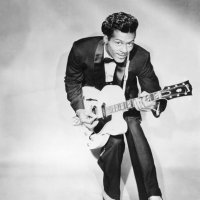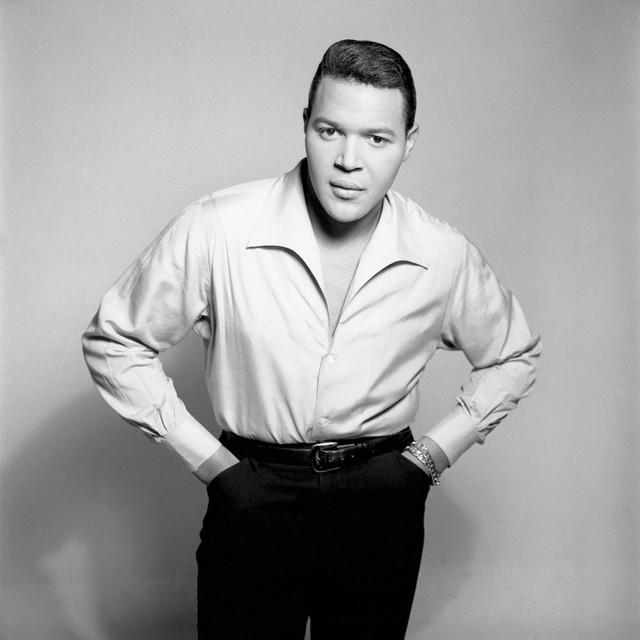
Chubby Checker

Rock
Pop Rock
 Viberate Rank: 12802
 Viberate Rank: 12802
 Monthly ListenersFollowers
 Subscribers
 Followers
 Followers
 FansTop Spotify Songs
| Track | 7-Day Streams | |
|---|---|---|
1 | 643.51K | |
2 | 234.23K | |
3 | 29.19K | |
4 | 24.79K | |
5 | 20.36K |
Top YouTube VideosMonthly ListenersFeatured in Playlists| Playlist | Followers | |
|---|---|---|
1 |  Classic Oldies Spotify | 1.46M |
2 |  60s Rock Anthems Spotify | 1.02M |
3 |  Classic Rock Songs 60s 70s 80s 90s Music-Hits_. | 788.49K |
4 |  Vietnam War Music Extra Music | 754.39K |
5 |  Feel Good Classics Spotify | 565.91K |
Audience| City | Monthly Listeners | |
|---|---|---|
1 |  | 41.68K |
2 |  | 37.77K |
3 |  | 23.27K |
4 |  | 20.87K |
5 | | 20.46K |
See full performance history, audience data, playlist activity, rankings, comparisons, and more in Viberate music analytics. Start with a free trial, then continue with a paid plan.
Chubby Checker’s Spotify BioChubby Checker was the unrivaled king of the rock & roll dance craze; although most of the dances his records promoted -- the Pony, "the Fly," and the Hucklebuck, to cite just three -- have long since faded into obscurity, his most famous hit, "The Twist," remains the yardstick against which all subsequent dancefloor phenomena are measured. Born Ernest Evans on October 3, 1941, in Spring Gulley, South Carolina, he worked in a local poultry shop while in high school, and while on the job often entertained customers by singing and cracking jokes. His workplace antics helped win an audition with the local Cameo-Parkway label, who signed the fledgling singer in 1959; at the suggestion of no less than Dick Clark's wife, the portly youth was re-christened Chubby Checker, the name a sly reference to Fats Domino.
Checker's first single, "The Class," showcased his skills as an impressionist; while the record became a minor novelty hit, none of its immediate follow-ups were successful. In 1960,… however, he recorded "The Twist," a cover of a 1958 Hank Ballard & the Midnighters B-side; Checker's rendition de-emphasized the original's overtly sexual overtones, focusing instead on the song's happy-go-lucky charms. The single rocketed to number one during the autumn of 1960, remaining on the charts for four months; some time after it dropped off, it slowly returned to prominence, and in late 1961 it hit number one again; the only record ever to enjoy two stays at the top more than a year apart. After "The Twist" first made Checker a superstar, he returned to the top in 1961 with "Do the Pony"; that same year, he also reached the Top Ten with "Let's Twist Again," which assured the dance's passage from novelty to institution.
In addition to 1961's "The Fly," Checker's other Top Ten hits included three 1962 smashes: "Slow Twistin'," "Limbo Rock," and "Popeye the Hitchhiker." He even starred in a pair of feature films, Twist Around the Clock and Don't Knock the Twist. In total, Checker notched 32 chart hits before the bubble burst in 1966; as interest in dance novelties dwindled, he briefly turned to folk music, and became a regular on the nightclub circuit. From the 1970s onward, he was a staple of oldies revival tours; in 1982, more than a decade after his last studio LP, he signed with MCA and issued the disco-inspired The Change Has Come, scoring a pair of minor hits with the singles "Running" and "Harder Than Diamond." In 1988, Checker returned to the Top 40 for the first time in a quarter century when he appeared on the Fat Boys' rap rendition of "The Twist," and he continued touring regularly throughout the decade to follow. ~ Jason Ankeny, Rovi
Viberate is a music analytics platform built for A&Rs, artist managers, labels, booking agents, marketers, and artists.
It helps music professionals track artist growth, analyze audience data, monitor playlist activity, compare artists, follow song performance, and identify opportunities across the music market.
Public artist pages provide a free preview of selected artist data. Paid plans provide access to deeper analytics, historical data, charts, comparisons, playlist tools, exports, alerts, reports, and additional professional features.
Yes. Public Viberate artist pages provide selected artist analytics and music data for free.
Viberate also offers a 7-day free trial of the full platform. A credit card is required to start the trial. The trial includes access to the complete product so users can test deeper artist analytics, historical views, playlist insights, comparisons, charts, exports, alerts, and reporting features before choosing a paid plan.
Viberate provides artist analytics across streaming, playlists, social media, video, radio airplay, songs, and audience markets.
Users can analyze Spotify performance, Spotify and Apple Music playlists, YouTube activity, TikTok and Instagram growth, radio spins, song performance, audience locations, demographics, rankings, and overall artist momentum.
Artist profiles also connect to music charts, similar artists, and comparison tools, helping users benchmark performance and evaluate artists in context.
Viberate updates key artist and track data daily.
For followed artists and tracks, selected data is refreshed multiple times per day. This helps teams monitor playlist changes, streaming movement, audience growth, releases, and campaign performance with more current data.
Update frequency can vary depending on the metric and data source.
Yes. Viberate lets users compare up to five artists side by side across streaming, social media, audience, and engagement metrics.
Users can compare fanbase growth, audience demographics, locations, Spotify performance, social metrics, and other artist data over selected time periods.
Artist comparison can be used for A&R scouting, benchmarking, booking decisions, campaign planning, and evaluating artists with similar audiences or market positions.