The Angelic Process

Metal
Doom/Sludge Metal
Drone
 Viberate Rank: 188808
 Viberate Rank: 188808
 Monthly ListenersFollowers
 Subscribers
 Followers
 Followers
 FansTop Spotify Songs
| Track | 7-Day Streams | |
|---|---|---|
1 | 4.66K | |
2 | 3.76K | |
3 | 2.31K | |
4 | 1.79K | |
5 | 1.57K |
Top YouTube VideosMonthly ListenersFeatured in Playlists| Playlist | Followers | |
|---|---|---|
1 |  gloomcore Spotify | 375.59K |
2 | sad metal songs. Sebastian Finta | 78.46K |
3 |  shoegaze essentials Heloísa | 33.14K |
4 |  Flenser's Seasonal Suffering: Fall The Flenser | 22.98K |
5 |  Songs that are ACTUALLY like Ptolemaea T🖤 | 14.44K |
Audience| City | Monthly Listeners | |
|---|---|---|
1 |  | 274 |
2 | | 257 |
3 | | 246 |
4 | | 204 |
5 |  | 199 |
See full performance history, audience data, playlist activity, rankings, comparisons, and more in Viberate music analytics. Start with a free trial, then continue with a paid plan.
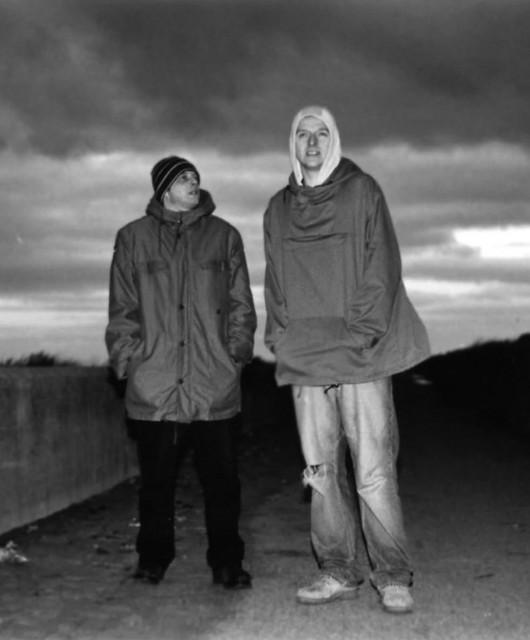
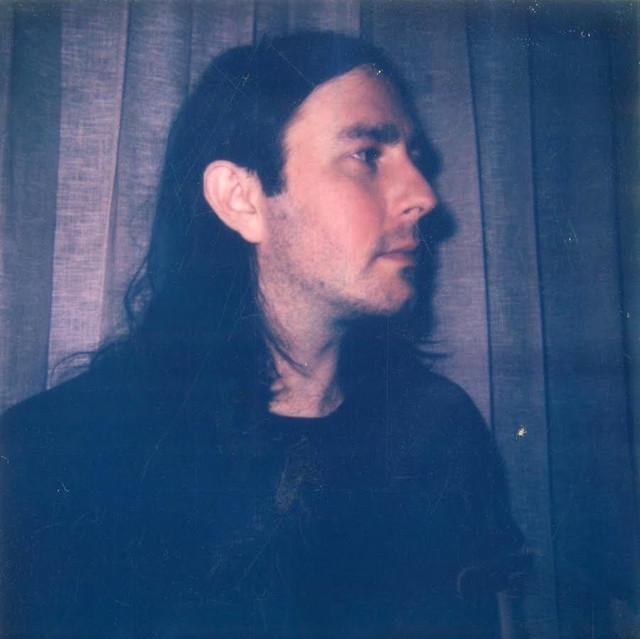
The Angelic Process’ Spotify BioFormed in Georgia in 1999- The Angelic Process has been making influential music over an 8 year period until the death of Lead singer, Guitarist, and Drummer Kris Angylus- more detail his death later.
The Angelic Process are the Pioneers of Ambient Drone Metal A.K.A. Doomgaze/Dronegaze.
Their sound is that of a thick barrier of sound and shifting time structures that created a new experience not only for the listener to hear, but also to be felt.
The Angelic Process has released Three Studio Albums and Two EPs- Their albums are often described as "The Sound Of The Soul."
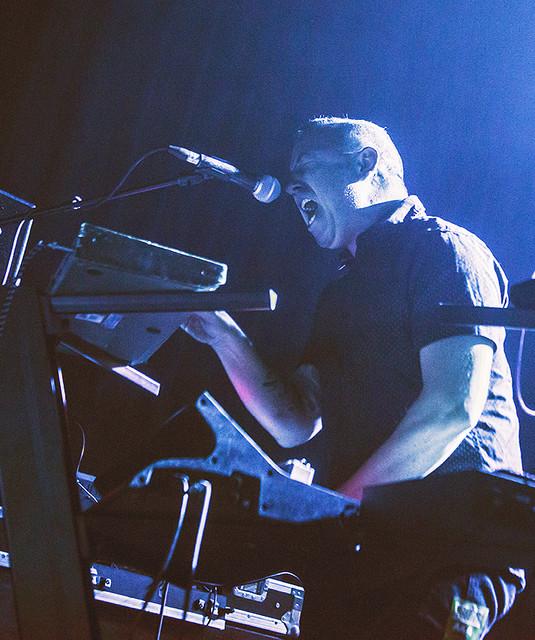
The band was known for their unique and engaging live performances. Blasting noise, complex melodies, droning guitar resonance, rippling bass, tom-heavy martial drums, and haunting, ethereal vocals collided to create violently ambient songs that had a definite shape and progression, but enveloped the audience in warm, immersive soundscapes.
In October 2007, the band was put on hold indefinitely due to Kris Angylus' severe… hand injury. Half a year later, on the 26th of April 2008, he fell victim to clinical depression and took his own life.
Angelic Discography:
2001 - ...and Your Blood is Full of Honey (LP)
2003 - Coma Waering (LP)
2003 - Solipsistic (unreleased LP)
2006 - Sigh (EP)
2006 - We All Die Laughing (EP)
2007 - Weighing Souls With Sand (LP)
2008 - Blood Tastes Like Rain (track 10 of Let There Be Life compilation, recorded in 2007)
Viberate is a music analytics platform built for A&Rs, artist managers, labels, booking agents, marketers, and artists.
It helps music professionals track artist growth, analyze audience data, monitor playlist activity, compare artists, follow song performance, and identify opportunities across the music market.
Public artist pages provide a free preview of selected artist data. Paid plans provide access to deeper analytics, historical data, charts, comparisons, playlist tools, exports, alerts, reports, and additional professional features.
Yes. Public Viberate artist pages provide selected artist analytics and music data for free.
Viberate also offers a 7-day free trial of the full platform. A credit card is required to start the trial. The trial includes access to the complete product so users can test deeper artist analytics, historical views, playlist insights, comparisons, charts, exports, alerts, and reporting features before choosing a paid plan.
Viberate provides artist analytics across streaming, playlists, social media, video, radio airplay, songs, and audience markets.
Users can analyze Spotify performance, Spotify and Apple Music playlists, YouTube activity, TikTok and Instagram growth, radio spins, song performance, audience locations, demographics, rankings, and overall artist momentum.
Artist profiles also connect to music charts, similar artists, and comparison tools, helping users benchmark performance and evaluate artists in context.
Viberate updates key artist and track data daily.
For followed artists and tracks, selected data is refreshed multiple times per day. This helps teams monitor playlist changes, streaming movement, audience growth, releases, and campaign performance with more current data.
Update frequency can vary depending on the metric and data source.
Yes. Viberate lets users compare up to five artists side by side across streaming, social media, audience, and engagement metrics.
Users can compare fanbase growth, audience demographics, locations, Spotify performance, social metrics, and other artist data over selected time periods.
Artist comparison can be used for A&R scouting, benchmarking, booking decisions, campaign planning, and evaluating artists with similar audiences or market positions.