Drowse

Rock
Pop Rock
Alternative Rock
 Viberate Rank: 242813
 Viberate Rank: 242813
 Monthly ListenersFollowers
 Subscribers
 Followers
 Followers
 FansTop Spotify Songs
| Track | 7-Day Streams | |
|---|---|---|
1 | 888 | |
2 | 811 | |
3 | 470 | |
4 | 466 | |
5 | 332 |
Top YouTube VideosMonthly ListenersFeatured in Playlists| Playlist | Followers | |
|---|---|---|
1 |  Horror playlist pitchcanker | 44.41K |
2 |  GOTH ULTIMATE LIST | DARK WAVE/POST-PUNK/GOTHIC ROCK/EBM/SYNTH/DEATH ROCK Annie Dark | 31.59K |
3 |  Flenser's Seasonal Suffering: Fall The Flenser | 22.98K |
4 |  me after the lobotomy 😂🤣😭🤦♂️😂 sean | 13.00K |
5 |  Now That's What I Call Gloom Vol. 1 The Flenser | 12.43K |
Audience| City | Monthly Listeners | |
|---|---|---|
1 |  | 102 |
2 |  | 95 |
3 | | 94 |
4 | | 93 |
5 | | 88 |
See full performance history, audience data, playlist activity, rankings, comparisons, and more in Viberate music analytics. Start with a free trial, then continue with a paid plan.
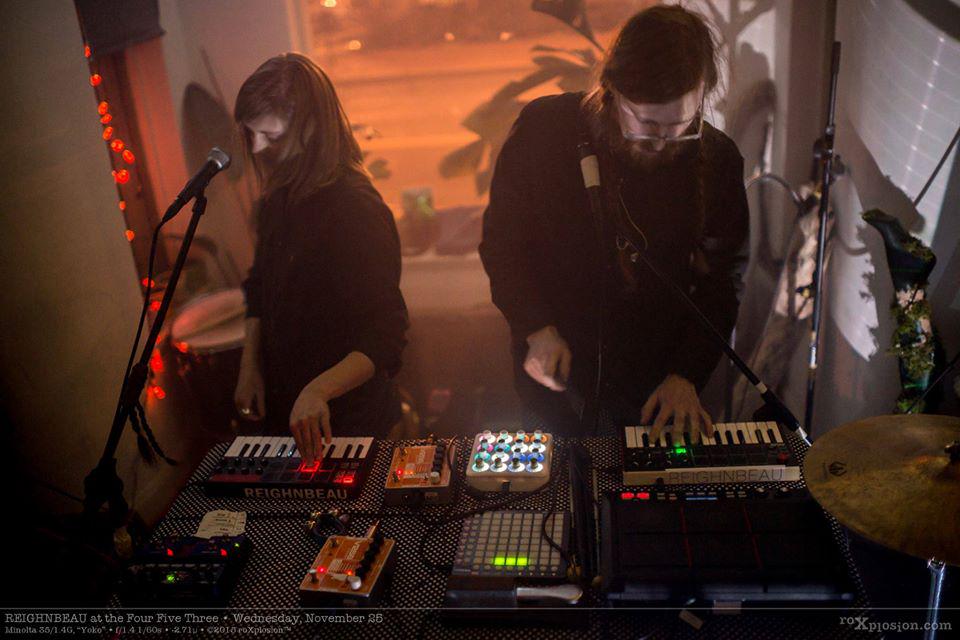
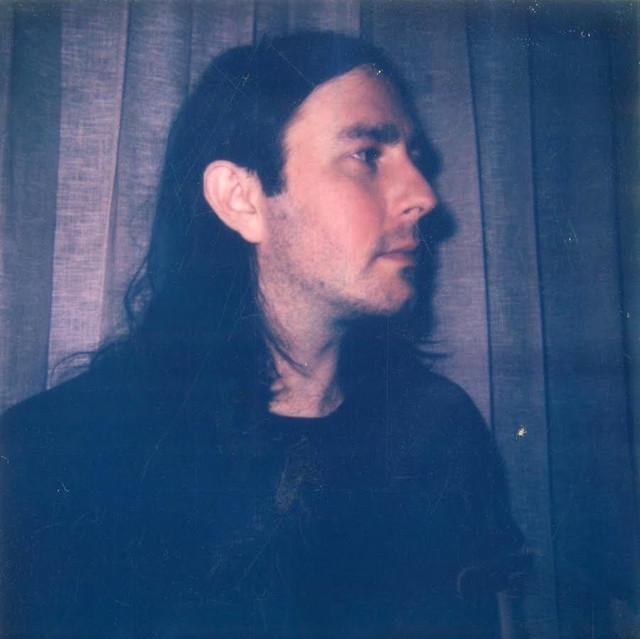
Drowse’s Spotify BioKyle Bates is a Pacific Northwest based musician, intermedia artist, and writer. He actively creates and performs in the self-recording project Drowse and has produced a range of releases for The Flenser, Whited Sepulchre Records, The Native Sound, Glowing Window Recordings, Apneic Void, and Television. His audio work has been referred to as “intimate” by NPR and “the aural equivalent of blood rushing back to a sleeping limb” by Vice, while his video work has been characterized as “dark” by Spin. Pitchfork has positioned him within “a grand tradition of Pacific Northwestern gloom.” Bates is focused on exploring sound in tangible spaces, the bipolar experience, and making personal internal worlds public through sonic metaphor and autofiction techniques; he is influenced by Roland Barthes’s practice of reading the self as text. He plays with themes of memory, shame, detachment, sleep, death, fear, and human connection. His practice has included sound, video, and text-based performances,… installations, film and video game scores, and various writings. Bates has presented and performed work at festivals, spaces, and galleries in parts of Europe, Japan, Mexico, and across the United States. He holds an MFA in Electronic Music and Recording Media from Mills College and a DMA with a focus on sound art and recording from the California Institute of the Arts.
Viberate is a music analytics platform built for A&Rs, artist managers, labels, booking agents, marketers, and artists.
It helps music professionals track artist growth, analyze audience data, monitor playlist activity, compare artists, follow song performance, and identify opportunities across the music market.
Public artist pages provide a free preview of selected artist data. Paid plans provide access to deeper analytics, historical data, charts, comparisons, playlist tools, exports, alerts, reports, and additional professional features.
Yes. Public Viberate artist pages provide selected artist analytics and music data for free.
Viberate also offers a 7-day free trial of the full platform. A credit card is required to start the trial. The trial includes access to the complete product so users can test deeper artist analytics, historical views, playlist insights, comparisons, charts, exports, alerts, and reporting features before choosing a paid plan.
Viberate provides artist analytics across streaming, playlists, social media, video, radio airplay, songs, and audience markets.
Users can analyze Spotify performance, Spotify and Apple Music playlists, YouTube activity, TikTok and Instagram growth, radio spins, song performance, audience locations, demographics, rankings, and overall artist momentum.
Artist profiles also connect to music charts, similar artists, and comparison tools, helping users benchmark performance and evaluate artists in context.
Viberate updates key artist and track data daily.
For followed artists and tracks, selected data is refreshed multiple times per day. This helps teams monitor playlist changes, streaming movement, audience growth, releases, and campaign performance with more current data.
Update frequency can vary depending on the metric and data source.
Yes. Viberate lets users compare up to five artists side by side across streaming, social media, audience, and engagement metrics.
Users can compare fanbase growth, audience demographics, locations, Spotify performance, social metrics, and other artist data over selected time periods.
Artist comparison can be used for A&R scouting, benchmarking, booking decisions, campaign planning, and evaluating artists with similar audiences or market positions.