The Accused

Punk
Hardcore Punk
Thrash Metal
 Viberate Rank: 204796
 Viberate Rank: 204796
 Monthly ListenersFollowers
 Subscribers
 Followers
 Followers
 FansTop Spotify SongsTop YouTube Videos
| Video | 7-Day Views | |
|---|---|---|
1 | 1 |
Monthly ListenersFeatured in Playlists| Playlist | Followers | |
|---|---|---|
1 |  FENRIZ METAL Gylve | 32.35K |
2 |  80's Hardcore Punk Antonio Leal Filho | 20.65K |
3 |  NIGHT HITS RapLab | 11.98K |
4 |  Hardcore Punk, Anarcho Punk, Crust Punk, Crossover Thrash Bahadır Mahmut | 8.03K |
5 | grindcore/powerviolence/ thrashcore/hardcore/sludge Kevö Sacajaweeda Magnaghi | 7.89K |
Audience| City | Monthly Listeners | |
|---|---|---|
1 |  | 108 |
2 | | 80 |
3 | | 66 |
4 | | 58 |
5 |  | 48 |
See full performance history, audience data, playlist activity, rankings, comparisons, and more in Viberate music analytics. Start with a free trial, then continue with a paid plan.
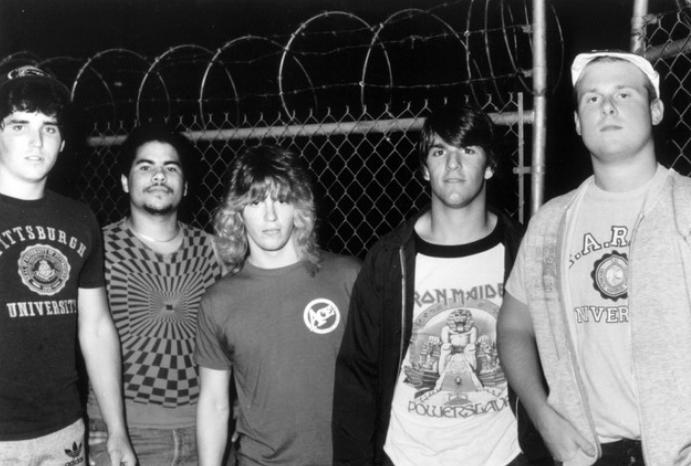
The Accused’s Spotify BioFusing hardcore punk and heavy metal into a furiously thrashing hybrid, Seattle's the Accused invariably described to their style as "splattercore," a reference to their chief lyrical inspirations -- horror films and comic-book violence. It was a far cry from the political leanings of vocalist/bandleader Blaine Cook's previous band, the Fartz, but it gave them a definite crossover appeal among both punk and metal audiences. With their roots in hardcore, the Accused presaged the rise of the Seattle scene, but never fit into the grunge movement that sprang up around them. Some of their key personnel went on to join the grunge-metal band Gruntruck, but in their own lifespan, the Accused were a different enough beast that they weren't able to capitalize on all the attention afforded the Northwest underground.
The Accused were formed in Seattle in 1981, originally consisting of vocalist John Dahlin, guitarist Tom Niemeyer, bassist Chibon "Chewy" Batterman, and drummer Dana Collins. Their… first release was a split LP with the Rejectors, at which point they were playing straight-ahead hardcore. However, the other members' taste for metal pushed Dahlin out of the band in 1984, and his place was taken by ex-Fartz vocalist Blaine Cook (reverting to his real name after billing himself as Blaine Fart). Powered by Cook's demented vocals, the band issued its limited-edition debut EP, Martha Splatterhead (named after their monstrous new mascot), on the small Condor Records label.
Continuing to hone their sound through touring, the Accused finally completed their first full-length LP in 1986; issued on Subcore Records, The Return of Martha Splatterhead established their hyperspeed approach and earned them a deal with the thrash label Combat. During the supporting tour, bassist Batterman was asked to leave, and the group brought in Alex "Maggot Brain" Sibbald as his replacement. Sibbald made his debut on 1987's More Fun Than an Open Casket Funeral, which significantly expanded the group's cult following. The 1988 follow-up, Martha Splatterhead's Maddest Stories Ever Told, featured a guest appearance by Metal Church guitarist Kurdt Vanderhoof.
Combat subsequently dropped the Accused, who signed with a Seattle-area label called Nastymix, which was primarily associated with rap (specifically, launching the career of Sir Mix-a-Lot). There was also a change on the drumming front: Dana Collins departed in 1988, and was replaced by Steve Nelson for the half-studio, half-live Hymns for the Deranged mini-album. Following his exit, the powerhouse Josh Sinder came onboard in 1989, and appeared on the group's Nastymix debut, Grinning Like an Undertaker, the following year. 1991 brought the Straight Razor EP, and also the departure of Sinder, who joined Tad; he was replaced by Devin for the final Accused album, 1992's Splatter Rock. Niemeyer joined Skin Yard vocalist Ben McMillan in the grunge-metal band Gruntruck, a later version of which included Sibbald and Sinder as well; Sibbald and Sinder would later move on to a new project, the Hot Rod Lunatics. Cook sang for a time with a new band called the Black Nasty, whose lone album was released only locally. ~ Steve Huey, Rovi
Viberate is a music analytics platform built for A&Rs, artist managers, labels, booking agents, marketers, and artists.
It helps music professionals track artist growth, analyze audience data, monitor playlist activity, compare artists, follow song performance, and identify opportunities across the music market.
Public artist pages provide a free preview of selected artist data. Paid plans provide access to deeper analytics, historical data, charts, comparisons, playlist tools, exports, alerts, reports, and additional professional features.
Yes. Public Viberate artist pages provide selected artist analytics and music data for free.
Viberate also offers a 7-day free trial of the full platform. A credit card is required to start the trial. The trial includes access to the complete product so users can test deeper artist analytics, historical views, playlist insights, comparisons, charts, exports, alerts, and reporting features before choosing a paid plan.
Viberate provides artist analytics across streaming, playlists, social media, video, radio airplay, songs, and audience markets.
Users can analyze Spotify performance, Spotify and Apple Music playlists, YouTube activity, TikTok and Instagram growth, radio spins, song performance, audience locations, demographics, rankings, and overall artist momentum.
Artist profiles also connect to music charts, similar artists, and comparison tools, helping users benchmark performance and evaluate artists in context.
Viberate updates key artist and track data daily.
For followed artists and tracks, selected data is refreshed multiple times per day. This helps teams monitor playlist changes, streaming movement, audience growth, releases, and campaign performance with more current data.
Update frequency can vary depending on the metric and data source.
Yes. Viberate lets users compare up to five artists side by side across streaming, social media, audience, and engagement metrics.
Users can compare fanbase growth, audience demographics, locations, Spotify performance, social metrics, and other artist data over selected time periods.
Artist comparison can be used for A&R scouting, benchmarking, booking decisions, campaign planning, and evaluating artists with similar audiences or market positions.