Cryptic Slaughter

Punk
Hardcore Punk
Thrash Metal
 Viberate Rank: 133986
 Viberate Rank: 133986
 Monthly ListenersFollowers
 Subscribers
 Followers
 Followers
 FansTop Spotify Songs
| Track | 7-Day Streams | |
|---|---|---|
1 | 2.78K | |
2 | 1.40K | |
3 | 910 | |
4 | 773 | |
5 | 487 |
Top YouTube Videos| Video | 7-Day Views | |
|---|---|---|
1 | 22 | |
2 | 12 | |
3 | 1 |
Monthly ListenersFeatured in Playlists| Playlist | Followers | |
|---|---|---|
1 |  Thrashers Spotify | 586.86K |
2 |  The Sound of Everything The Sounds of Spotify | 53.81K |
3 |  FENRIZ METAL Gylve | 32.35K |
4 |  80's Hardcore Punk Antonio Leal Filho | 20.65K |
5 |  Tony Stark Workshop ryanporter16 | 11.11K |
Audience| City | Monthly Listeners | |
|---|---|---|
1 |  | 534 |
2 | | 402 |
3 |  | 194 |
4 |  | 189 |
5 |  | 170 |
See full performance history, audience data, playlist activity, rankings, comparisons, and more in Viberate music analytics. Start with a free trial, then continue with a paid plan.
Cryptic Slaughter’s Spotify BioThe original speedcore merchants, Cryptic Slaughter dealt a West Coast hand into the late-‘80s crossover movement, a movement that saw the normally warring armies of punk rock and thrash metal finally come together into a unified front bent on exposing social injustice and political hypocrisy. Powered by a previously unimagined sense of informed aggression, Cryptic Slaughter's uncompromising political stance and lightning-fast tempos ultimately proved too harsh for mainstream tastes, but their status as underground legends remains unquestioned.
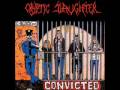
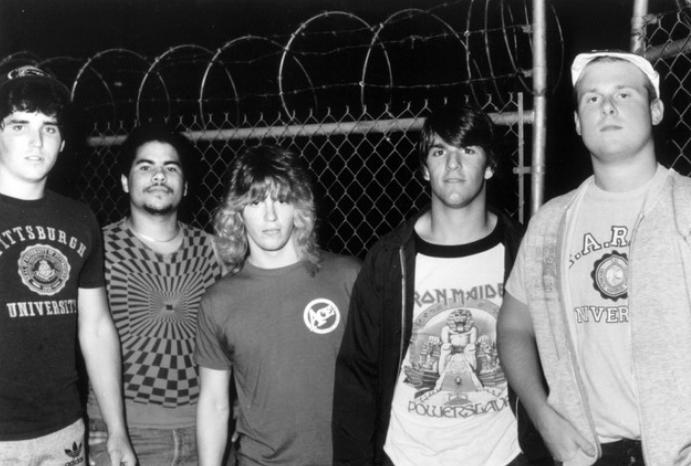
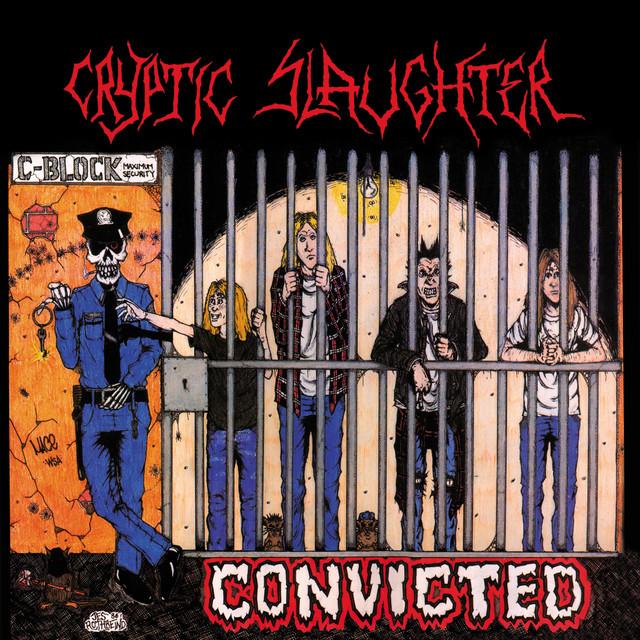
Vocalist/bassist Bill Crooks, guitarists Les Evans and Adam Scott, and drummer Scott Peterson first met while playing on their high-school soccer team, and formed Cryptic Slaughter in 1984. Scott was soon on the outs, but the remaining trio still managed to cut the five-song Life in Grave demo by May of the following year. Its sheer speed and unbridled ferocity quickly made it a favorite conversation piece on the all-important underground… tape-trading network -- a worldwide phenomenon that had already launched dozens of successful acts before them -- and eventually landed Cryptic Slaughter a contract with fast-rising independent Metal Blade Records. Issued in 1986, the band's debut album, Convicted, introduced new bassist Rob Nicholson (freeing Crooks to focus on his rabid vocal delivery) and somehow crammed 14 tracks into a violently giddy, adrenalin-charged half hour, every single cut spewing a torrent of anti-establishment bile and fury.
Follow-up efforts like 1987's Money Talks and 1988's Stream of Consciousness added only the smallest of sonic refinements, and kept the group's ever-expanding legion of fans happy by staying true to its original raw and frenetic style. But the strain of constant infighting and unending tours in exchange for barely scraping by financially eventually took its toll on Cryptic Slaughter, who fell apart shortly after an especially troubled tour with Angkor Wat. Evans relocated to Portland, OR, where he attempted to stage a comeback two years later, re-forming the group with vocalist Dave Hollingsworth, bassist Bret Davis, and drummer Brian Lehfeldt (of Sweaty Nipples infamy), but fans were not impressed by 1990's Speak Your Peace and this lineup quickly broke up as well.
Though Cryptic Slaughter lay dormant over the ensuing decade, Evans noticed that copies of the band's now quite rare LPs began selling for hundreds of dollars online. This eventually prompted him to reunite with Lehfeldt and original members Crooks and Nicholson with intentions of recording a new album. In the meantime, he saw to it that those early albums were re-released with bonus tracks by Relapse Records in 2003. ~ Eduardo Rivadavia, Rovi
Viberate is a music analytics platform built for A&Rs, artist managers, labels, booking agents, marketers, and artists.
It helps music professionals track artist growth, analyze audience data, monitor playlist activity, compare artists, follow song performance, and identify opportunities across the music market.
Public artist pages provide a free preview of selected artist data. Paid plans provide access to deeper analytics, historical data, charts, comparisons, playlist tools, exports, alerts, reports, and additional professional features.
Yes. Public Viberate artist pages provide selected artist analytics and music data for free.
Viberate also offers a 7-day free trial of the full platform. A credit card is required to start the trial. The trial includes access to the complete product so users can test deeper artist analytics, historical views, playlist insights, comparisons, charts, exports, alerts, and reporting features before choosing a paid plan.
Viberate provides artist analytics across streaming, playlists, social media, video, radio airplay, songs, and audience markets.
Users can analyze Spotify performance, Spotify and Apple Music playlists, YouTube activity, TikTok and Instagram growth, radio spins, song performance, audience locations, demographics, rankings, and overall artist momentum.
Artist profiles also connect to music charts, similar artists, and comparison tools, helping users benchmark performance and evaluate artists in context.
Viberate updates key artist and track data daily.
For followed artists and tracks, selected data is refreshed multiple times per day. This helps teams monitor playlist changes, streaming movement, audience growth, releases, and campaign performance with more current data.
Update frequency can vary depending on the metric and data source.
Yes. Viberate lets users compare up to five artists side by side across streaming, social media, audience, and engagement metrics.
Users can compare fanbase growth, audience demographics, locations, Spotify performance, social metrics, and other artist data over selected time periods.
Artist comparison can be used for A&R scouting, benchmarking, booking decisions, campaign planning, and evaluating artists with similar audiences or market positions.