M.O.D.

Metal
Thrash Metal
Hardcore Punk
 Viberate Rank: 115679
 Viberate Rank: 115679
 Monthly ListenersFollowers
 Subscribers
 Followers
 Followers
 FansTop Spotify Songs
| Track | 7-Day Streams | |
|---|---|---|
1 | 716 | |
2 | 599 | |
3 | 500 | |
4 | 444 | |
5 | 410 |
Top YouTube VideosMonthly ListenersFeatured in Playlists| Playlist | Followers | |
|---|---|---|
1 | Thrash Daniel Höld | 4.50K |
2 |  Headbanger's Ball 1987-1994 Richie Trixx | 4.44K |
3 |  The Sound of Crossover Thrash The Sounds of Spotify | 4.19K |
4 |  The Sound of Funk Metal The Sounds of Spotify | 4.12K |
5 | Thrash metal 80s/90s tschingo | 3.33K |
Audience| City | Monthly Listeners | |
|---|---|---|
1 | | 196 |
2 | | 160 |
3 | | 135 |
4 | | 120 |
5 | | 113 |
See full performance history, audience data, playlist activity, rankings, comparisons, and more in Viberate music analytics. Start with a free trial, then continue with a paid plan.
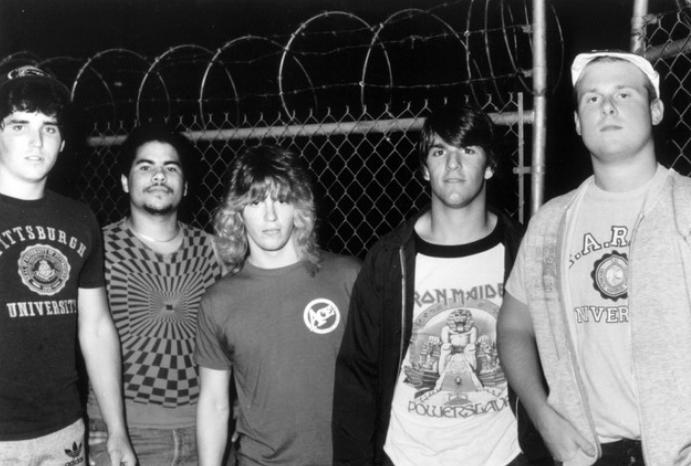
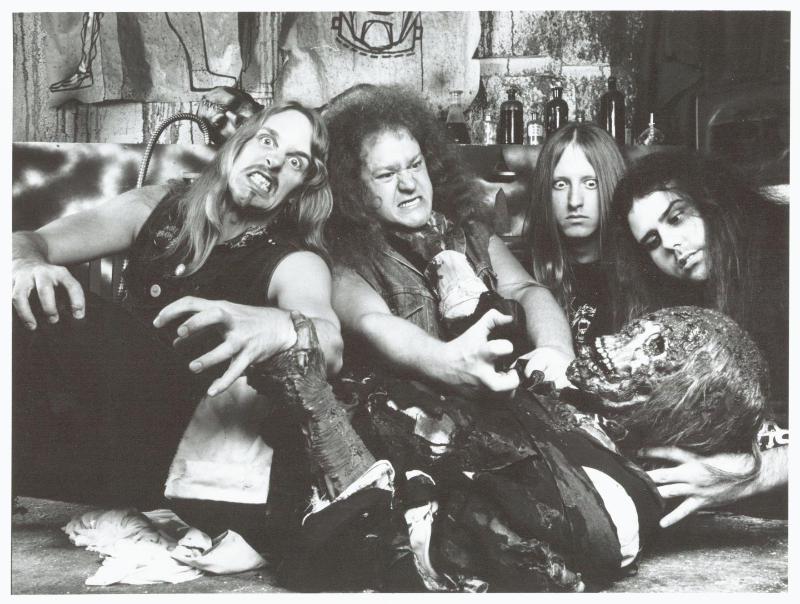
M.O.D.’s Spotify BioAn enduring New York City-born crossover thrash unit, M.O.D. (Methods of Destruction) was founded in 1986 by vocalist Billy Milano, the frontman for legendary hardcore punk outfit S.O.D. (Stormtroopers of Death). The controversial Milano, who is the only constant member of the group, was known for his politically incorrect lyrics -- he once penned an open letter to the press explaining that his aim was to illustrate prejudice by writing from the bigot’s perspective in the first person, thus stirring up truly negative reactions to these attitudes in the process. The band's 1987 debut, U.S.A. for M.O.D., was produced by S.O.D. bandmate and Anthrax guitarist Scott Ian, and released via Megaforce. 1988's Surfin M.O.D. EP preceded the release of the group's sophomore long-player, 1989's Gross Misconduct. Rhythm of Fear dropped in 1992, and began a trend that saw Milano's lyrics getting more serious in tone. Devolution, Loved by Thousands, Hated by Millions, and Dictated Aggression continued… to adopt a more somber temperament, while managing to maintain some of the off-color humor of prior outings, but by 1997 Milano had decided to put the band on hiatus and re-form S.O.D. He returned to the project in 2001, and two years later, issued the band's sixth full-length, The Rebel You Love to Hate, via Nuclear Blast Records. After relocating to Austin, Texas in 2007, the band released Red White & Screwed, but it would be the last M.O.D. outing for nearly a decade. Milano reconvened the group in 2013 to celebrate their 25th anniversary, and in 2017, they released their long-awaited eighth studio long-player, Busted, Broke, & American, via Megaforce. ~ James Christopher Monger, Rovi
Viberate is a music analytics platform built for A&Rs, artist managers, labels, booking agents, marketers, and artists.
It helps music professionals track artist growth, analyze audience data, monitor playlist activity, compare artists, follow song performance, and identify opportunities across the music market.
Public artist pages provide a free preview of selected artist data. Paid plans provide access to deeper analytics, historical data, charts, comparisons, playlist tools, exports, alerts, reports, and additional professional features.
Yes. Public Viberate artist pages provide selected artist analytics and music data for free.
Viberate also offers a 7-day free trial of the full platform. A credit card is required to start the trial. The trial includes access to the complete product so users can test deeper artist analytics, historical views, playlist insights, comparisons, charts, exports, alerts, and reporting features before choosing a paid plan.
Viberate provides artist analytics across streaming, playlists, social media, video, radio airplay, songs, and audience markets.
Users can analyze Spotify performance, Spotify and Apple Music playlists, YouTube activity, TikTok and Instagram growth, radio spins, song performance, audience locations, demographics, rankings, and overall artist momentum.
Artist profiles also connect to music charts, similar artists, and comparison tools, helping users benchmark performance and evaluate artists in context.
Viberate updates key artist and track data daily.
For followed artists and tracks, selected data is refreshed multiple times per day. This helps teams monitor playlist changes, streaming movement, audience growth, releases, and campaign performance with more current data.
Update frequency can vary depending on the metric and data source.
Yes. Viberate lets users compare up to five artists side by side across streaming, social media, audience, and engagement metrics.
Users can compare fanbase growth, audience demographics, locations, Spotify performance, social metrics, and other artist data over selected time periods.
Artist comparison can be used for A&R scouting, benchmarking, booking decisions, campaign planning, and evaluating artists with similar audiences or market positions.