Texas Tornados

Country
Americana/Alt Country
Other Latin Music
 Viberate Rank: 68863
 Viberate Rank: 68863
 Monthly ListenersFollowers
 Subscribers
 Followers
 Followers
 FansTop Spotify Songs
| Track | 7-Day Streams | |
|---|---|---|
1 | 52.12K | |
2 | 17.39K | |
3 | 10.23K | |
4 | 9.24K | |
5 | 8.31K |
Top YouTube VideosMonthly ListenersFeatured in Playlists| Playlist | Followers | |
|---|---|---|
1 | Lowrider Oldies and Old School RJ Sanchez | 22.70K |
2 | Oldies But Goldies🎶🙌 Andreas (DJ Riga-cee) Rigazzi | 22.08K |
3 |  Good’ns Rural Sultan | 17.84K |
4 |  Classic Las Vegas vibes Fallout_nv6 | 15.38K |
5 |  Shop Music Madison Ebberts | 13.75K |
Audience| City | Monthly Listeners | |
|---|---|---|
1 | | 9.92K |
2 | | 8.24K |
3 | | 7.90K |
4 | | 7.20K |
5 | | 5.00K |
See full performance history, audience data, playlist activity, rankings, comparisons, and more in Viberate music analytics. Start with a free trial, then continue with a paid plan.
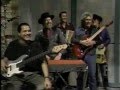
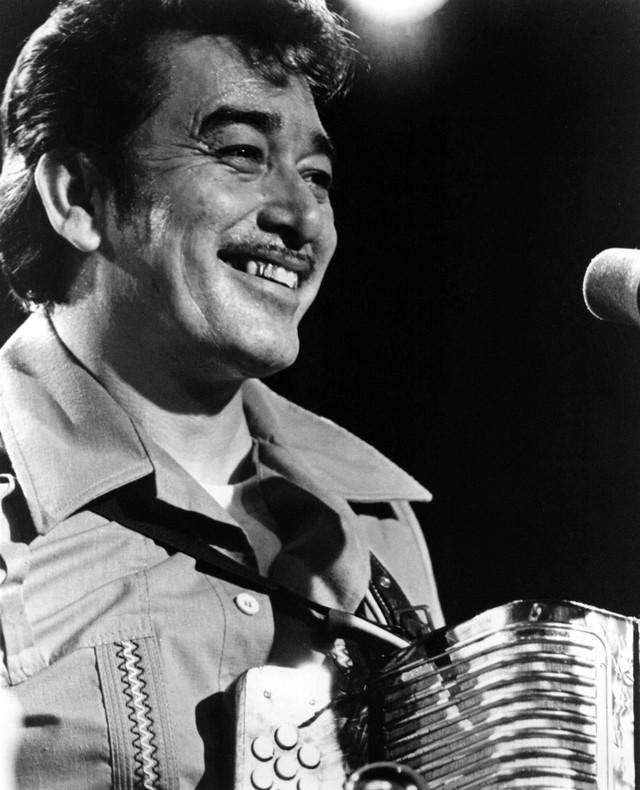
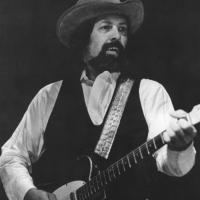
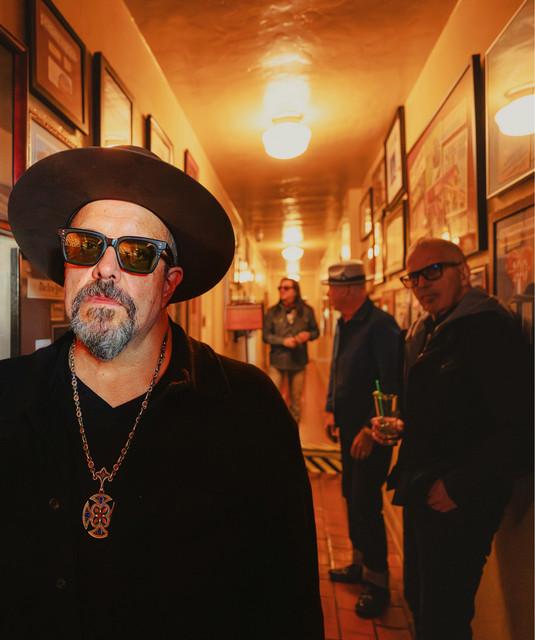
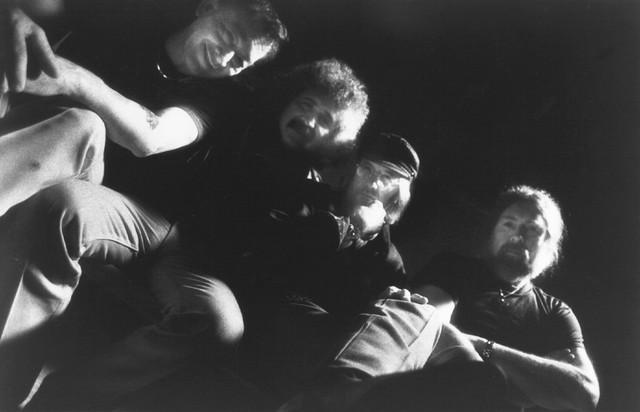
Texas Tornados’ Spotify BioThe ultimate Tex-Mex supergroup, Texas Tornados were composed of some of the genre's most legendary figures: Doug Sahm, Augie Meyers (Sahm's bandmate in the groundbreaking Sir Douglas Quintet), Hispanic country star Freddy Fender, and accordion virtuoso Flaco Jimenez. The group's infectious, party-ready sound blended country, early rock & roll, Mexican folk music, R&B, blues, and whatever other roots musics crossed their paths. The Tornados first assembled in 1989 at a concert in San Francisco, billing themselves as the Tex-Mex Revue. They enjoyed the collaboration so much they decided to stick with it and generated far more publicity together than they would have solo; Jimenez had released several acclaimed albums by that point, but Sahm had recorded only sporadically during the '80s, and Fender hardly at all. Their self-titled debut album was released on Reprise in 1990 -- in both English and Spanish versions -- to rapturous reviews and also sold pretty well, reaching number 25 on… the country charts. The group toured extensively behind it and issued the Grammy-nominated follow-up album Zone of Our Own in 1991, again to hugely positive reviews. By the time of 1992's Hangin' on by a Thread, the group's primary audience was Latino, and Jimenez accordingly took more and more of the spotlight. After more touring, the group went their separate ways to concentrate on other projects and work on new material; most notably, Sahm and Meyers formed a new version of the Sir Douglas Quintet. In the meantime, Reprise issued a compilation, The Best of Texas Tornados. The Tornados reconvened in 1996 for the album 4 Aces, which didn't attract quite as much attention or acclaim as their previous work. The group's late-1998 concert at Antone's in Austin was recorded and released the following summer as Live From the Limo, Vol. 1; unfortunately, it would prove to be the only volume, as Sahm died of a heart attack in late 1999. ~ Steve Huey, Rovi
Viberate is a music analytics platform built for A&Rs, artist managers, labels, booking agents, marketers, and artists.
It helps music professionals track artist growth, analyze audience data, monitor playlist activity, compare artists, follow song performance, and identify opportunities across the music market.
Public artist pages provide a free preview of selected artist data. Paid plans provide access to deeper analytics, historical data, charts, comparisons, playlist tools, exports, alerts, reports, and additional professional features.
Yes. Public Viberate artist pages provide selected artist analytics and music data for free.
Viberate also offers a 7-day free trial of the full platform. A credit card is required to start the trial. The trial includes access to the complete product so users can test deeper artist analytics, historical views, playlist insights, comparisons, charts, exports, alerts, and reporting features before choosing a paid plan.
Viberate provides artist analytics across streaming, playlists, social media, video, radio airplay, songs, and audience markets.
Users can analyze Spotify performance, Spotify and Apple Music playlists, YouTube activity, TikTok and Instagram growth, radio spins, song performance, audience locations, demographics, rankings, and overall artist momentum.
Artist profiles also connect to music charts, similar artists, and comparison tools, helping users benchmark performance and evaluate artists in context.
Viberate updates key artist and track data daily.
For followed artists and tracks, selected data is refreshed multiple times per day. This helps teams monitor playlist changes, streaming movement, audience growth, releases, and campaign performance with more current data.
Update frequency can vary depending on the metric and data source.
Yes. Viberate lets users compare up to five artists side by side across streaming, social media, audience, and engagement metrics.
Users can compare fanbase growth, audience demographics, locations, Spotify performance, social metrics, and other artist data over selected time periods.
Artist comparison can be used for A&R scouting, benchmarking, booking decisions, campaign planning, and evaluating artists with similar audiences or market positions.