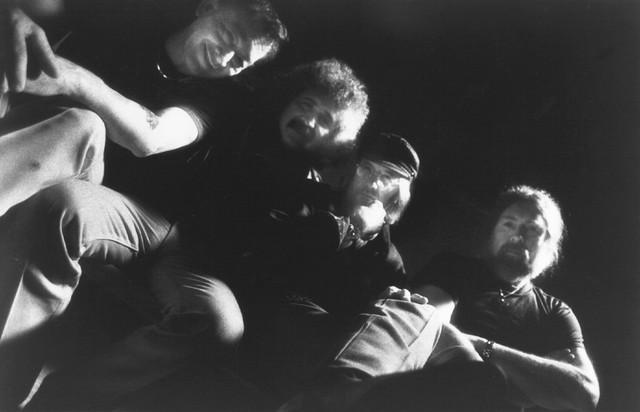
Augie Meyers

Country
Contemporary Country
Other Latin Music
Blues Rock
 Viberate Rank: 264393
 Viberate Rank: 264393
 Monthly ListenersFollowers
 Subscribers
 Followers
 Followers
 FansTop Spotify Songs
| Track | 7-Day Streams | |
|---|---|---|
1 | 6.83K | |
2 | 597 | |
3 | 597 | |
4 | 498 | |
5 | 498 |
Top YouTube VideosMonthly ListenersFeatured in Playlists| Playlist | Followers | |
|---|---|---|
1 | FREDDY FENDER GREATEST HITS Chucorudy | 13.53K |
2 |  This Is Freddy Fender Spotify | 9.61K |
3 | DIVE BAR PLAYLIST MR RED | 7.28K |
4 | Wesley Greenlee Playlist Reebo | 6.86K |
5 | Tex Mex Border Music chris | 4.45K |
Audience| City | Monthly Listeners | |
|---|---|---|
1 | | 981 |
2 | | 778 |
3 | | 723 |
4 | | 675 |
5 | | 574 |
See full performance history, audience data, playlist activity, rankings, comparisons, and more in Viberate music analytics. Start with a free trial, then continue with a paid plan.
Augie Meyers’ Spotify BioAugie Meyers began his career as a keyboardist in a bizarre fashion. Raised by his grandparents, he had polio and could not walk very well. He still enjoyed wandering around, enough that his grandparents tied a six-foot rope to his leg and connected it to their piano. He simply took to the piano, eventually moving on to the Vox organ and the piano-key accordion. Starting in the '50s, Meyers began to join popular San Antonio bands, eventually finding a musical partner in singer/guitarist Doug Sahm. The two eventually started the Sir Douglas Quintet, started by their producer as a British Invasion rip-off. The band was better than that however, and after a few hit singles they eventually founded the Texas Tornados. Both bands were local favorites and never really broke up until 1999, when Sahm died from a heart attack. The experience affected Meyers greatly, but he continued to play on as a keyboardist for John Hammond. Meyers joined Hammond's road band and played on his Wicked Grin… album, but also did session work for Bob Dylan and Tom Waits on top of that. ~ Bradley Torreano, Rovi
Viberate is a music analytics platform built for A&Rs, artist managers, labels, booking agents, marketers, and artists.
It helps music professionals track artist growth, analyze audience data, monitor playlist activity, compare artists, follow song performance, and identify opportunities across the music market.
Public artist pages provide a free preview of selected artist data. Paid plans provide access to deeper analytics, historical data, charts, comparisons, playlist tools, exports, alerts, reports, and additional professional features.
Yes. Public Viberate artist pages provide selected artist analytics and music data for free.
Viberate also offers a 7-day free trial of the full platform. A credit card is required to start the trial. The trial includes access to the complete product so users can test deeper artist analytics, historical views, playlist insights, comparisons, charts, exports, alerts, and reporting features before choosing a paid plan.
Viberate provides artist analytics across streaming, playlists, social media, video, radio airplay, songs, and audience markets.
Users can analyze Spotify performance, Spotify and Apple Music playlists, YouTube activity, TikTok and Instagram growth, radio spins, song performance, audience locations, demographics, rankings, and overall artist momentum.
Artist profiles also connect to music charts, similar artists, and comparison tools, helping users benchmark performance and evaluate artists in context.
Viberate updates key artist and track data daily.
For followed artists and tracks, selected data is refreshed multiple times per day. This helps teams monitor playlist changes, streaming movement, audience growth, releases, and campaign performance with more current data.
Update frequency can vary depending on the metric and data source.
Yes. Viberate lets users compare up to five artists side by side across streaming, social media, audience, and engagement metrics.
Users can compare fanbase growth, audience demographics, locations, Spotify performance, social metrics, and other artist data over selected time periods.
Artist comparison can be used for A&R scouting, benchmarking, booking decisions, campaign planning, and evaluating artists with similar audiences or market positions.