Test Dept.

Electronic
Dance
Techno
Other Electronic Music
 Viberate Rank: 155181
 Viberate Rank: 155181
 Monthly ListenersFollowers
 Subscribers
 Followers
 Followers
 FansTop Spotify Songs
| Track | 7-Day Streams | |
|---|---|---|
1 | 976 | |
2 | 580 | |
3 | 566 | |
4 | 557 | |
5 | 379 |
Top YouTube Videos| Video | 7-Day Views | |
|---|---|---|
1 | 34 | |
2 | 20 |
Monthly ListenersFeatured in Playlists| Playlist | Followers | |
|---|---|---|
1 |  The Sound of Everything The Sounds of Spotify | 53.81K |
2 |  HÖR BERLIN Rhadamanthus | 40.07K |
3 |  Industrial | EBM | Darkwave | Dark Electro | Aggrotech | Industrial Techno by DARKLARK darklark | 22.25K |
4 |  Industrial Goth Club floweredcorpse | 20.86K |
5 |  Darkwave NOW! artoffact | 18.42K |
Audience| City | Monthly Listeners | |
|---|---|---|
1 | | 154 |
2 |  | 150 |
3 |  | 95 |
4 | | 89 |
5 | | 86 |
See full performance history, audience data, playlist activity, rankings, comparisons, and more in Viberate music analytics. Start with a free trial, then continue with a paid plan.
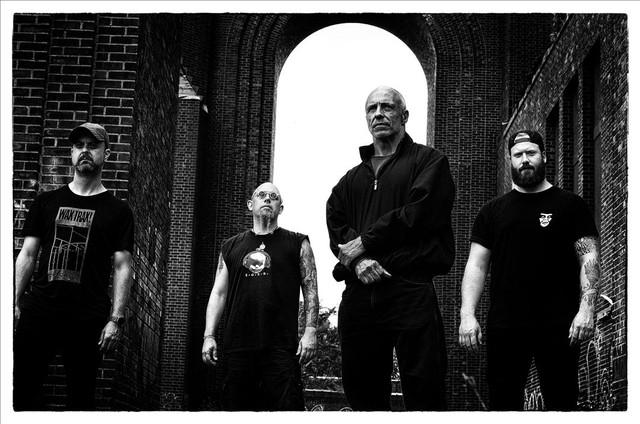
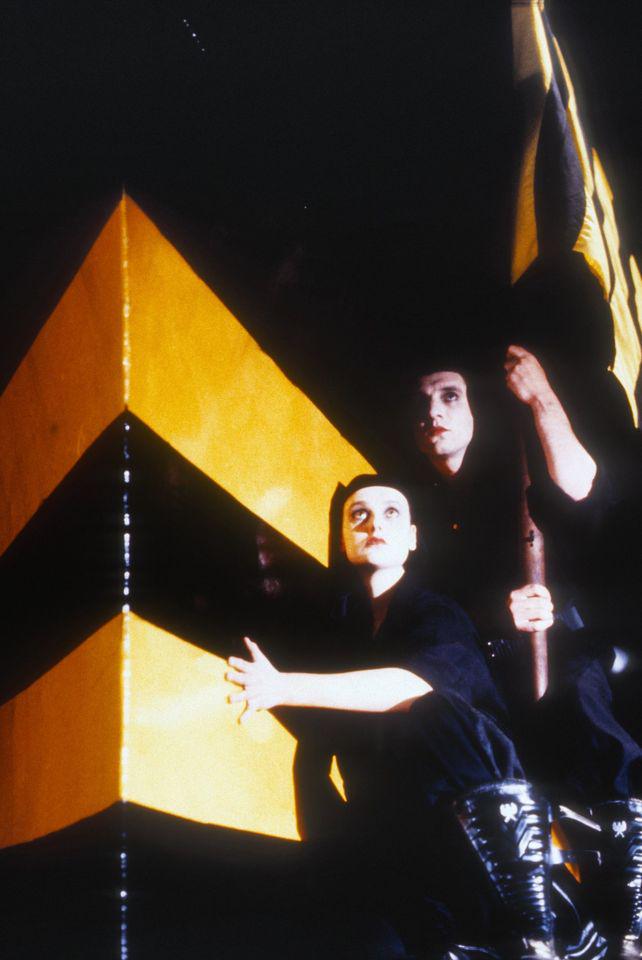
Test Dept.’s Spotify BioLondon's Test Dept. are one of the most influential acts to emerge from the industrial music scene during the early 1980s. More expressly political than their German counterparts Einstürzende Neubauten, Test Dept. followed a similar tack: A creative use of the ethos in which diverse objects (including large amounts of scrap metal and power tools) can be used as instruments. However, Test Dept. were always far more rhythmic, and their concerts were ambitious multimedia events staged at site-specific locations. The group's recordings throughout the 1980s -- including 1984's Beating the Retreat and 1988's Terra Firma -- were innovative collisions of samples, forceful rhythms bashed out on found objects, and aggressive vocals. After venturing into opera and modern classical with 1991's Pax Britannica, the group embraced techno on releases such as 1995's Totality. The group split up in 1997, but reunited two decades later; 2019 full-length Disturbance was an update of their earlier… industrial sound.
Formed in London's New Cross in 1981 by Graham Cunnington, Jonathan Toby Burdon, Paul Hines, Angus Farquhar, and Paul Jamrozy, Test Dept. began making music with whatever material they could find, often salvaged from factory areas and junkyards. The group preferred found materials to conventional instruments, which they couldn't really afford anyway. The quintet became renowned for the staging of huge multimedia events at obscure venues -- a railway works in Glasgow, a sand quarry, Cannon Street Station in London, a Welsh car factory -- and their political agenda, which has included action against apartheid, the rise of neo-Nazism, and Britain's Criminal Justice Act. The group signed to Some Bizarre Records for 1984's Beating the Retreat, and outlined their socialist agenda set to music on the following year's Shoulder to Shoulder, recorded with the South Wales Striking Miners' Choir and released through the group's own Ministry of Power label. 1986 studio effort The Unnacceptable Face of Freedom was followed by 1987's A Good Night Out, a partial live recording which featured arrangements for brass, chorus, and marching drums.
1988's Terra Firma, issued by Sub Rosa in Europe and Wax Trax! in America, was notably softer and less percussive than their typical work. The group's music for theater performance Gododdin, created with Welsh company Brith Gof, was released in 1989. Materia Prima, a document of various performances with Dutch dance group Werk Centrum Dans, appeared in 1990. This was followed by the group's most scathing criticism of British politics, 1991's Pax Britannica, in conjunction with the Scottish Chamber Orchestra and Choir. Live release Proven in Action also appeared that year, with archival performance disc Atonal & Hamburg following in 1992.
Starting with 1991's "New World Order" single, Test Dept. drastically shifted direction, welding their usual samples to techno and rave rhythms, rather than bashing on scrap metal or collaborating with orchestral ensembles. Legacy (1990-1993) collected their initial work in this mode; first released by Jungle Records in 1994, Cleopatra issued it Stateside in 1995. Proper album Totality was released by influential Belgian techno-industrial label KK Records in 1995, and Martin Atkins' Invisible imprint issued an American edition the following year. Following 1997 remix collection Totality 1 & 2: The Mixes and the drum'n'bass-influenced Tactics for Evolution, the group disbanded. Its members remained active with various projects; Farquhar formed theater company NVA and Jamrozy worked with performance group C.3.3., for example.
Test Dept.'s core lineup reunited in 2014 and created the large-scale film installation DS30 at Newcastle industrial landmark Dunston Staiths, commissioned by AV Festival in order to commemorate the 30th anniversary of the U.K. miner's strike. The group released Total State Machine, a book documenting their history, in 2015. Test Dept. organized a three-day festival named Assembly of Disturbance in 2017, featuring exhibitions, films, sculptures, and performances. Disturbance, the first Test Dept. album in over 20 years, was released by One Little Indian in 2019. ~ John Bush & Paul Simpson, Rovi
Viberate is a music analytics platform built for A&Rs, artist managers, labels, booking agents, marketers, and artists.
It helps music professionals track artist growth, analyze audience data, monitor playlist activity, compare artists, follow song performance, and identify opportunities across the music market.
Public artist pages provide a free preview of selected artist data. Paid plans provide access to deeper analytics, historical data, charts, comparisons, playlist tools, exports, alerts, reports, and additional professional features.
Yes. Public Viberate artist pages provide selected artist analytics and music data for free.
Viberate also offers a 7-day free trial of the full platform. A credit card is required to start the trial. The trial includes access to the complete product so users can test deeper artist analytics, historical views, playlist insights, comparisons, charts, exports, alerts, and reporting features before choosing a paid plan.
Viberate provides artist analytics across streaming, playlists, social media, video, radio airplay, songs, and audience markets.
Users can analyze Spotify performance, Spotify and Apple Music playlists, YouTube activity, TikTok and Instagram growth, radio spins, song performance, audience locations, demographics, rankings, and overall artist momentum.
Artist profiles also connect to music charts, similar artists, and comparison tools, helping users benchmark performance and evaluate artists in context.
Viberate updates key artist and track data daily.
For followed artists and tracks, selected data is refreshed multiple times per day. This helps teams monitor playlist changes, streaming movement, audience growth, releases, and campaign performance with more current data.
Update frequency can vary depending on the metric and data source.
Yes. Viberate lets users compare up to five artists side by side across streaming, social media, audience, and engagement metrics.
Users can compare fanbase growth, audience demographics, locations, Spotify performance, social metrics, and other artist data over selected time periods.
Artist comparison can be used for A&R scouting, benchmarking, booking decisions, campaign planning, and evaluating artists with similar audiences or market positions.