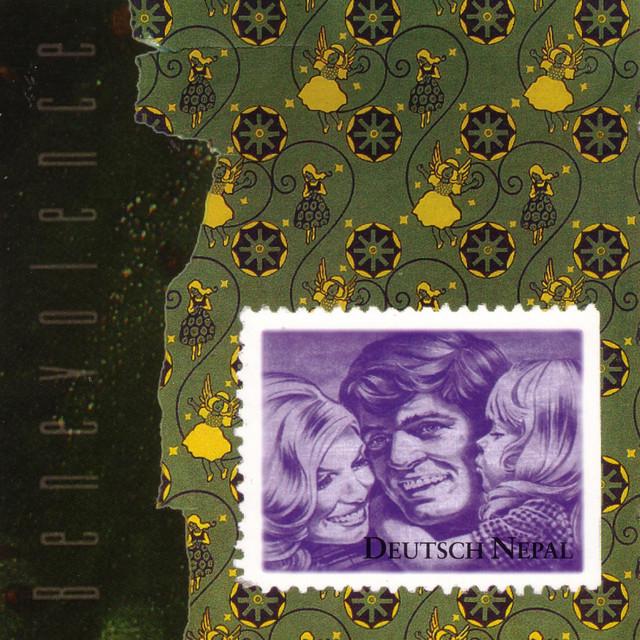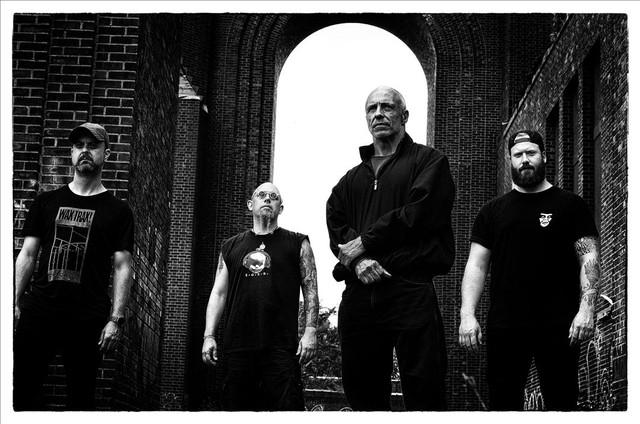
Controlled Bleeding

Rock
Alternative Rock
Other Electronic Music
 Viberate Rank: 238201
 Viberate Rank: 238201
 Monthly ListenersFollowers
 Subscribers
 Followers
 Followers
 FansTop Spotify Songs
| Track | 7-Day Streams | |
|---|---|---|
1 | 297 | |
2 | 178 | |
3 | 153 | |
4 | 145 | |
5 | 109 |
Top YouTube VideosMonthly ListenersFeatured in Playlists| Playlist | Followers | |
|---|---|---|
1 |  GOTH ULTIMATE LIST | DARK WAVE/POST-PUNK/GOTHIC ROCK/EBM/SYNTH/DEATH ROCK Annie Dark | 31.59K |
2 |  Industrial Goth Club floweredcorpse | 20.86K |
3 | Annie Dark | 13.40K |
4 |  Gothy Dark Electro Dance Club Sin Fox | 6.20K |
5 | BDSM Hot🔥 Sex LEO | 5.79K |
Audience| City | Monthly Listeners | |
|---|---|---|
1 | | 63 |
2 | | 54 |
3 | | 50 |
4 |  | 37 |
5 | | 36 |
See full performance history, audience data, playlist activity, rankings, comparisons, and more in Viberate music analytics. Start with a free trial, then continue with a paid plan.
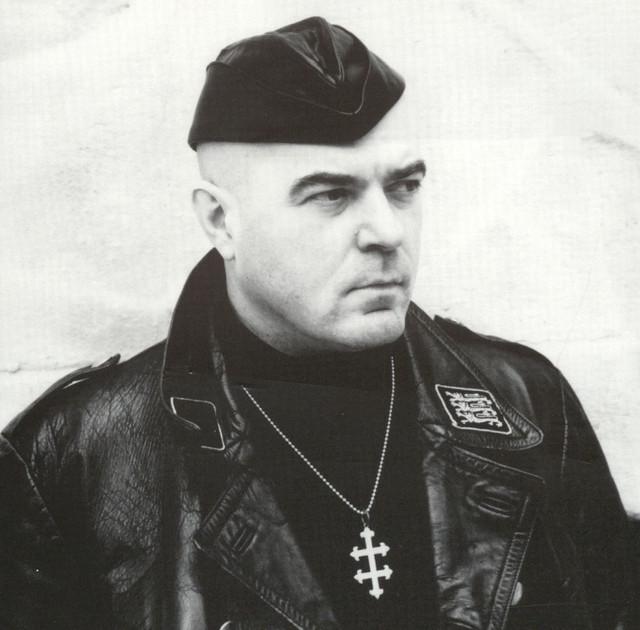
Controlled Bleeding’s Spotify BioFrom the group's inception in the late '70s onward, New York-based Controlled Bleeding have remained one of the most prolific and unpredictable American industrial bands, exploring the extremes of both unchecked sonic fury and free-floating ambient dub. The group's output has varied wildly over the years, from the harsh noise of 1985's Body Samples to medieval-influenced releases such as 1989's Music for Gilded Chambers to the industrial dance of 1992's Penetration. The group explored ambient, dub, and jazz on subsequent releases like 1997's Gilded Shadows and 2002's Can You Smell the Rain Between. During the 2010s, a revamped lineup of Controlled Bleeding produced albums such as 2016's typically wide-ranging Lava Lumps and Baby Bumps.
Led by singer and multi-instrumentalist Paul Lemos, a high-school English teacher by day, Controlled Bleeding formed in Boston around 1978 and soon relocated to Massapequa, New York. Their new wave-influenced debut EP, Wall of China Love Letter, appeared… during the early '80s; a series of abrasive cassettes followed before the group issued its first full-length effort, Knees and Bones, in 1985. Following the typically aggressive Body Samples, also issued in 1985, the 1986 release Between Tides found the group -- consisting of Lemos, drummer Joe Papa, and keyboardist Chris Moriarty -- branching out into more serene, atmospheric work. The trend continued on Head Crack and Curd (both 1986), and by 1987's Core, the first Controlled Bleeding LP issued in their home country, the music had become virtually instrumental, peppered with jazz and even classical elements.
As the group's appetite for change grew, so did its interest in melody, as evidenced by the track "Rings of Fire" from 1989's Wax Trax!-issued Songs from the Grinding Wall EP; however, the same record's lead cut, "Crack the Body," proved that Controlled Bleeding's fascination with industrial noise had not dimmed. Similarly, 1990's full-length Trudge covered a great deal of territory, including a stab at techno on "Crimes of the Body." Hog Floor, issued in 1991, collected remixes, rarities, and unreleased music dating back to Knees and Bones.
As Controlled Bleeding continued to mutate some two decades after the band's inception, the mid-'90s found them focusing on dark ambient styles; Inanition, released in 1996, was a two-disc set in this vein. The full-length album Our Journey's End followed in July of 2000; two years later, Controlled Bleeding released Can You Smell the Rain Between on Tone Casualties. In the following years, the group released a number of compilations, including Shanked and Slithering (Hospital Recordings) and Before the Quiet (MVD Audio).
Before the trio could resume recording new music, Moriarty passed away in March 2008. The following year, Papa died in November. Lemos forged ahead to form a new incarnation of Controlled Bleeding with drummer Anthony Meola and programmers Mike Bazini and Chvad SB. The new Controlled Bleeding lineup returned in late 2016 with Larva Lumps and Baby Bumps, a two-disc LP released on Artoffact Records. The remix-heavy double album Carving Songs followed in 2017. ~ Jason Ankeny & Paul Simpson, Rovi
Viberate is a music analytics platform built for A&Rs, artist managers, labels, booking agents, marketers, and artists.
It helps music professionals track artist growth, analyze audience data, monitor playlist activity, compare artists, follow song performance, and identify opportunities across the music market.
Public artist pages provide a free preview of selected artist data. Paid plans provide access to deeper analytics, historical data, charts, comparisons, playlist tools, exports, alerts, reports, and additional professional features.
Yes. Public Viberate artist pages provide selected artist analytics and music data for free.
Viberate also offers a 7-day free trial of the full platform. A credit card is required to start the trial. The trial includes access to the complete product so users can test deeper artist analytics, historical views, playlist insights, comparisons, charts, exports, alerts, and reporting features before choosing a paid plan.
Viberate provides artist analytics across streaming, playlists, social media, video, radio airplay, songs, and audience markets.
Users can analyze Spotify performance, Spotify and Apple Music playlists, YouTube activity, TikTok and Instagram growth, radio spins, song performance, audience locations, demographics, rankings, and overall artist momentum.
Artist profiles also connect to music charts, similar artists, and comparison tools, helping users benchmark performance and evaluate artists in context.
Viberate updates key artist and track data daily.
For followed artists and tracks, selected data is refreshed multiple times per day. This helps teams monitor playlist changes, streaming movement, audience growth, releases, and campaign performance with more current data.
Update frequency can vary depending on the metric and data source.
Yes. Viberate lets users compare up to five artists side by side across streaming, social media, audience, and engagement metrics.
Users can compare fanbase growth, audience demographics, locations, Spotify performance, social metrics, and other artist data over selected time periods.
Artist comparison can be used for A&R scouting, benchmarking, booking decisions, campaign planning, and evaluating artists with similar audiences or market positions.