Shack

Rock
Pop Rock
Indie Rock
 Viberate Rank: 197958
 Viberate Rank: 197958
 Monthly ListenersFollowers
 Subscribers
 Followers
 Followers
 FansTop Spotify Songs
| Track | 7-Day Streams | |
|---|---|---|
1 | 4.47K | |
2 | 3.73K | |
3 | 1.26K | |
4 | 791 | |
5 | 677 |
Top YouTube VideosMonthly ListenersFeatured in Playlists| Playlist | Followers | |
|---|---|---|
1 |  Made in Liverpool Spotify | 64.92K |
2 |  Soccer AM: The Playlist Soccer AM | 17.95K |
3 |  slumps up daniel 🦦 | 15.75K |
4 |  Background Music for Kissing Del Water Gap | 15.46K |
5 |  Brassic Official Playlist - Every Bangin' Track S1-S7 Sky | 12.48K |
Audience| City | Monthly Listeners | |
|---|---|---|
1 | | 1.54K |
2 | | 1.09K |
3 |  | 832 |
4 | | 579 |
5 | | 543 |
See full performance history, audience data, playlist activity, rankings, comparisons, and more in Viberate music analytics. Start with a free trial, then continue with a paid plan.
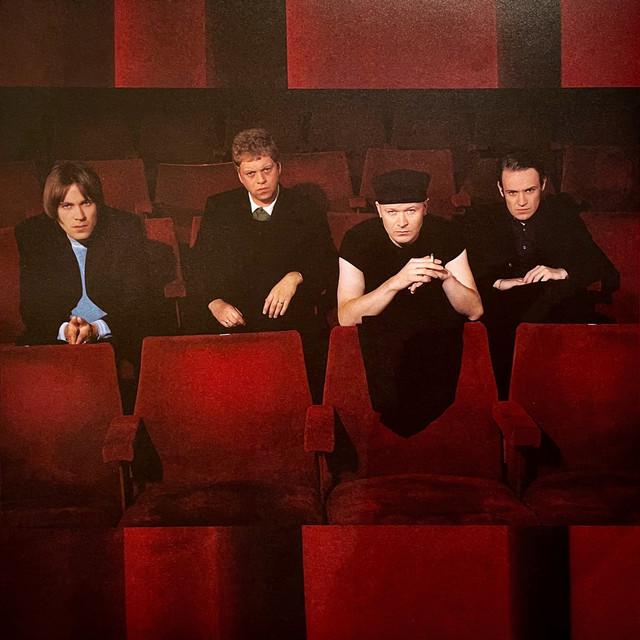
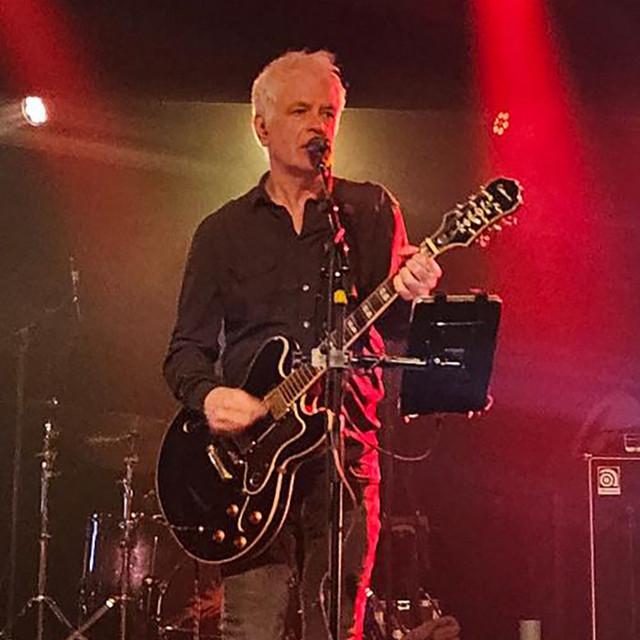
Shack’s Spotify BioShack was formed from the ashes of the Pale Fountains, cult favorites led by Liverpudlian singer/songwriter Michael Head. Chris McCaffrey, the Fountains' bassist and Head's best friend, died from a brain tumor in 1986 and Head began experimenting with drugs, including heroin, which was especially prevalent in his neighborhood. Despite his drug problems, he formed a new group with his brother John, the L-Shaped Room. The brothers later changed the band's name to Shack and released their debut album Zilch in 1988, with friend and roommate Ian Broudie as their producer. Though the album's sales were poor, Shack persevered, recording a new album, Waterpistol, in 1989. However, a fire destroyed the studio and all of the group's tapes, save one copy that the producer had kept; this copy was lost on a road trip in America. The tape was found a year later by the car rental agency the producer had used, and the album was released soon after by the German label Marina. Waterpistol received… strong reviews, but the band had disintegrated by then and the Head brothers went on to back one of their musical heroes, ex-Love singer Arthur Lee, while bass player Pete Wilkinson joined Cast. The Head brothers kept working on new music together however and with the support of French promoter Stephane Bismuth, they recorded an album in 1993 under the name Michael Head & the Strands titled The Magical World of the Strands. Though it was a critical success when finally released in 1997, it didn't catch on with the masses. Michael's heroin addiction continued and his creative output slowed until the late '90s, when Shack began work on their third album, H.M.S. Fable. Though it was delayed several times by Michael's stays in detox, the album was released in the U.K. in the spring of 1999 to critical raves, and a U.S. release appeared in the fall. The follow-up album, Here's Tom with the Weather, arrived in 2003, and the Head brothers, along with drummer Iain Templeton and bassist Pete Wilkinson, appeared on Shack's 2006 album, On the Corner of Miles and Gil, released by Noel Gallagher's Sour Mash label. Drummer Iain Templeton died on December 20, 2022. ~ Heather Phares, Rovi
Viberate is a music analytics platform built for A&Rs, artist managers, labels, booking agents, marketers, and artists.
It helps music professionals track artist growth, analyze audience data, monitor playlist activity, compare artists, follow song performance, and identify opportunities across the music market.
Public artist pages provide a free preview of selected artist data. Paid plans provide access to deeper analytics, historical data, charts, comparisons, playlist tools, exports, alerts, reports, and additional professional features.
Yes. Public Viberate artist pages provide selected artist analytics and music data for free.
Viberate also offers a 7-day free trial of the full platform. A credit card is required to start the trial. The trial includes access to the complete product so users can test deeper artist analytics, historical views, playlist insights, comparisons, charts, exports, alerts, and reporting features before choosing a paid plan.
Viberate provides artist analytics across streaming, playlists, social media, video, radio airplay, songs, and audience markets.
Users can analyze Spotify performance, Spotify and Apple Music playlists, YouTube activity, TikTok and Instagram growth, radio spins, song performance, audience locations, demographics, rankings, and overall artist momentum.
Artist profiles also connect to music charts, similar artists, and comparison tools, helping users benchmark performance and evaluate artists in context.
Viberate updates key artist and track data daily.
For followed artists and tracks, selected data is refreshed multiple times per day. This helps teams monitor playlist changes, streaming movement, audience growth, releases, and campaign performance with more current data.
Update frequency can vary depending on the metric and data source.
Yes. Viberate lets users compare up to five artists side by side across streaming, social media, audience, and engagement metrics.
Users can compare fanbase growth, audience demographics, locations, Spotify performance, social metrics, and other artist data over selected time periods.
Artist comparison can be used for A&R scouting, benchmarking, booking decisions, campaign planning, and evaluating artists with similar audiences or market positions.