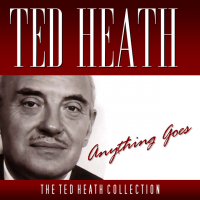
Ted Heath

Jazz
Big band Jazz
Swing
 Viberate Rank: 211260
 Viberate Rank: 211260
 Monthly ListenersFollowers
 Subscribers
 Followers
 Followers
 FansTop Spotify Songs
| Track | 7-Day Streams | |
|---|---|---|
1 | 3.91K | |
2 | 933 | |
3 | 910 | |
4 | 480 | |
5 | 480 |
Top YouTube VideosMonthly ListenersFeatured in Playlists| Playlist | Followers | |
|---|---|---|
1 | 1930's music Pat Grah | 35.11K |
2 |  Essential Classics Essential Classics | 31.39K |
3 |  Halloween Vintage 50s 60s Fernando Crow | 21.01K |
4 | Muzak / Mallsoft / Mall Music Background Ambience 9636 | 9.08K |
5 | Nina Simone, Ella Fitzgerald, Duke Ellington & Louis Armstrong and more JAZZ Alexander Nikolov | 7.80K |
Audience| City | Monthly Listeners | |
|---|---|---|
1 |  | 211 |
2 | | 157 |
3 |  | 151 |
4 | | 143 |
5 | | 99 |
See full performance history, audience data, playlist activity, rankings, comparisons, and more in Viberate music analytics. Start with a free trial, then continue with a paid plan.
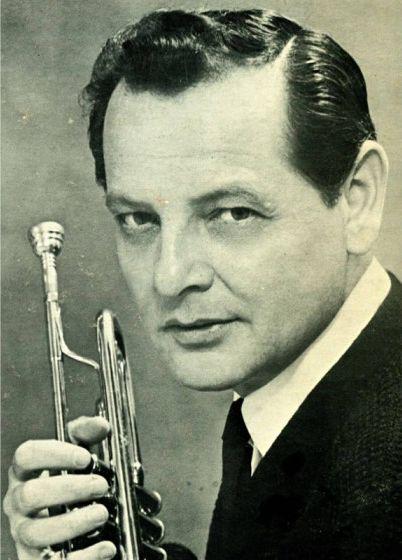
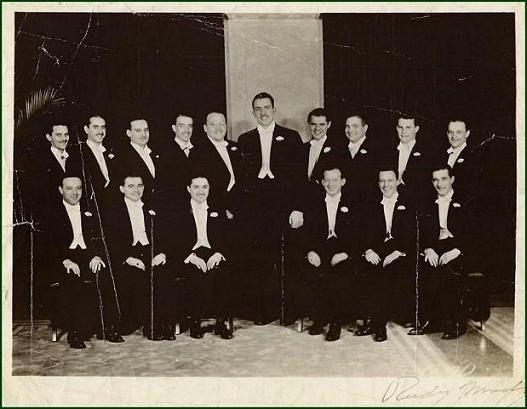
Ted Heath’s Spotify BioTed Heath was one of the most famous big-band leaders in Great Britain of the 1950s. His bands played modernized swing music that was always danceable but occasionally had worthwhile solos played in the tradition. Heath started out playing tenor horn before he switched to trombone when he was 14. He spent a period playing as a street musician and then was discovered by Jack Hylton, who hired him for his band. Heath had long stints as a sideman with a variety of top dance bands, including ensembles led by Bert Firman (1924-1925), Hylton again (1925-1927), Ambrose (1928-1936), Sydney Lipton (1936-1939), and Geraldo (1939-1944). Heath began leading his own big band in 1944 and, through regular appearances on the radio, tours, and concerts, he soon became a household name in England. The innovations of bebop were largely ignored in favor of playing swing-oriented charts, although some of Heath's soloists (particularly Ronnie Scott, Danny Moss, Don Rendell, and Kenny Baker) became notable… as jazz players. Heath, whose band was always of high musicianship and used "Listen to the Music" as its theme song, also became well known in the United States, visiting the U.S. several times starting in 1956. His orchestra recorded quite frequently starting in 1944 (mostly for Decca and London), including ten albums in 1959 alone. Even after Ted Heath's death in 1969, the big band continued performing and recording with a live concert cut as late as 1977. ~ Scott Yanow, Rovi
Viberate is a music analytics platform built for A&Rs, artist managers, labels, booking agents, marketers, and artists.
It helps music professionals track artist growth, analyze audience data, monitor playlist activity, compare artists, follow song performance, and identify opportunities across the music market.
Public artist pages provide a free preview of selected artist data. Paid plans provide access to deeper analytics, historical data, charts, comparisons, playlist tools, exports, alerts, reports, and additional professional features.
Yes. Public Viberate artist pages provide selected artist analytics and music data for free.
Viberate also offers a 7-day free trial of the full platform. A credit card is required to start the trial. The trial includes access to the complete product so users can test deeper artist analytics, historical views, playlist insights, comparisons, charts, exports, alerts, and reporting features before choosing a paid plan.
Viberate provides artist analytics across streaming, playlists, social media, video, radio airplay, songs, and audience markets.
Users can analyze Spotify performance, Spotify and Apple Music playlists, YouTube activity, TikTok and Instagram growth, radio spins, song performance, audience locations, demographics, rankings, and overall artist momentum.
Artist profiles also connect to music charts, similar artists, and comparison tools, helping users benchmark performance and evaluate artists in context.
Viberate updates key artist and track data daily.
For followed artists and tracks, selected data is refreshed multiple times per day. This helps teams monitor playlist changes, streaming movement, audience growth, releases, and campaign performance with more current data.
Update frequency can vary depending on the metric and data source.
Yes. Viberate lets users compare up to five artists side by side across streaming, social media, audience, and engagement metrics.
Users can compare fanbase growth, audience demographics, locations, Spotify performance, social metrics, and other artist data over selected time periods.
Artist comparison can be used for A&R scouting, benchmarking, booking decisions, campaign planning, and evaluating artists with similar audiences or market positions.