Pee Wee Hunt

Jazz
Free Jazz
Classical Crossover
 Viberate Rank: 249250
 Viberate Rank: 249250
 Monthly ListenersFollowers
 Subscribers
 Followers
 Followers
 FansTop Spotify Songs
| Track | 7-Day Streams | |
|---|---|---|
1 | 5.47K | |
2 | 700 | |
3 | 582 | |
4 | 404 | |
5 | 388 |
Top YouTube VideosMonthly ListenersFeatured in Playlists| Playlist | Followers | |
|---|---|---|
1 | Wasteland Radio Expanded Neale Christopher Zeringue | 76.98K |
2 |  Essential Classics Essential Classics | 31.39K |
3 |  1940s Hits (Billboard #1 Singles) aviakinard | 24.13K |
4 | 20s 30s 40s Music Sean McKenzie | 16.82K |
5 | Charleston - Swing - Jazz Kevin Imbrechts | 14.95K |
Audience| City | Monthly Listeners | |
|---|---|---|
1 |  | 720 |
2 |  | 315 |
3 |  | 138 |
4 | | 134 |
5 |  | 133 |
See full performance history, audience data, playlist activity, rankings, comparisons, and more in Viberate music analytics. Start with a free trial, then continue with a paid plan.
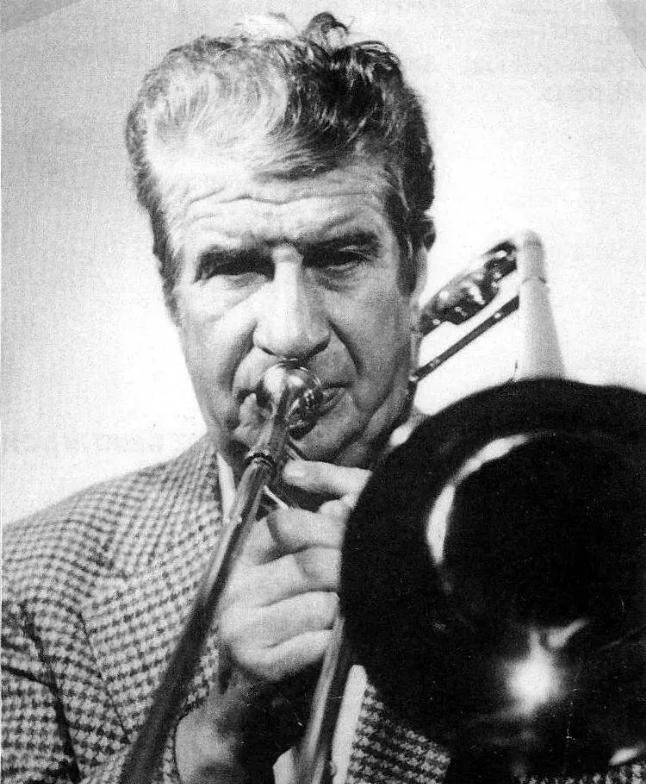
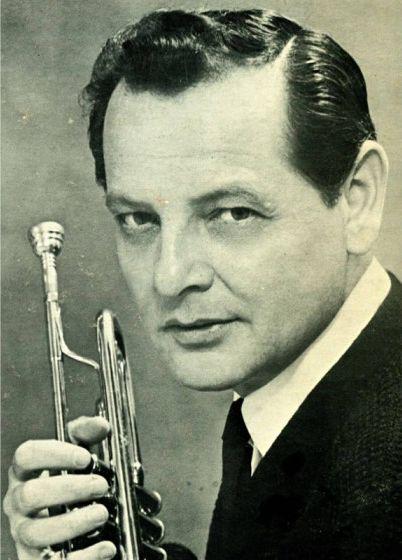
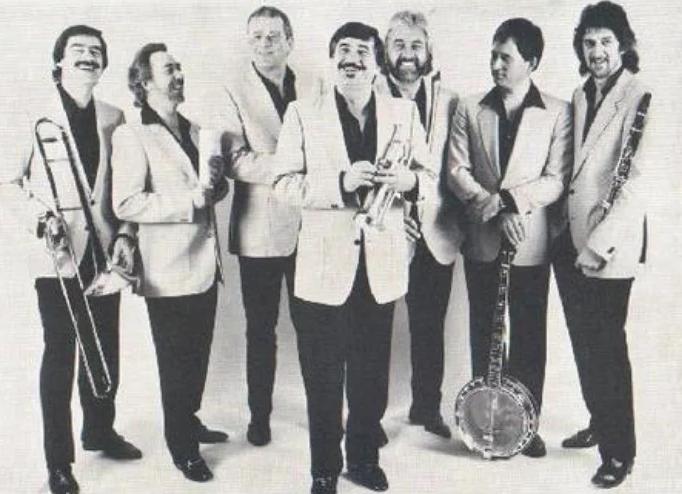
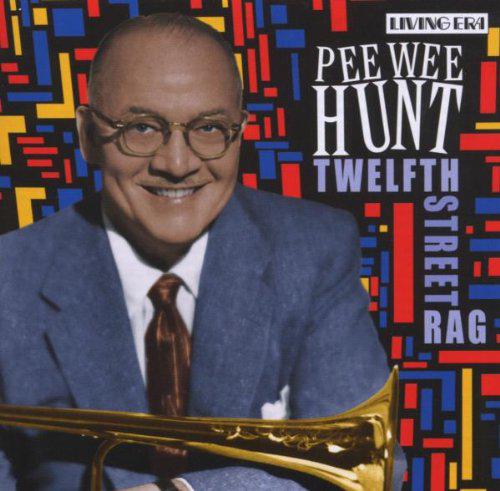
Pee Wee Hunt’s Spotify BioIn 1948, trombonist Pee Wee Hunt and his band were fooling around at a Capitol recording session. They performed a satirical version of "Twelfth Street Rag" that found them playing like amateur Dixielanders and renegades of 1921-style jazz. The Capitol executives were delighted, the performance was released, and to everyone's surprise, it became a major hit! Prior to that spontaneous performance, Hunt had been best-known for his long period with the Casa Loma Orchestra. His father had been a violinist and his mother a guitarist, so music was a natural part of his life. Hunt was actually a banjoist originally; he started playing when he was 17. Soon he was doubling on trombone and playing in local bands on both instruments before eventually dropping the banjo. He was with Jean Goldkette's Orchestra for a period in Kansas City (1927-1928 after the Bix Beiderbecke period), worked with the Hollywood Theatre Orchestra in Detroit, and then in 1929 became one of the founders of the Casa Loma… Orchestra, which would eventually be taken over by Glen Gray. Hunt had occasional trombone solos and was probably most notable for his good-humored (and sometimes comedic) vocals. He remained with the Casa Loma Orchestra for 14 years until departing in May 1943 to settle in Los Angeles. Hunt was a disc jockey for a time in Hollywood, served with the U.S. Merchant Marine, and in 1946, formed his own Dixieland group. The success of "Twelfth Street Rag" resulted in the trombonist recording many more dates for Capitol (up until 1962) although no further hits resulted. Pee Wee Hunt remained active into the '70s. ~ Scott Yanow, Rovi
Viberate is a music analytics platform built for A&Rs, artist managers, labels, booking agents, marketers, and artists.
It helps music professionals track artist growth, analyze audience data, monitor playlist activity, compare artists, follow song performance, and identify opportunities across the music market.
Public artist pages provide a free preview of selected artist data. Paid plans provide access to deeper analytics, historical data, charts, comparisons, playlist tools, exports, alerts, reports, and additional professional features.
Yes. Public Viberate artist pages provide selected artist analytics and music data for free.
Viberate also offers a 7-day free trial of the full platform. A credit card is required to start the trial. The trial includes access to the complete product so users can test deeper artist analytics, historical views, playlist insights, comparisons, charts, exports, alerts, and reporting features before choosing a paid plan.
Viberate provides artist analytics across streaming, playlists, social media, video, radio airplay, songs, and audience markets.
Users can analyze Spotify performance, Spotify and Apple Music playlists, YouTube activity, TikTok and Instagram growth, radio spins, song performance, audience locations, demographics, rankings, and overall artist momentum.
Artist profiles also connect to music charts, similar artists, and comparison tools, helping users benchmark performance and evaluate artists in context.
Viberate updates key artist and track data daily.
For followed artists and tracks, selected data is refreshed multiple times per day. This helps teams monitor playlist changes, streaming movement, audience growth, releases, and campaign performance with more current data.
Update frequency can vary depending on the metric and data source.
Yes. Viberate lets users compare up to five artists side by side across streaming, social media, audience, and engagement metrics.
Users can compare fanbase growth, audience demographics, locations, Spotify performance, social metrics, and other artist data over selected time periods.
Artist comparison can be used for A&R scouting, benchmarking, booking decisions, campaign planning, and evaluating artists with similar audiences or market positions.