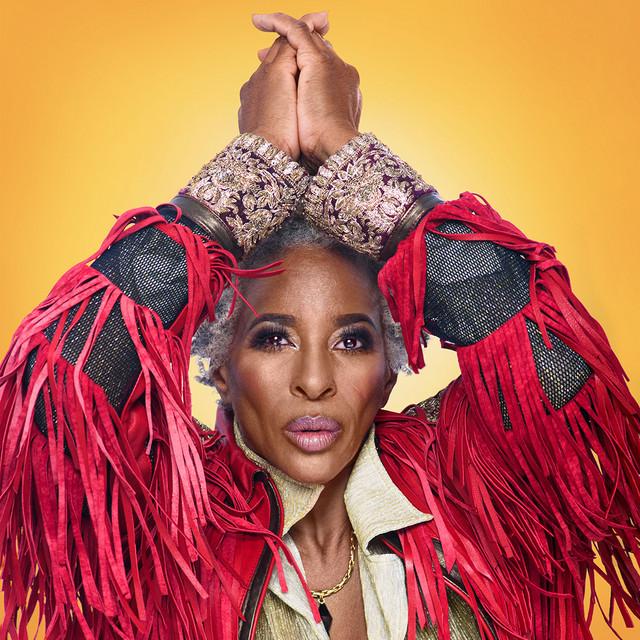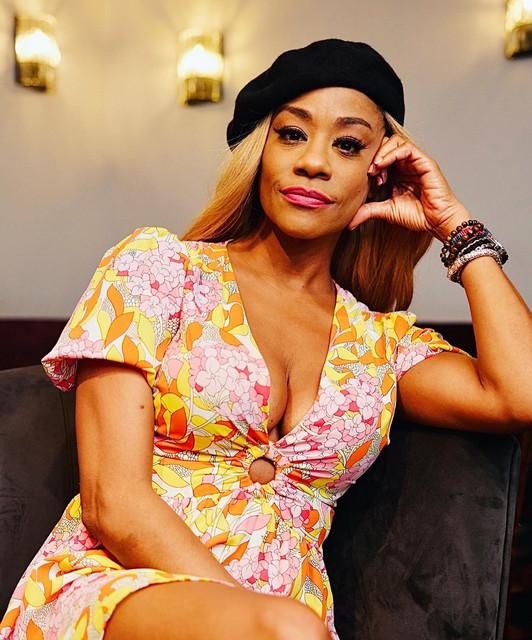
Tasha Taylor

R&B
Contemporary R&B
Contemporary Blues
 Viberate Rank: 228695
 Viberate Rank: 228695
 Monthly ListenersFollowers
 Subscribers
 Followers
 Followers
 FansTop Spotify Songs
| Track | 7-Day Streams | |
|---|---|---|
1 | 2.63K | |
2 | 876 | |
3 | 771 | |
4 | 403 | |
5 | 341 |
Top YouTube VideosMonthly ListenersFeatured in Playlists| Playlist | Followers | |
|---|---|---|
1 |  Blues Live & Loud Spotify | 208.43K |
2 |  Funky, Jazzy, Soul Grooves ☀️ by Don's Tunes Don's Tunes | 12.38K |
3 |  Keeping The Blues Alive At Sea Joe Bonamassa | 3.86K |
4 |  Morning Blues Alex Malakmadze | 2.57K |
5 | BLUS Biergarten Mönchshof | 2.39K |
Audience| City | Monthly Listeners | |
|---|---|---|
1 |  | 182 |
2 |  | 132 |
3 |  | 132 |
4 |  | 127 |
5 | | 116 |
See full performance history, audience data, playlist activity, rankings, comparisons, and more in Viberate music analytics. Start with a free trial, then continue with a paid plan.
Tasha Taylor’s Spotify BioIt's easy to say Tasha Taylor was born to the blues. The daughter of Stax soul legend Johnnie Taylor, Tasha literally grew up surrounded by music. She'd often leave her hometown of Dallas to go on tour with her father, learning the grind of the music business firsthand. Perhaps that's the reason why Tasha Taylor didn't initially follow her father's footsteps. She wanted to be an actress, earning some television roles when she was a kid -- she had one-shot appearances on episodes of The Wayans Bros., Malcolm & Eddie, Family Matters, and Moesha, among others -- and decided to study drama at Boston University. After college, she landed appearances on Ugly Betty (2006) and House M.D. (2007), but she found herself drawn back to music. Taylor sang with Jack Mack & the Heart Attack and then became part of Dan Aykroyd and Jim Belushi's revived Blues Brothers tour revue. Simultaneously, she began placing solo songs on soundtracks -- she had cuts on both Men in Trees and Lipstick Jungle -- which… led to the release of her debut album, Revival, in 2008. In 2011, she released a second album, Taylormade, a de facto salute to her father. In 2016, she signed with Ruf and released her third album, Honey for the Biscuit. Taylor supported the album with a package tour called Blues Caravan, which also featured Canadian singer Layla Zoe and Finnish singer Ina Forsman. Ruf released a souvenir of this tour, Blues Caravan: Blue Sisters, in February 2017. ~ Stephen Thomas Erlewine, Rovi
Viberate is a music analytics platform built for A&Rs, artist managers, labels, booking agents, marketers, and artists.
It helps music professionals track artist growth, analyze audience data, monitor playlist activity, compare artists, follow song performance, and identify opportunities across the music market.
Public artist pages provide a free preview of selected artist data. Paid plans provide access to deeper analytics, historical data, charts, comparisons, playlist tools, exports, alerts, reports, and additional professional features.
Yes. Public Viberate artist pages provide selected artist analytics and music data for free.
Viberate also offers a 7-day free trial of the full platform. A credit card is required to start the trial. The trial includes access to the complete product so users can test deeper artist analytics, historical views, playlist insights, comparisons, charts, exports, alerts, and reporting features before choosing a paid plan.
Viberate provides artist analytics across streaming, playlists, social media, video, radio airplay, songs, and audience markets.
Users can analyze Spotify performance, Spotify and Apple Music playlists, YouTube activity, TikTok and Instagram growth, radio spins, song performance, audience locations, demographics, rankings, and overall artist momentum.
Artist profiles also connect to music charts, similar artists, and comparison tools, helping users benchmark performance and evaluate artists in context.
Viberate updates key artist and track data daily.
For followed artists and tracks, selected data is refreshed multiple times per day. This helps teams monitor playlist changes, streaming movement, audience growth, releases, and campaign performance with more current data.
Update frequency can vary depending on the metric and data source.
Yes. Viberate lets users compare up to five artists side by side across streaming, social media, audience, and engagement metrics.
Users can compare fanbase growth, audience demographics, locations, Spotify performance, social metrics, and other artist data over selected time periods.
Artist comparison can be used for A&R scouting, benchmarking, booking decisions, campaign planning, and evaluating artists with similar audiences or market positions.