Layla Zoe

Blues
Blues Rock
Contemporary Blues
 Viberate Rank: 175975
 Viberate Rank: 175975
 Monthly ListenersFollowers
 Subscribers
 Followers
 Followers
 FansTop Spotify Songs
| Track | 7-Day Streams | |
|---|---|---|
1 | 3.88K | |
2 | 1.91K | |
3 | 1.63K | |
4 | 1.19K | |
5 | 960 |
Top YouTube Videos| Video | 7-Day Views | |
|---|---|---|
1 | 97 | |
2 | 64 | |
3 | 38 | |
4 | 30 | |
5 | 24 |
Monthly ListenersFeatured in Playlists| Playlist | Followers | |
|---|---|---|
1 |  Blue Ballads Spotify | 592.00K |
2 |  Women of Blues Spotify | 273.74K |
3 |  Blues Live & Loud Spotify | 208.43K |
4 |  Blues Ballads/ Slow Blues Joar Fosså | 39.54K |
5 |  Slow Blues & Blues Rock | Don's Tunes Don's Tunes | 19.74K |
Audience| City | Monthly Listeners | |
|---|---|---|
1 |  | 331 |
2 |  | 303 |
3 | | 299 |
4 |  | 262 |
5 |  | 238 |
See full performance history, audience data, playlist activity, rankings, comparisons, and more in Viberate music analytics. Start with a free trial, then continue with a paid plan.
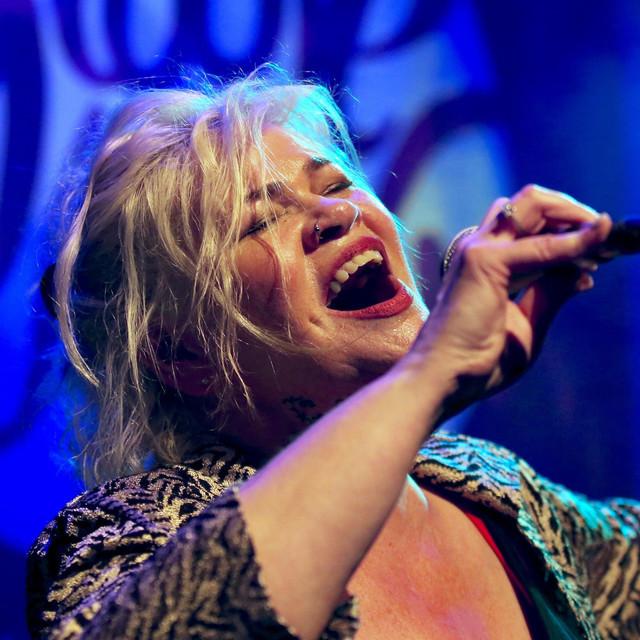
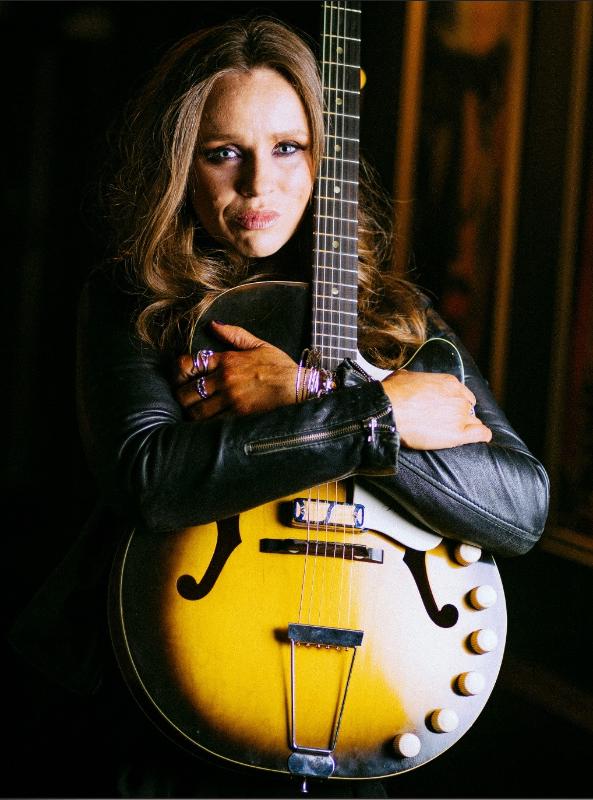
Layla Zoe’s Spotify BioLayla Zoe is an internationally recognized blues singer/songwriter from Vancouver, British Columbia. Zoe's talent as a singer was apparent from a young age when, after discovering her father's blues record collection, she took a turn fronting his band. After singing for another local blues band in her late teens, Zoe struck out on her own, relocating to Toronto and releasing her solo debut, Shades of Blue, in 2006. When she won top prize at a Finnish songwriter competition that same year, it opened up the door to touring and recording opportunities throughout Europe. Over the next five years, Zoe would release four more albums, eventually signing with Cable Car Records, a label owned by German blues guitarist Henrik Freischlader, with whom she also collaborated. Back in Canada, she collaborated with heavy-hitters like Sonny Landreth and Jeff Healey. Her powerhouse voice has often been compared to that of Janis Joplin. Zoe's 2013 LP, The Lily, proved to be somewhat of a breakout and was… considered one of Down Beat magazine's best blues albums of the year. Following 2015's Live at Spirit of 66 concert album, Zoe signed with another German blues label, Ruf Records, and released her sixth studio effort, Breaking Free. ~ Timothy Monger, Rovi
Viberate is a music analytics platform built for A&Rs, artist managers, labels, booking agents, marketers, and artists.
It helps music professionals track artist growth, analyze audience data, monitor playlist activity, compare artists, follow song performance, and identify opportunities across the music market.
Public artist pages provide a free preview of selected artist data. Paid plans provide access to deeper analytics, historical data, charts, comparisons, playlist tools, exports, alerts, reports, and additional professional features.
Yes. Public Viberate artist pages provide selected artist analytics and music data for free.
Viberate also offers a 7-day free trial of the full platform. A credit card is required to start the trial. The trial includes access to the complete product so users can test deeper artist analytics, historical views, playlist insights, comparisons, charts, exports, alerts, and reporting features before choosing a paid plan.
Viberate provides artist analytics across streaming, playlists, social media, video, radio airplay, songs, and audience markets.
Users can analyze Spotify performance, Spotify and Apple Music playlists, YouTube activity, TikTok and Instagram growth, radio spins, song performance, audience locations, demographics, rankings, and overall artist momentum.
Artist profiles also connect to music charts, similar artists, and comparison tools, helping users benchmark performance and evaluate artists in context.
Viberate updates key artist and track data daily.
For followed artists and tracks, selected data is refreshed multiple times per day. This helps teams monitor playlist changes, streaming movement, audience growth, releases, and campaign performance with more current data.
Update frequency can vary depending on the metric and data source.
Yes. Viberate lets users compare up to five artists side by side across streaming, social media, audience, and engagement metrics.
Users can compare fanbase growth, audience demographics, locations, Spotify performance, social metrics, and other artist data over selected time periods.
Artist comparison can be used for A&R scouting, benchmarking, booking decisions, campaign planning, and evaluating artists with similar audiences or market positions.