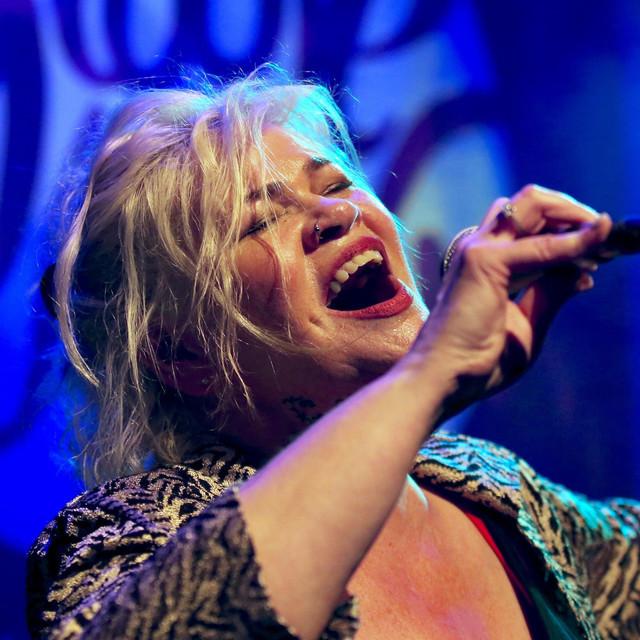
Deborah Coleman

Blues
Classic Blues
Contemporary Blues
 Viberate Rank: 213630
 Viberate Rank: 213630
 Monthly ListenersFollowers
 Subscribers
 Followers
 Followers
 FansTop Spotify Songs
| Track | 7-Day Streams | |
|---|---|---|
1 | 4.93K | |
2 | 544 | |
3 | 397 | |
4 | 310 | |
5 | 209 |
Top YouTube VideosMonthly ListenersFeatured in Playlists| Playlist | Followers | |
|---|---|---|
1 |  Women of Blues Spotify | 273.70K |
2 |  Blues Instrumental Joar Fosså | 45.46K |
3 |  Blues Ballads/ Slow Blues Joar Fosså | 39.54K |
4 |  The Best Female Blues & Jazz Vocals | Don's Tunes Don's Tunes | 14.93K |
5 | jazz,funk,soul,blues,afrobeat,latin İlker Özalp | 11.48K |
Audience| City | Monthly Listeners | |
|---|---|---|
1 |  | 216 |
2 |  | 216 |
3 | | 183 |
4 |  | 173 |
5 |  | 165 |
See full performance history, audience data, playlist activity, rankings, comparisons, and more in Viberate music analytics. Start with a free trial, then continue with a paid plan.
Deborah Coleman’s Spotify BioAlthough she was a powerful blues guitarist, songwriter, and singer, Deborah Coleman got her first inspiration from an unlikely place: seeing the pop group the Monkees on TV. Born in Portsmouth, Virginia and raised in a military family, Coleman took to music easily enough, since her dad played piano, two brothers played guitar, and a sister played guitar and keyboards. She picked up the guitar at age eight after seeing the Monkees and began to play professionally at 15, playing bass with a series of Portsmouth-area R&B and rock bands. She later switched to guitar after hearing Jimi Hendrix, also taking to James Brown and the Beatles. Coleman began buying records by blues-rock groups like Cream and Led Zeppelin, and slowly followed the music's origins back to basic blues.
When she was 25, she got married and focused on raising her daughter while working day jobs as a nurse and electrician. After her daughter was old enough to leave home alone, Coleman began to play out again, locally at… first. In 1985, she began working with an all-female group, Moxxie. When that group split up in 1988, she got her blues chops together as part of an R&B trio. After two years of touring with the trio, Coleman did some woodshedding, seeing as many blues acts as she could live and studying blues recordings. She got the break she was looking for in 1993 when she entered the Charleston (South Carolina) Blues Festival's National Talent Search. Leading her own band, she took first place. She immediately put together her own touring group, the Thrillseekers, and began a solo career as a bandleader.
Coleman used her contest prize of free studio time to record a demo and secure a record deal with New Moon Records out of Chapel Hill, North Carolina. Her debut, Takin' a Stand, was released in 1995 on that label, and she followed it up two years later with I Can't Lose, her first album for Blind Pig. Coleman returned in 1998 with Where Blue Begins; Soft Place to Fall followed in the spring of 2000. She released her fifth album for Blind Pig, Livin' on Love, in 2001, further consolidating her position as one of the top active blueswomen. Making this designation somewhat official, Coleman won the Orville Gibson Award for "Best Blues Guitarist, Female" in 2001. She was also nominated for a W.C. Handy Award for the fourth time. Released in 2002, Soul Be It was her last record for Blind Pig, as 2004's What About Love? appeared on Coleman's new home, Telarc. Stop the Game and Time Bomb (the latter a collaboration with Sue Foley and Roxanne Potvin) followed in 2007. Sadly, complications from pneumonia and bronchitis led to Coleman's death in April 2018 at the age of 61. ~ Richard Skelly, Rovi
Viberate is a music analytics platform built for A&Rs, artist managers, labels, booking agents, marketers, and artists.
It helps music professionals track artist growth, analyze audience data, monitor playlist activity, compare artists, follow song performance, and identify opportunities across the music market.
Public artist pages provide a free preview of selected artist data. Paid plans provide access to deeper analytics, historical data, charts, comparisons, playlist tools, exports, alerts, reports, and additional professional features.
Yes. Public Viberate artist pages provide selected artist analytics and music data for free.
Viberate also offers a 7-day free trial of the full platform. A credit card is required to start the trial. The trial includes access to the complete product so users can test deeper artist analytics, historical views, playlist insights, comparisons, charts, exports, alerts, and reporting features before choosing a paid plan.
Viberate provides artist analytics across streaming, playlists, social media, video, radio airplay, songs, and audience markets.
Users can analyze Spotify performance, Spotify and Apple Music playlists, YouTube activity, TikTok and Instagram growth, radio spins, song performance, audience locations, demographics, rankings, and overall artist momentum.
Artist profiles also connect to music charts, similar artists, and comparison tools, helping users benchmark performance and evaluate artists in context.
Viberate updates key artist and track data daily.
For followed artists and tracks, selected data is refreshed multiple times per day. This helps teams monitor playlist changes, streaming movement, audience growth, releases, and campaign performance with more current data.
Update frequency can vary depending on the metric and data source.
Yes. Viberate lets users compare up to five artists side by side across streaming, social media, audience, and engagement metrics.
Users can compare fanbase growth, audience demographics, locations, Spotify performance, social metrics, and other artist data over selected time periods.
Artist comparison can be used for A&R scouting, benchmarking, booking decisions, campaign planning, and evaluating artists with similar audiences or market positions.