Talulah Gosh

Pop
Indie Pop
 Viberate Rank: 276259
 Viberate Rank: 276259
 Monthly ListenersFollowers
 Subscribers
 Followers
 Followers
 FansTop Spotify Songs
| Track | 7-Day Streams | |
|---|---|---|
1 | 2.76K | |
2 | 1.57K | |
3 | 1.00K | |
4 | 611 | |
5 | 374 |
Top YouTube VideosMonthly ListenersFeatured in Playlists| Playlist | Followers | |
|---|---|---|
1 |  Everything Sucks! Official Playlist Netflix | 20.57K |
2 |  1990s Punk & Indie Numero Group | 16.21K |
3 |  Surf rock/psychadelic/jingly jangly Sam Gbr Vy | 8.46K |
4 |  NME C86, C87, C88, C89, C90 & C91: Indie Cassette Classics Cherry Red Records | 7.72K |
5 |  The Sound of Twee Pop The Sounds of Spotify | 7.05K |
Audience| City | Monthly Listeners | |
|---|---|---|
1 |  | 229 |
2 | | 201 |
3 | | 180 |
4 | | 171 |
5 | | 130 |
See full performance history, audience data, playlist activity, rankings, comparisons, and more in Viberate music analytics. Start with a free trial, then continue with a paid plan.
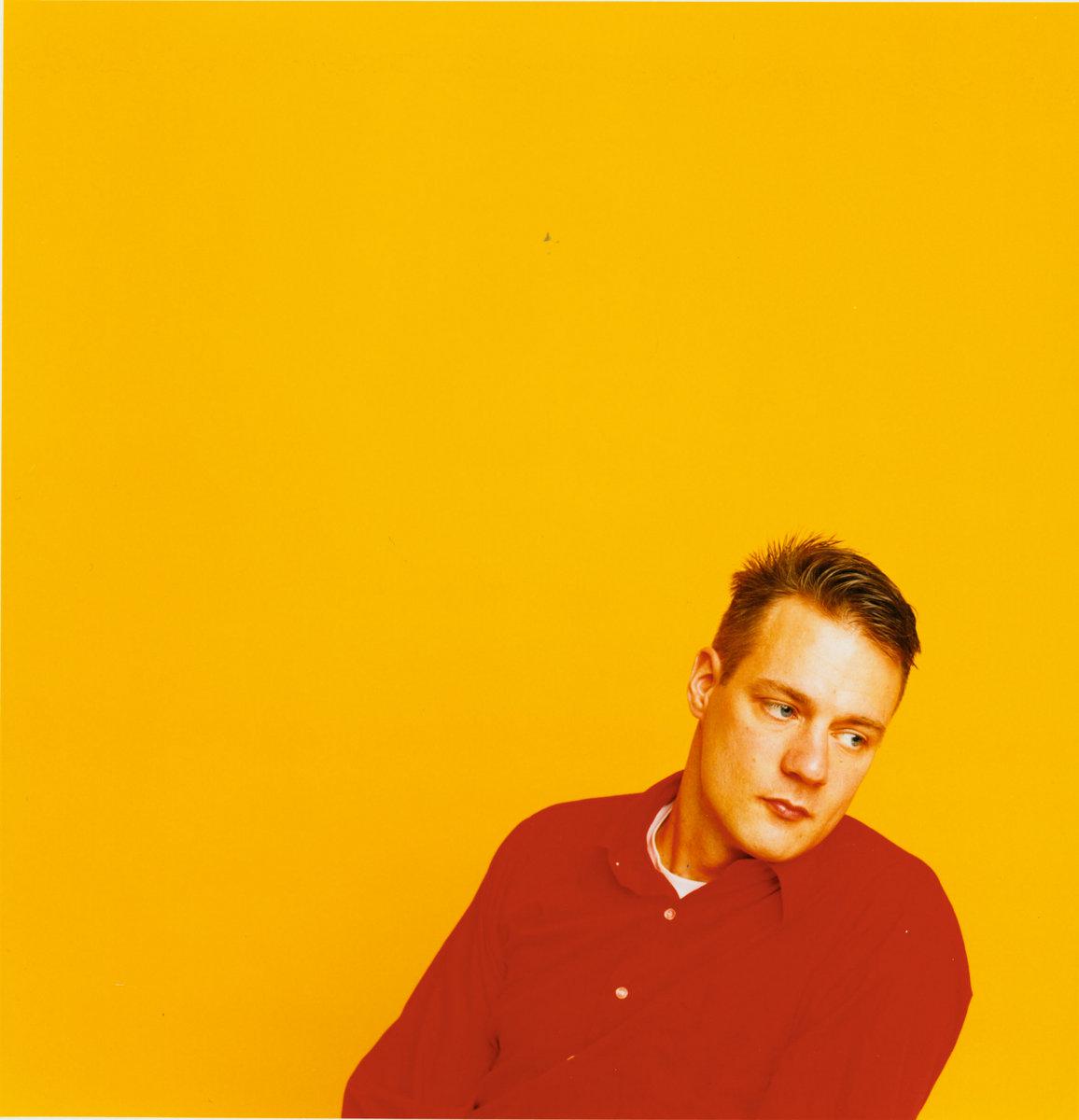
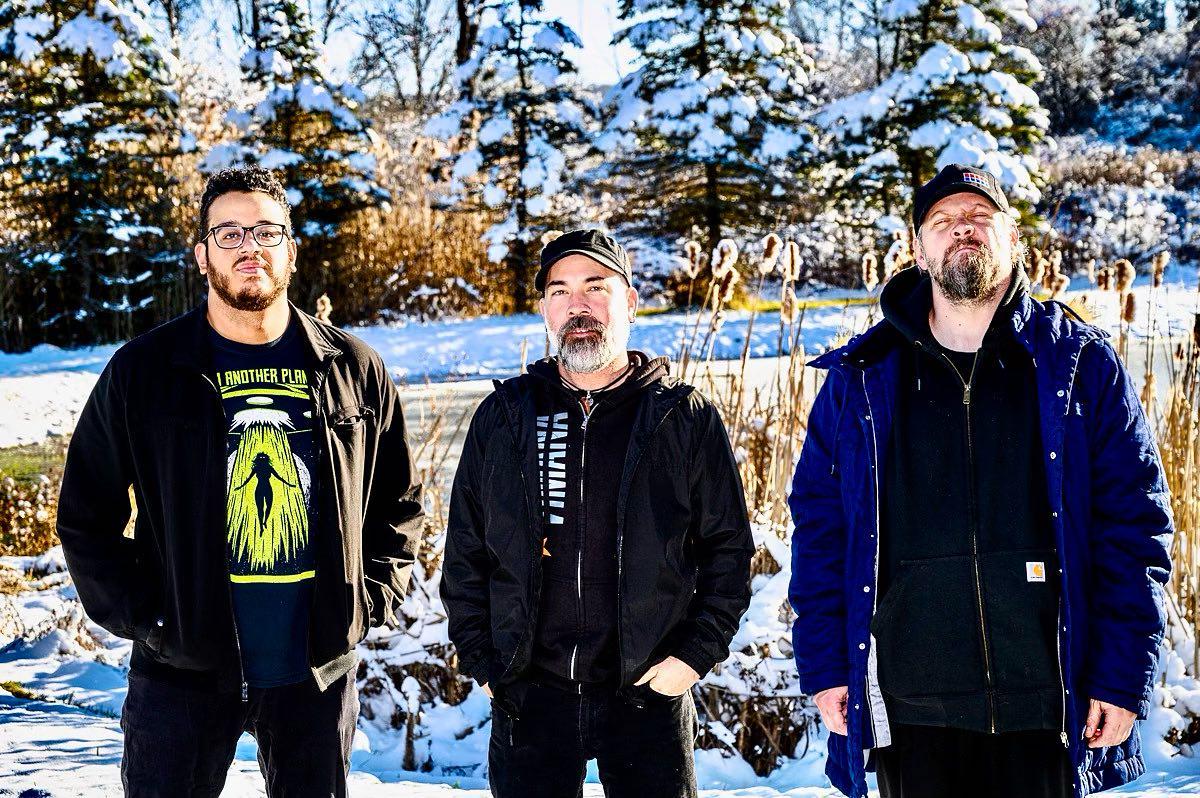
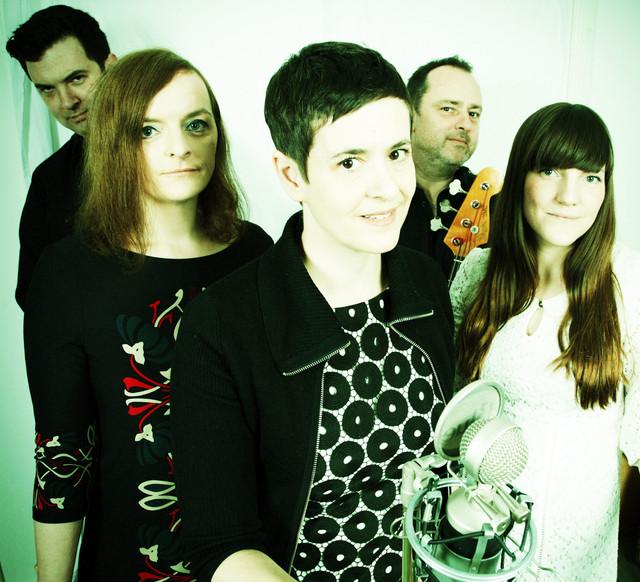
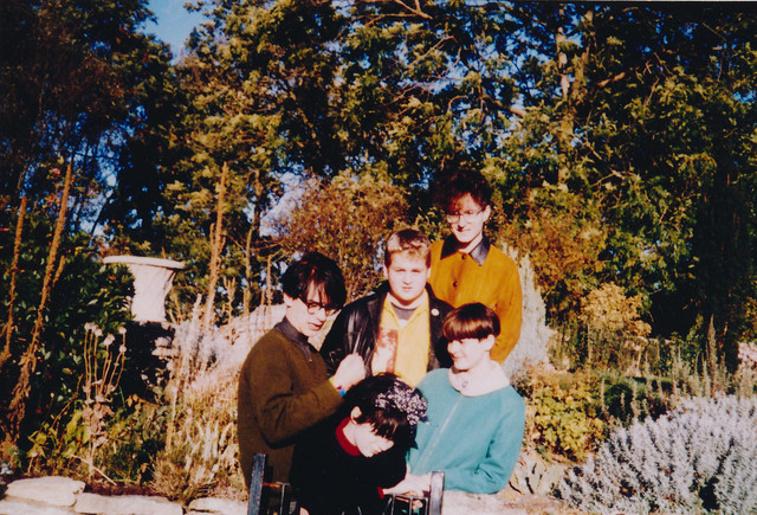
Talulah Gosh’s Spotify BioAvatars of the British twee pop movement, Talulah Gosh formed in late 1985 when economics student Amelia Fletcher and struggling artist Elizabeth Price met at an Oxford area club; both were wearing Pastels badges, and their common love for indie rock prompted them to immediately found their own group. Originally intending to form a post-punk variation on '60s-era girl groups, neither of the aspiring vocalists had the time or energy to find compatible female musicians, so they instead recruited Fletcher's 15-year-old brother Mathew on drums, her record-store clerk boyfriend Peter Momtchiloff on guitar, and Chris Scott on bass; Rob Pursey, who rounded out the initial Talulah Gosh roster, exited after only three shows.
The band bowed in March 1986, opening for the Razorcuts; their introductory song was "Pastels Badge," a celebration of their origins. Soon Talulah Gosh made their recording debut with "I Told You So," one side of a split flexi-disc with the Razorcuts issued on the tiny… Sha-La-La label (whose owner, Matt Haynes, went on to co-found the highly influential Sarah Records imprint). A session for the BBC Radio One's Janice Long show followed before they signed to the Edinburgh label 53rd and 3rd, releasing their debut EP, Steaming Train, in 1987; the group's jangly, winsome songs and cotton-candy vocals won them a fervent cult following, and placed Talulah Gosh at the forefront of what the U.K. press dubbed the "shambling" scene.
Prior to the release of Steaming Train, Price left the band, having grown tired of their haphazard, out-of-tune live shows -- guitars broke, amplifiers shorted out, and cymbals crashed over, forcing the group to attempt to repair their instruments between songs. With Eithne Farry sharing vocal duties, Talulah Gosh returned to the studio in 1987 to record their second EP, Where's the Cougar, Matey?; a single, "Testcard Girl," followed, but after a final John Peel session, the group splintered in February 1988 to allow its members to continue their university careers. The Fletcher siblings and Momtchiloff later reunited in Heavenly, which also featured original Gosh bassist Rob Pursey. ~ Jason Ankeny, Rovi
Viberate is a music analytics platform built for A&Rs, artist managers, labels, booking agents, marketers, and artists.
It helps music professionals track artist growth, analyze audience data, monitor playlist activity, compare artists, follow song performance, and identify opportunities across the music market.
Public artist pages provide a free preview of selected artist data. Paid plans provide access to deeper analytics, historical data, charts, comparisons, playlist tools, exports, alerts, reports, and additional professional features.
Yes. Public Viberate artist pages provide selected artist analytics and music data for free.
Viberate also offers a 7-day free trial of the full platform. A credit card is required to start the trial. The trial includes access to the complete product so users can test deeper artist analytics, historical views, playlist insights, comparisons, charts, exports, alerts, and reporting features before choosing a paid plan.
Viberate provides artist analytics across streaming, playlists, social media, video, radio airplay, songs, and audience markets.
Users can analyze Spotify performance, Spotify and Apple Music playlists, YouTube activity, TikTok and Instagram growth, radio spins, song performance, audience locations, demographics, rankings, and overall artist momentum.
Artist profiles also connect to music charts, similar artists, and comparison tools, helping users benchmark performance and evaluate artists in context.
Viberate updates key artist and track data daily.
For followed artists and tracks, selected data is refreshed multiple times per day. This helps teams monitor playlist changes, streaming movement, audience growth, releases, and campaign performance with more current data.
Update frequency can vary depending on the metric and data source.
Yes. Viberate lets users compare up to five artists side by side across streaming, social media, audience, and engagement metrics.
Users can compare fanbase growth, audience demographics, locations, Spotify performance, social metrics, and other artist data over selected time periods.
Artist comparison can be used for A&R scouting, benchmarking, booking decisions, campaign planning, and evaluating artists with similar audiences or market positions.