Bunnygrunt

Pop
Indie Pop
Indie Rock
Mainstream Pop
 Viberate Rank: 477101
 Viberate Rank: 477101
 Monthly ListenersFollowers
 Subscribers
 Followers
 Followers
 FansTop Spotify Songs
| Track | 7-Day Streams | |
|---|---|---|
1 | 365 | |
2 | 171 | |
3 | 96 | |
4 | 42 | |
5 | 30 |
Top YouTube VideosMonthly ListenersFeatured in Playlists| Playlist | Followers | |
|---|---|---|
1 |  The Sound of Twee Pop The Sounds of Spotify | 7.04K |
2 | Tweepop, C86, Jangle Pop! Jean Pereira | 4.46K |
3 |  twee pop is just the smiths but happier elly.lau | 3.89K |
4 |  twee&first loves.ೃ ani | 3.30K |
5 |  femme punk rock riot grrrl garage stuff JORDZ | 1.50K |
Audience| City | Monthly Listeners | |
|---|---|---|
1 | | 37 |
2 | | 34 |
3 | | 25 |
4 | | 25 |
5 | | 21 |
See full performance history, audience data, playlist activity, rankings, comparisons, and more in Viberate music analytics. Start with a free trial, then continue with a paid plan.
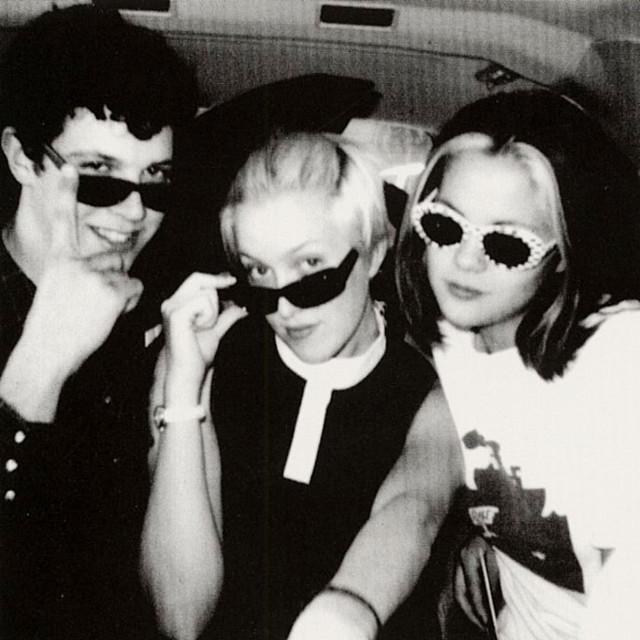
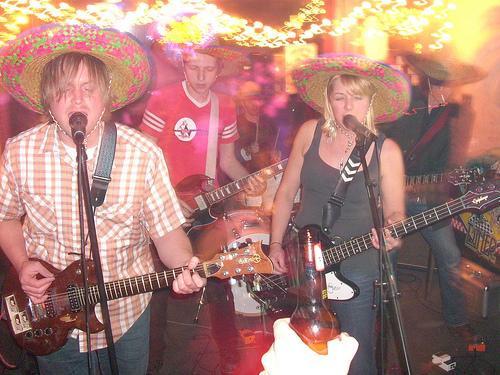
Bunnygrunt’s Spotify BioThe world's cutest band, St. Louis-based cuddlecore trio Bunnygrunt originally comprised guitarist Matt Harnish, drummer Karen Ried, and bassist Renee Dullum, all three of whom swapped vocal duties. Formed in early 1993, the group debuted later that year with the Silly Moo label single "Criminal Boy"; a series of other 7"s followed, among them the EPs Standing Hampton and The Bunnygrunt Family Notebook. Signing to the No Life label, Bunnygrunt recorded their debut LP, 1995's Action Pants! According to rumor, when Dullum quit the band prior to the album's completion, she abruptly took all of her songs with her, accounting for the disc's brief running time and scant number of tracks. With new bassist Jen Wolfe, Bunnygrunt returned in 1998 with the superior Jen-Fi; the trio disbanded soon after, with Harnish and Ried continuing on as the See-Thrus. Bunnygrunt reunited in 2003, and the rarities collection In the Valley of Lonesome Phil appeared in 2004. Full-length Karen Hater's Club was… released by Happy Happy Birthday to Me in 2005. Matt Harnish & Other Delights surfaced in 2009, and tribute album You Wanna Be Just Like Bunnygrunt came out in 2013. Vol. 4 (actually Bunnygrunt's fifth studio album) appeared in 2015. Compilation My First Bells 1993-1994 was released by Silly Moo in 2018. ~ Jason Ankeny, Rovi
Viberate is a music analytics platform built for A&Rs, artist managers, labels, booking agents, marketers, and artists.
It helps music professionals track artist growth, analyze audience data, monitor playlist activity, compare artists, follow song performance, and identify opportunities across the music market.
Public artist pages provide a free preview of selected artist data. Paid plans provide access to deeper analytics, historical data, charts, comparisons, playlist tools, exports, alerts, reports, and additional professional features.
Yes. Public Viberate artist pages provide selected artist analytics and music data for free.
Viberate also offers a 7-day free trial of the full platform. A credit card is required to start the trial. The trial includes access to the complete product so users can test deeper artist analytics, historical views, playlist insights, comparisons, charts, exports, alerts, and reporting features before choosing a paid plan.
Viberate provides artist analytics across streaming, playlists, social media, video, radio airplay, songs, and audience markets.
Users can analyze Spotify performance, Spotify and Apple Music playlists, YouTube activity, TikTok and Instagram growth, radio spins, song performance, audience locations, demographics, rankings, and overall artist momentum.
Artist profiles also connect to music charts, similar artists, and comparison tools, helping users benchmark performance and evaluate artists in context.
Viberate updates key artist and track data daily.
For followed artists and tracks, selected data is refreshed multiple times per day. This helps teams monitor playlist changes, streaming movement, audience growth, releases, and campaign performance with more current data.
Update frequency can vary depending on the metric and data source.
Yes. Viberate lets users compare up to five artists side by side across streaming, social media, audience, and engagement metrics.
Users can compare fanbase growth, audience demographics, locations, Spotify performance, social metrics, and other artist data over selected time periods.
Artist comparison can be used for A&R scouting, benchmarking, booking decisions, campaign planning, and evaluating artists with similar audiences or market positions.