Cub

Rock
Pop Rock
Indie Rock
 Viberate Rank: 270491
 Viberate Rank: 270491
 Monthly ListenersFollowers
 Subscribers
 Followers
 Followers
 FansTop Spotify Songs
| Track | 7-Day Streams | |
|---|---|---|
1 | 1.98K | |
2 | 956 | |
3 | 849 | |
4 | 602 | |
5 | 593 |
Top YouTube VideosMonthly ListenersFeatured in Playlists| Playlist | Followers | |
|---|---|---|
1 |  Summer Friends NotDavis | 17.66K |
2 | 90s Women of Alt-Rock mlkitaura | 14.61K |
3 |  but im a cheerleader soundtrack megan espie | 10.58K |
4 | Songs About New York Joel Caballero | 9.82K |
5 |  Apocalypse Vibes Malina | 9.28K |
Audience| City | Monthly Listeners | |
|---|---|---|
1 |  | 202 |
2 | | 201 |
3 | | 181 |
4 | | 157 |
5 | | 156 |
See full performance history, audience data, playlist activity, rankings, comparisons, and more in Viberate music analytics. Start with a free trial, then continue with a paid plan.
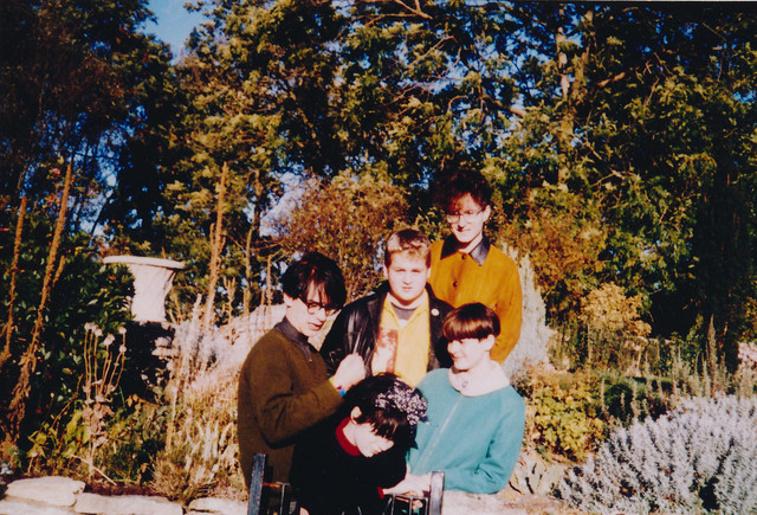
Cub’s Spotify BioCrush pop trio Cub formed in 1992 after vocalist/bassist Lisa Marr, guitarist Robynn Iwata, and drummer Valeria Fellini met while working at the college radio station of their alma mater, the University of British Columbia. Despite no prior musical experience -- throughout the band's first year, Iwata played live seated on the stage while looking at cheat sheets for chord progressions -- Cub's live shows (during which the group often tossed candy to the audience) won their unique brand of simple, infectious punk-pop a cult following on the Vancouver club circuit, and in October 1992 the trio issued their debut EP, Pep, on Mint Records, the Vancouver-based label co-owned by Iwata's brother Randy.
Following the release of Betti-Cola -- a superb collection of EP tracks and new recordings complete with a Josie and the Pussycats-styled cover by famed Archie Comics artist Dan DeCarlo -- Fellini left the band; she was replaced by drummer Lisa G., whom Marr met through the pages of the fanzine… Self-Esteem Queen. After the release of 1994's Come Out, Come Out, Mint signed a distribution deal with the U.S. punk label Lookout!, which brought increased visibility to the release of 1996's edgier Box of Hair; Mauler, another collection of singles, followed in early 1997. On June 10 of that year, a series of three handwritten messages posted on the Mint Records website -- one from each member -- announced Cub's breakup. ~ Jason Ankeny, Rovi
Viberate is a music analytics platform built for A&Rs, artist managers, labels, booking agents, marketers, and artists.
It helps music professionals track artist growth, analyze audience data, monitor playlist activity, compare artists, follow song performance, and identify opportunities across the music market.
Public artist pages provide a free preview of selected artist data. Paid plans provide access to deeper analytics, historical data, charts, comparisons, playlist tools, exports, alerts, reports, and additional professional features.
Yes. Public Viberate artist pages provide selected artist analytics and music data for free.
Viberate also offers a 7-day free trial of the full platform. A credit card is required to start the trial. The trial includes access to the complete product so users can test deeper artist analytics, historical views, playlist insights, comparisons, charts, exports, alerts, and reporting features before choosing a paid plan.
Viberate provides artist analytics across streaming, playlists, social media, video, radio airplay, songs, and audience markets.
Users can analyze Spotify performance, Spotify and Apple Music playlists, YouTube activity, TikTok and Instagram growth, radio spins, song performance, audience locations, demographics, rankings, and overall artist momentum.
Artist profiles also connect to music charts, similar artists, and comparison tools, helping users benchmark performance and evaluate artists in context.
Viberate updates key artist and track data daily.
For followed artists and tracks, selected data is refreshed multiple times per day. This helps teams monitor playlist changes, streaming movement, audience growth, releases, and campaign performance with more current data.
Update frequency can vary depending on the metric and data source.
Yes. Viberate lets users compare up to five artists side by side across streaming, social media, audience, and engagement metrics.
Users can compare fanbase growth, audience demographics, locations, Spotify performance, social metrics, and other artist data over selected time periods.
Artist comparison can be used for A&R scouting, benchmarking, booking decisions, campaign planning, and evaluating artists with similar audiences or market positions.