Syreeta

R&B
Contemporary R&B
Soul
 Viberate Rank: 163629
 Viberate Rank: 163629
 Monthly ListenersFollowers
 Subscribers
 Followers
 Followers
 FansTop Spotify Songs
| Track | 7-Day Streams | |
|---|---|---|
1 | 38.67K | |
2 | 8.60K | |
3 | 4.67K | |
4 | 3.84K | |
5 | 2.86K |
Top YouTube VideosMonthly ListenersFeatured in Playlists| Playlist | Followers | |
|---|---|---|
1 |  Motown Motown Records | 223.34K |
2 | 100 Motown Classics kimberlyj7 | 63.33K |
3 |  Caribou - The Longest Mixtape: 1000+ Songs For You Caribou | 53.23K |
4 |  Jacob's Optimum Music Feast Jacob Collier | 47.95K |
5 |  Cruisin' Love Songs thedarkden | 39.00K |
Audience| City | Monthly Listeners | |
|---|---|---|
1 |  | 2.53K |
2 |  | 1.39K |
3 | | 1.32K |
4 | | 1.15K |
5 |  | 1.14K |
See full performance history, audience data, playlist activity, rankings, comparisons, and more in Viberate music analytics. Start with a free trial, then continue with a paid plan.
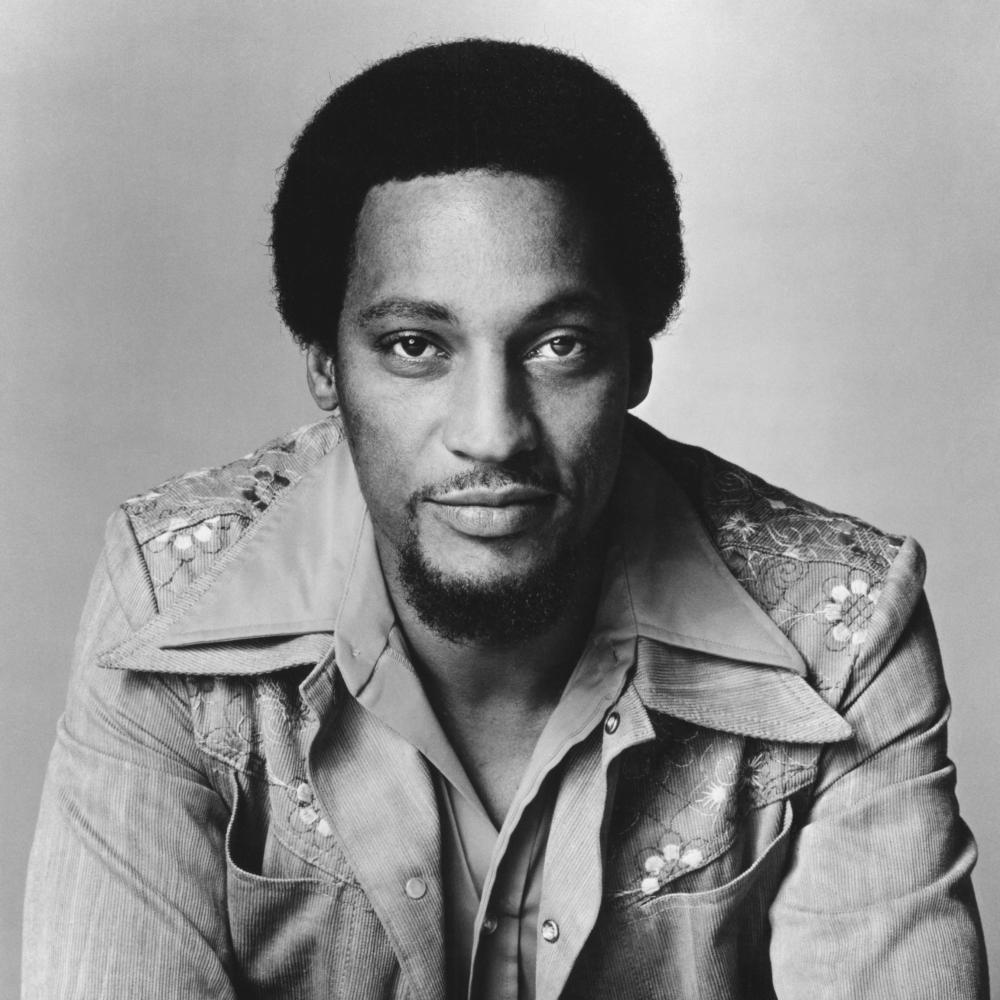
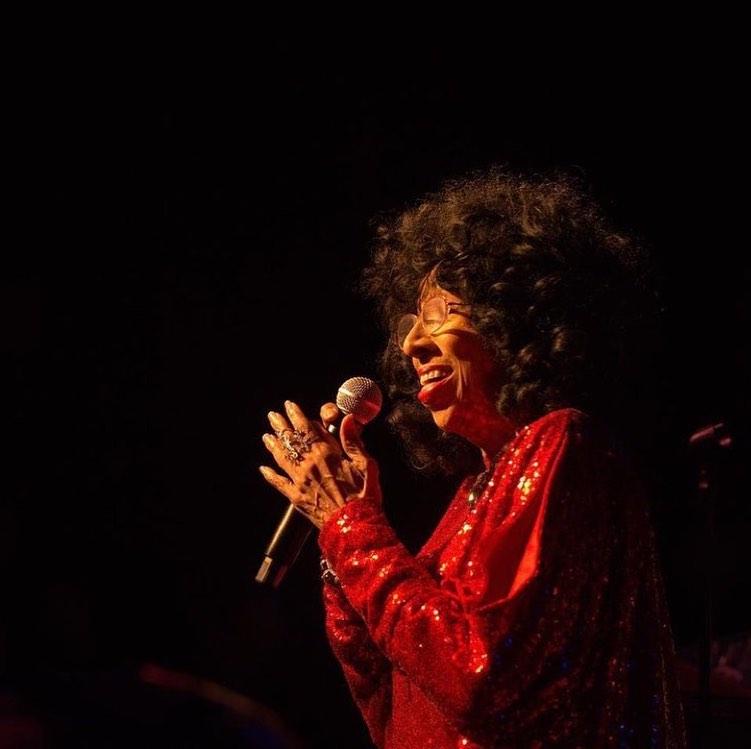
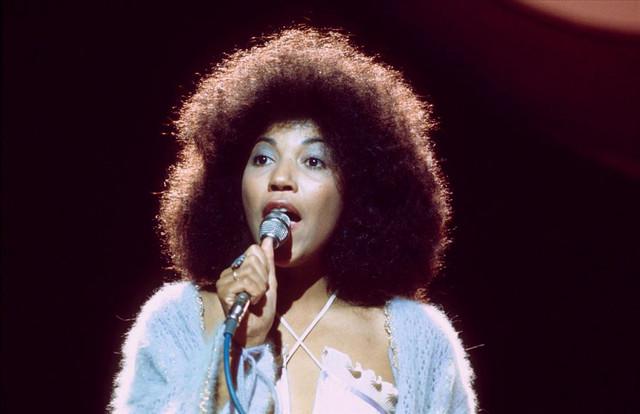
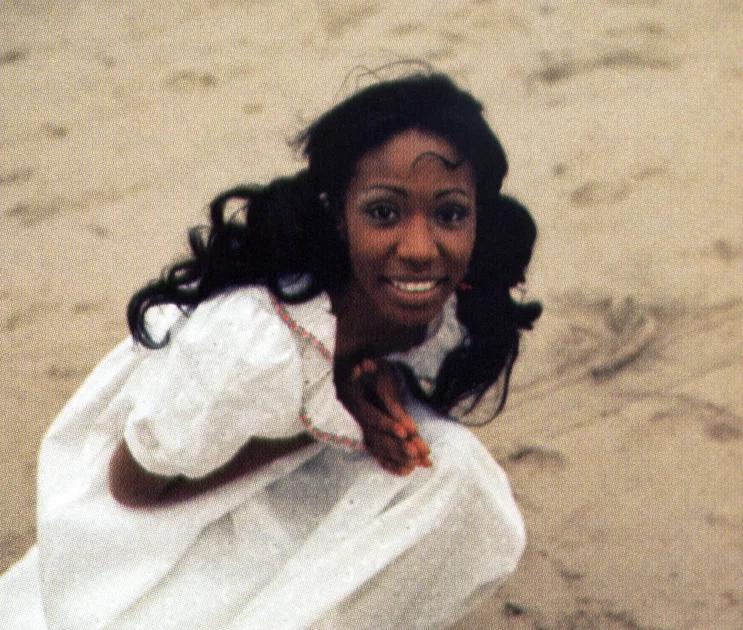
Syreeta’s Spotify BioSome performers, such as Florence Ballard, were ground up in the Motown hitmaking machine -- and a few, like Syreeta, found their callings and success in other parts of the music business. Born in Pittsburgh, Rita Wright had her sights set on a performing career, and luckily her family moved to Detroit when she was in her teens and she had the talent to back up the goal. She came to the company as a secretary and was later discovered by Brian Holland, one third of the Holland-Dozier-Holland songwriting team, who began using her as a backup singer on various records and brought her to Berry Gordy's attention. He was so impressed with Wright's voice that he signed her up and later gave her a song, "I Can't Give Back the Love I Feel for You," co-authored by Holland, Ashford, and Simpson, that originally had been intended for Diana Ross. In Wright's hands (credited to Rita Wright), the single did well enough, especially overseas, where she later discovered she had a serious following.… Wright later met and fell in love with Stevie Wonder, and the two were married in September of 1970 -- by that time, she was using the name Syreeta, which is how she became best known to the public.
The personal union lasted only two years, but it led her into a new area of music, as a lyricist. Wonder began setting her poems to music, and she realized that she was able to write songs; their collaboration as composers and artists outlasted the marriage by three years, and led to some superb work in both departments. Their subsequent hits together included "If You Really Love Me," "Signed, Sealed, Delivered," and "It's a Shame" -- her biggest hits, "Spinnin' and Spinnin'" and "Your Kiss Is Sweet," were also Wonder/Wright collaborations. Syreeta released her first album under that name in 1972, on the Motown MoWest imprint -- Syreeta, produced by Stevie Wonder, was one of the more beautifully made records issued by the label in the 1970s and gave her voice the first fully realized showcase it ever had. They issued two more albums together, and she remained with the label for nine more years, as part of the tiny group of "inside" artists (along with her ex) who were more than just business acquaintances. She scored a number five hit in 1980 with the ballad "With You I'm Born Again," a duet with Billy Preston, and also recorded duets with Jermaine Jackson, among other artists on the label, during the early '80s. Syreeta retired from full-time music work in the mid-'80s in order to devote herself to her personal life and family, but she remained a much-loved artist from Motown's silver age. After a long battle with cancer, Syreeta passed away July 6, 2004. ~ Bruce Eder, Rovi
Viberate is a music analytics platform built for A&Rs, artist managers, labels, booking agents, marketers, and artists.
It helps music professionals track artist growth, analyze audience data, monitor playlist activity, compare artists, follow song performance, and identify opportunities across the music market.
Public artist pages provide a free preview of selected artist data. Paid plans provide access to deeper analytics, historical data, charts, comparisons, playlist tools, exports, alerts, reports, and additional professional features.
Yes. Public Viberate artist pages provide selected artist analytics and music data for free.
Viberate also offers a 7-day free trial of the full platform. A credit card is required to start the trial. The trial includes access to the complete product so users can test deeper artist analytics, historical views, playlist insights, comparisons, charts, exports, alerts, and reporting features before choosing a paid plan.
Viberate provides artist analytics across streaming, playlists, social media, video, radio airplay, songs, and audience markets.
Users can analyze Spotify performance, Spotify and Apple Music playlists, YouTube activity, TikTok and Instagram growth, radio spins, song performance, audience locations, demographics, rankings, and overall artist momentum.
Artist profiles also connect to music charts, similar artists, and comparison tools, helping users benchmark performance and evaluate artists in context.
Viberate updates key artist and track data daily.
For followed artists and tracks, selected data is refreshed multiple times per day. This helps teams monitor playlist changes, streaming movement, audience growth, releases, and campaign performance with more current data.
Update frequency can vary depending on the metric and data source.
Yes. Viberate lets users compare up to five artists side by side across streaming, social media, audience, and engagement metrics.
Users can compare fanbase growth, audience demographics, locations, Spotify performance, social metrics, and other artist data over selected time periods.
Artist comparison can be used for A&R scouting, benchmarking, booking decisions, campaign planning, and evaluating artists with similar audiences or market positions.