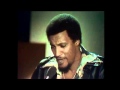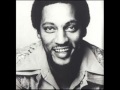
Johnny Bristol

R&B
Soul
 Viberate Rank: 97322
 Viberate Rank: 97322
 Monthly ListenersFollowers
 Subscribers
 Followers
 Followers
 FansTop Spotify Songs
| Track | 7-Day Streams | |
|---|---|---|
1 | 54.37K | |
2 | 4.75K | |
3 | 2.90K | |
4 | 2.49K | |
5 | 1.80K |
Top YouTube VideosMonthly ListenersFeatured in Playlists| Playlist | Followers | |
|---|---|---|
1 |  70s Soul Classics Spotify | 1.88M |
2 |  The Black Power Mixtape 1967–1975 Spotify | 834.23K |
3 |  Soul Train 70s Disco and Funk djlarras | 69.74K |
4 |  Star-Lord's Zune caro | 63.52K |
5 | Easy Jazz & Soft Lounge Music Jón Gerald Sullenberger | 26.13K |
Audience| City | Monthly Listeners | |
|---|---|---|
1 |  | 5.01K |
2 | | 2.19K |
3 |  | 1.79K |
4 |  | 1.37K |
5 |  | 1.32K |
See full performance history, audience data, playlist activity, rankings, comparisons, and more in Viberate music analytics. Start with a free trial, then continue with a paid plan.
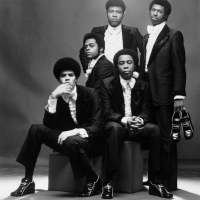
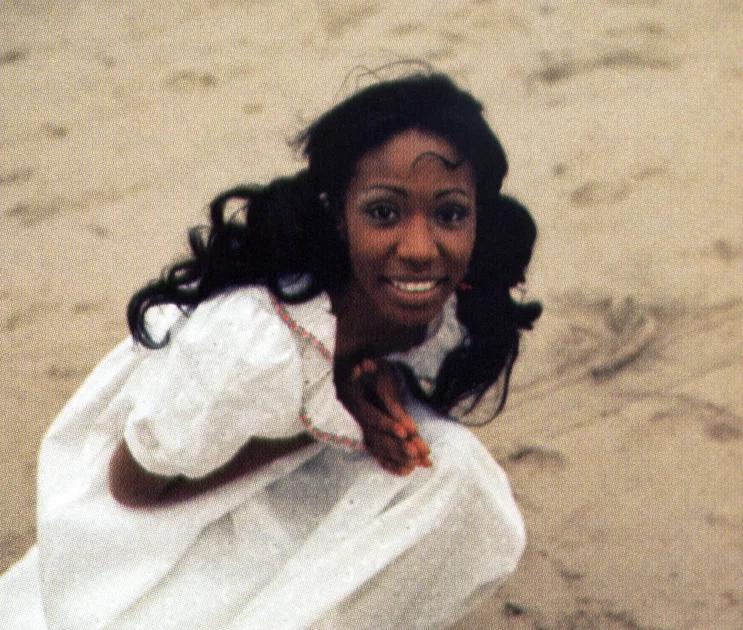
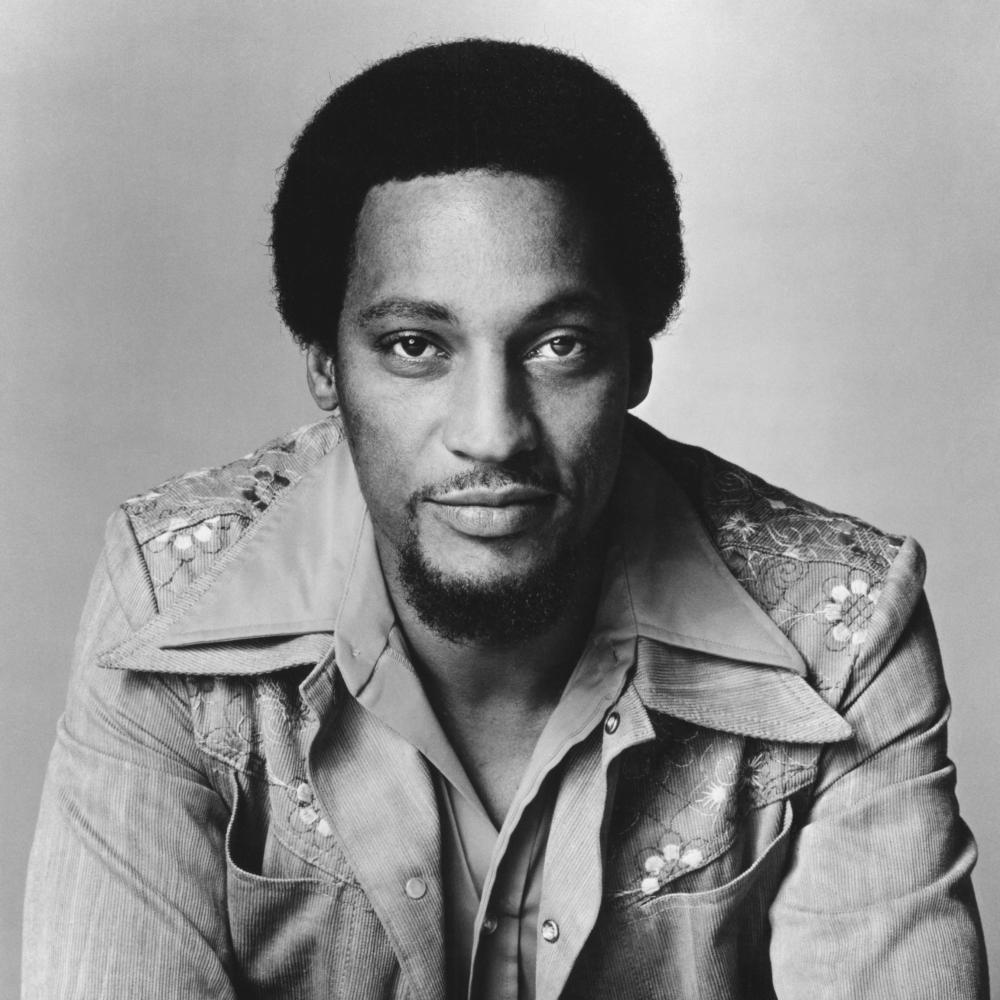
Johnny Bristol’s Spotify BioThough born in Morganton, NC, vocalist, composer, and producer Johnny Bristol began his career in Detroit and was a longtime force at Motown from 1961 to 1973. Bristol teamed with Jackey Beavers doing duets for Gwen Gordy's Tri-Phi label in Detroit during the early '60s. They cut the original version of "Someday We'll Be Together," which was remade by Diana Ross & the Supremes in 1969. Bristol was the session's producer, and also the male voice doing harmony.
Bristol was professionally and personally part of Motown, as he married Iris Gordy, and was also Harvey Fuqua's writing and production partner for several years. They co-produced Junior Walker & the All-Stars' remake of "How Sweet It Is" in 1966, then co-wrote and produced "What Does It Take." Bristol wrote and/or produced songs for Diana Ross, Marvin Gaye and Tammi Terrell, Smokey Robinson, David Ruffin, Edwin Starr, Michael Jackson, Gladys Knight & the Pips, Martha Reeves, Jimmy Ruffin, the Spinners, the Four Tops, and Stevie… Wonder. "Ain't No Mountain High Enough," "25 Miles," "Help Me Make It Through The Night," "I Don't Want to Do Wrong," and "Yester-Me, Yester-You, Yesterday" were some of the songs featuring Bristol's input. He signed with MGM as a solo artist in 1974. His first single, "Hang on In There Baby," was his biggest; it was number two R&B and number-eight pop that year. Bristol enjoyed two more sizable hits for MGM, "You and I" and "Leave My World" in 1974 and 1975.
He moved to Atlantic in 1976, and scored his last hit with "Do It to My Mind," a number-five R&B record. The Osmonds also had a number one record in England with Bristol's "Love Me for a Reason." Bristol remade "Hang on In There Baby" as a duet with Alton McClain for Polydor in 1980, and did another duet with Amii Stewart titled "My Guy/My Girl" for Handshake. He recorded for England's Motorcity label, and scored a British hit with "Man Up in the Sky" in 1989. His last entry was "Come to Me" for Whichway in 1991. Bristol was also productive as a writer and producer in the '70s and '80s; Tavares, Buddy Miles, Tamiko Jones, Real Thing, O.C. Smith, and Margie Joseph recorded his compositions in the '70s, and Bristol produced a Four Tops remake of "I'm Ready for Love" in 1985, briefly returning to Motown. The veteran songwriter and producer passed away in March of 2004 at the age of 65. ~ Ron Wynn, Rovi
Viberate is a music analytics platform built for A&Rs, artist managers, labels, booking agents, marketers, and artists.
It helps music professionals track artist growth, analyze audience data, monitor playlist activity, compare artists, follow song performance, and identify opportunities across the music market.
Public artist pages provide a free preview of selected artist data. Paid plans provide access to deeper analytics, historical data, charts, comparisons, playlist tools, exports, alerts, reports, and additional professional features.
Yes. Public Viberate artist pages provide selected artist analytics and music data for free.
Viberate also offers a 7-day free trial of the full platform. A credit card is required to start the trial. The trial includes access to the complete product so users can test deeper artist analytics, historical views, playlist insights, comparisons, charts, exports, alerts, and reporting features before choosing a paid plan.
Viberate provides artist analytics across streaming, playlists, social media, video, radio airplay, songs, and audience markets.
Users can analyze Spotify performance, Spotify and Apple Music playlists, YouTube activity, TikTok and Instagram growth, radio spins, song performance, audience locations, demographics, rankings, and overall artist momentum.
Artist profiles also connect to music charts, similar artists, and comparison tools, helping users benchmark performance and evaluate artists in context.
Viberate updates key artist and track data daily.
For followed artists and tracks, selected data is refreshed multiple times per day. This helps teams monitor playlist changes, streaming movement, audience growth, releases, and campaign performance with more current data.
Update frequency can vary depending on the metric and data source.
Yes. Viberate lets users compare up to five artists side by side across streaming, social media, audience, and engagement metrics.
Users can compare fanbase growth, audience demographics, locations, Spotify performance, social metrics, and other artist data over selected time periods.
Artist comparison can be used for A&R scouting, benchmarking, booking decisions, campaign planning, and evaluating artists with similar audiences or market positions.