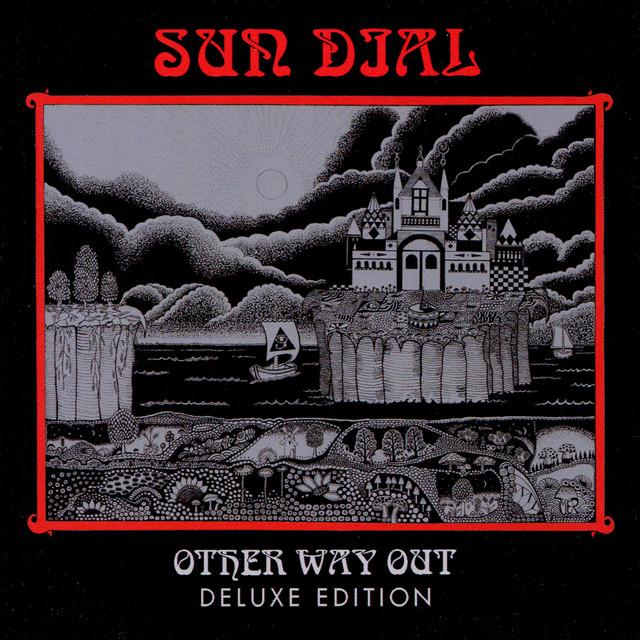
Sun Dial

Rock
Psychedelic Rock
Space Rock
 Viberate Rank: 304453
 Viberate Rank: 304453
 Monthly ListenersFollowers
 Subscribers
 Followers
 Followers
 FansTop Spotify Songs
| Track | 7-Day Streams | |
|---|---|---|
1 | 103 | |
2 | 62 | |
3 | 60 | |
4 | 52 | |
5 | 39 |
Top YouTube VideosMonthly ListenersFeatured in Playlists| Playlist | Followers | |
|---|---|---|
1 |  obscure 90s-2010s shoegaze pdawg | 6.54K |
2 |  Off Your Face anton newcombe | 5.86K |
3 |  Shoegaze of the 80s and 90s: Still In A Dream Cherry Red Records | 5.70K |
4 |  Reverberation Radio Allah-Las | 5.56K |
5 |  Office Space Efficient Space | 2.88K |
Audience| City | Monthly Listeners | |
|---|---|---|
1 | | 34 |
2 |  | 23 |
3 |  | 17 |
4 | | 16 |
5 | | 15 |
See full performance history, audience data, playlist activity, rankings, comparisons, and more in Viberate music analytics. Start with a free trial, then continue with a paid plan.
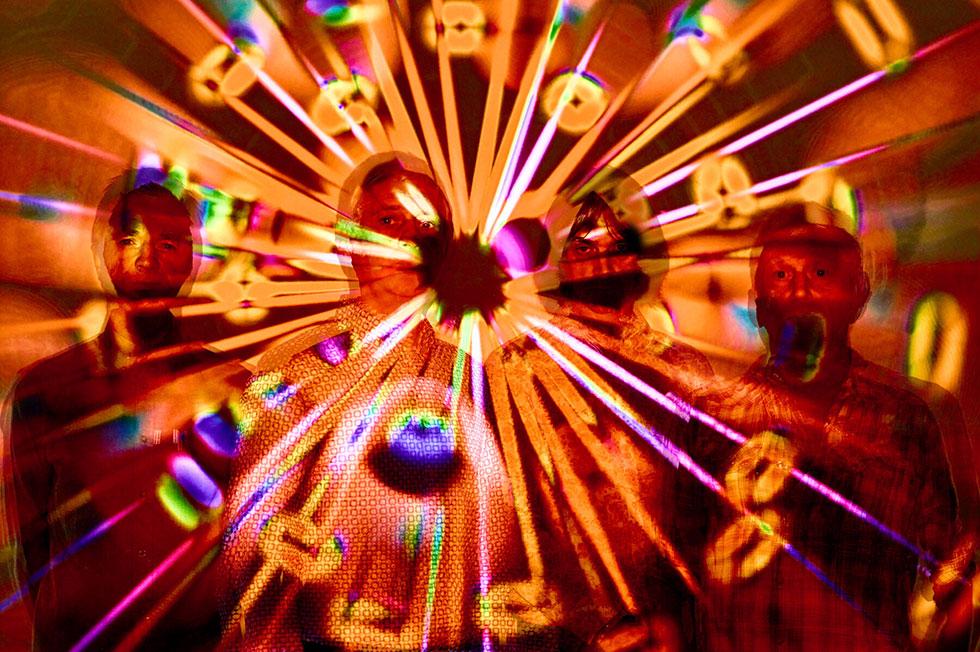
Sun Dial’s Spotify BioBeginning with their well-received 1990 debut album, Other Way Out, Sun Dial has recreated the psychedelic sound of the late '60s with an unnerving accuracy. The band possesses a myriad of soaring vocals (and trippy lyrics to match), progressive chord changes, and some delightful acid rock guitar (plus other strange instruments).
From south London, Sun Dial's roots lay with frontman Gary Ramon (guitar, vocals), previously with the Modern Art, who joined up with Anthony Clough (bass, bamboo flutes, organ) and Dave Morgan (drums, percussion). Alongside a reissue/repackage of Other Way Out, UFO released its most upfront moment, "Exploding in Your Mind." Morgan was then replaced by John Pelech, and Nigel Carpenter (bass) and Chris Dalley (guitar) were added to the line-up, while Clough took a smaller role; this was felt on the new single "Fireball," which forged a mellower, more traditional rock sound. Clough left to attend university before the release of Reflecter, which confirmed the… band's new musical direction. Libertine saw better distribution through the auspices of Beggars Banquet Records, with new drummer and keyboard player Craig Adrienne helping broaden the band's sound. Ramon, Adrienne and Jake Honeywell (bass, percussion) recorded a second album for Beggars Banquet, Acid Yantra. The album, its title inspired by a D.A. Levey poem, was rabidly consumed by the band's loyal fan community as usual, and attracted some positive mainstream critical praise. The band continued recording during the 2010s, and also issued various compilations or archival releases, including Shards of God, Processed for DNA: Anthology 1990-2010, and Return Journey: The Lost Second Album Session 1991. Ramon has also run his own labels, Acme (specialising in psych rock) and Psi-Fi (specialising in Krautrock curiosities).
Viberate is a music analytics platform built for A&Rs, artist managers, labels, booking agents, marketers, and artists.
It helps music professionals track artist growth, analyze audience data, monitor playlist activity, compare artists, follow song performance, and identify opportunities across the music market.
Public artist pages provide a free preview of selected artist data. Paid plans provide access to deeper analytics, historical data, charts, comparisons, playlist tools, exports, alerts, reports, and additional professional features.
Yes. Public Viberate artist pages provide selected artist analytics and music data for free.
Viberate also offers a 7-day free trial of the full platform. A credit card is required to start the trial. The trial includes access to the complete product so users can test deeper artist analytics, historical views, playlist insights, comparisons, charts, exports, alerts, and reporting features before choosing a paid plan.
Viberate provides artist analytics across streaming, playlists, social media, video, radio airplay, songs, and audience markets.
Users can analyze Spotify performance, Spotify and Apple Music playlists, YouTube activity, TikTok and Instagram growth, radio spins, song performance, audience locations, demographics, rankings, and overall artist momentum.
Artist profiles also connect to music charts, similar artists, and comparison tools, helping users benchmark performance and evaluate artists in context.
Viberate updates key artist and track data daily.
For followed artists and tracks, selected data is refreshed multiple times per day. This helps teams monitor playlist changes, streaming movement, audience growth, releases, and campaign performance with more current data.
Update frequency can vary depending on the metric and data source.
Yes. Viberate lets users compare up to five artists side by side across streaming, social media, audience, and engagement metrics.
Users can compare fanbase growth, audience demographics, locations, Spotify performance, social metrics, and other artist data over selected time periods.
Artist comparison can be used for A&R scouting, benchmarking, booking decisions, campaign planning, and evaluating artists with similar audiences or market positions.