Loop

Rock
Alternative Rock
Shoegaze
 Viberate Rank: 186067
 Viberate Rank: 186067
 Monthly ListenersFollowers
 Subscribers
 Followers
 Followers
 FansTop Spotify Songs
| Track | 7-Day Streams | |
|---|---|---|
1 | 857 | |
2 | 857 | |
3 | 352 | |
4 | 265 | |
5 | 216 |
Top YouTube VideosMonthly ListenersFeatured in Playlists| Playlist | Followers | |
|---|---|---|
1 |  Shoegaze Classics Spotify | 708.02K |
2 |  shoegaze essentials Heloísa | 33.14K |
3 | shoedream mmastodonn | 23.43K |
4 | Lee Moore | 16.03K |
5 |  FLAG RADIO Cornelius 2024-2026 α-STATION FM KYOTO | 9.15K |
Audience| City | Monthly Listeners | |
|---|---|---|
1 | | 231 |
2 |  | 93 |
3 |  | 83 |
4 | | 78 |
5 | | 77 |
See full performance history, audience data, playlist activity, rankings, comparisons, and more in Viberate music analytics. Start with a free trial, then continue with a paid plan.
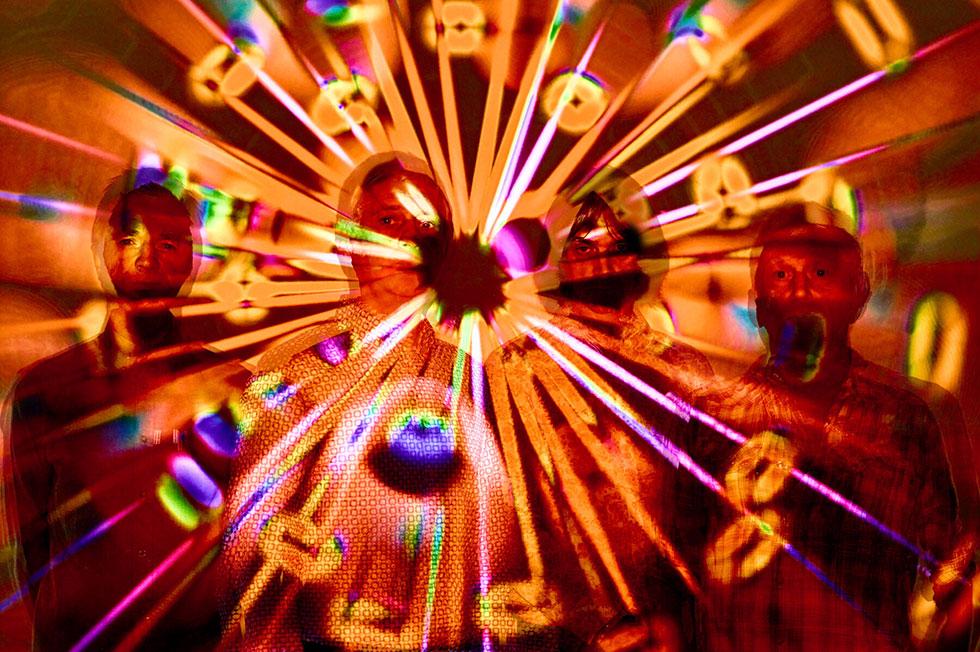
Loop’s Spotify BioDiscordant, elusive, and utterly hypnotic, Loop conjured a dark, trance-like spell that contrasted sharply with the prevailing British pop music trends of their time. Touching upon the likes of the Stooges and Can in their sonic template, they resurrected the concept of space rock for a new era in tandem with fellow travelers Spacemen 3, creating droning soundscapes of bleak beauty and harsh dissonance. Their initial run lasted only a few years during the late '80s and the start of the '90s, but the three albums Loop created in that brief window drew fascination and excitement from listeners for years to come. Shortly after a 2013 reunion of the original lineup, a reconfigured version of the band began playing live, and in 2022 they released Sonancy, the first Loop album in 32 years.
Loop were formed in London in 1986 by vocalist/guitarist Robert Hampson, who at the time of the group's inception claimed to know only four chords. With wife Bex (Becky Stewart) on drums and Glen Ray on… bass, they debuted with the single "16 Dreams," its raw, feedback-powered sound offering clear evidence of a serious garage fixation. New drummer John Wills was signed on a short time later, with his arrival heralding a more primal rhythmic foundation. The reconfigured Loop then issued their 1987 full-length debut, Heaven's End, winning acclaim for its densely distorted sound.
The World in Your Eyes, a collection of singles and B-sides, appeared in 1987. After signing to the Chapter 22 label and welcoming new bassist Neil MacKay to the lineup, Loop resurfaced in 1988 with the 12" Collision. In November of that same year, they also released their second full-length, the excellent Fade Out. Over a year passed before they returned to action with the Arc-Lite single, now sporting not only another new label, Situation 2, but also a second guitarist, Scott Dawson. After issuing their third and finest studio LP, 1990's A Gilded Eternity, Loop disbanded. A series of posthumous releases, among them the live Dual and the BBC sessions collection Wolf Flow, soon followed. In the wake of the band's demise, its four members split into two camps -- while MacKay and Wills reunited in the Hair & Skin Trading Company, Hampson and Dawson went on to form the highly experimental Main.
Loop's catalog slid out of print during the '90s, but it was comprehensively reissued on the band's Reactor label in 2008. Five years later, the group -- Hampson, Wills, MacKay, and Dawson -- reconvened for touring and co-curated the lineup for the "End of an Era, Pt. 2" portion of the All Tomorrow's Parties Festival at Camber Sands in East Sussex, England. Dates followed throughout May 2014, when the band performed in Barcelona at another festival, Primavera Sound. Later that year, Hampson assembled a new lineup that featured guitarist Dan Boyd, bassist Hugo Morgan, and drummer Wayne Maskel. Through ATP, the label offshoot of All Tomorrow's Parties, the band issued new recordings, beginning with Array 1 in June 2015. The release coincided with a handful of live dates, including several in the U.K. and one in Iceland. In 2018, Loop played London's Meltdown Festival as part of a lineup curated by the Cure's Robert Smith; that year's lineup also included Mogwai, My Bloody Valentine, Nine Inch Nails, and many, many others. In 2022, Loop released their fourth full-length album and first in over three decades, Sonancy. The album expanded on Loop's heavy minimalism with Hampson and company exploring their sound, at times from a post-punk angle. ~ Jason Ankeny, Rovi
Viberate is a music analytics platform built for A&Rs, artist managers, labels, booking agents, marketers, and artists.
It helps music professionals track artist growth, analyze audience data, monitor playlist activity, compare artists, follow song performance, and identify opportunities across the music market.
Public artist pages provide a free preview of selected artist data. Paid plans provide access to deeper analytics, historical data, charts, comparisons, playlist tools, exports, alerts, reports, and additional professional features.
Yes. Public Viberate artist pages provide selected artist analytics and music data for free.
Viberate also offers a 7-day free trial of the full platform. A credit card is required to start the trial. The trial includes access to the complete product so users can test deeper artist analytics, historical views, playlist insights, comparisons, charts, exports, alerts, and reporting features before choosing a paid plan.
Viberate provides artist analytics across streaming, playlists, social media, video, radio airplay, songs, and audience markets.
Users can analyze Spotify performance, Spotify and Apple Music playlists, YouTube activity, TikTok and Instagram growth, radio spins, song performance, audience locations, demographics, rankings, and overall artist momentum.
Artist profiles also connect to music charts, similar artists, and comparison tools, helping users benchmark performance and evaluate artists in context.
Viberate updates key artist and track data daily.
For followed artists and tracks, selected data is refreshed multiple times per day. This helps teams monitor playlist changes, streaming movement, audience growth, releases, and campaign performance with more current data.
Update frequency can vary depending on the metric and data source.
Yes. Viberate lets users compare up to five artists side by side across streaming, social media, audience, and engagement metrics.
Users can compare fanbase growth, audience demographics, locations, Spotify performance, social metrics, and other artist data over selected time periods.
Artist comparison can be used for A&R scouting, benchmarking, booking decisions, campaign planning, and evaluating artists with similar audiences or market positions.